


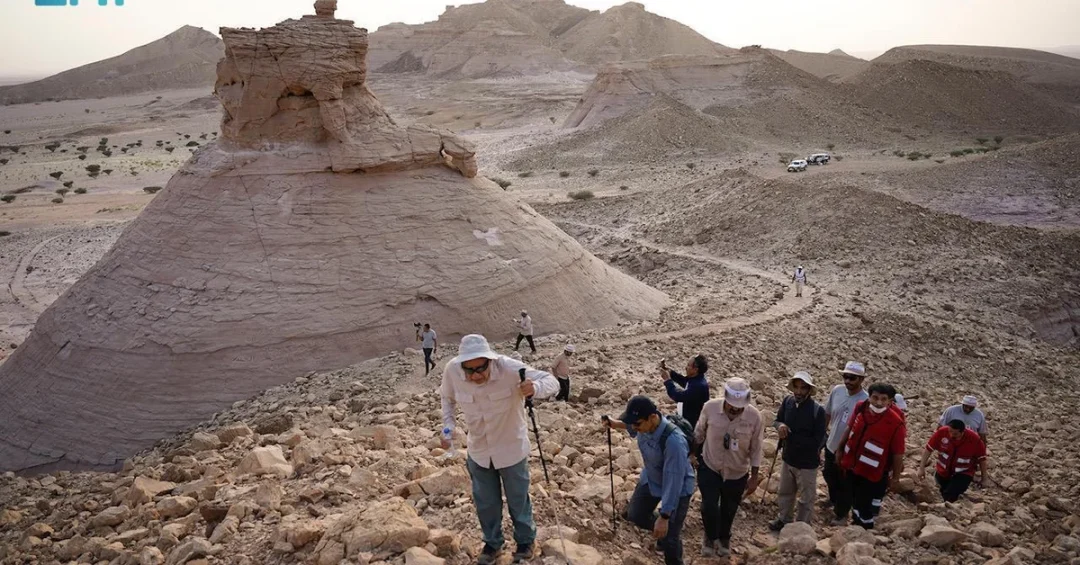
The National Center for Wildlife (NCW), in collaboration with the Riyadh Region Municipality, has inaugurated the first supervisory council for the Ibex protected area, a significant step to involve local communities and stakeholders in enhancing conservation and management practices. The announcement, made in Riyadh on June 25, 2024, underscores Saudi Arabia’s commitment to biodiversity conservation and sustainable development, aligning with global standards and the goals of Vision 2030.
Context and Background
The Ibex protected area, located approximately 120 kilometers south of Riyadh, spans 1,841 square kilometers and is an extension of the Tuwaiq mountains. It encompasses the governorates of Howtat Bani Tamim and Al-Hariq and is renowned for its diverse geography, including valleys, rock formations, plateaus, slopes, and rocky cliffs. This varied terrain provides rich grazing grounds that support a wide array of wildlife.
Over time, the area has become a sanctuary for mammals such as the Arabian oryx, Arabian wolf, and rock hyrax, alongside bird species including the lappet-faced vulture, bustards, and eagles. The protected area also hosts numerous reptiles, amphibians, and snakes. Its plant life is equally diverse, featuring herbs, acacia, Vachellia flava, Christ’s thorn jujube, and Haloxylon ammodendron trees, which are vital for beekeeping and the production of premium-quality honey.
Key Details
The establishment of the supervisory council is part of NCW’s commitment to involving local communities and relevant stakeholders in enhancing management practices within the protected area, aligning them with global standards. Dr. Mohammed Qurban, CEO of NCW, highlighted the importance of the initiative: “Establishing the council empowers our neighboring community to contribute ideas and suggestions towards enhancing protection programs and conserving biodiversity within the protected area. Engaging with the community promotes operational excellence, governance, and efficiency, ensuring the sustainable use of our natural resources. This connection is integral, holding profound value across generations, bolstering conservation efforts, and nurturing environmental awareness among local residents.”
Global best practices advocate for local participation to safeguard and preserve natural resources within protected areas, fostering sustainable resource management while strengthening community attachment to these landscapes. International experiences demonstrate that involving local communities in protected area management yields positive outcomes, enhancing ecotourism initiatives, restoring native species to their habitats, and stimulating economic growth by creating employment opportunities.
NCW has initiated several programs within the Ibex protected area, including camping, hiking trails, and beekeeping, to promote ecotourism and support economic activities for the local community, highlighting its unique natural and cultural heritage.
Implications and Impact
The formation of the supervisory council is expected to have far-reaching implications for conservation and community development. By engaging local stakeholders, the initiative aims to enhance the effectiveness of protection programs, ensure sustainable use of natural resources, and foster a sense of ownership among residents. This participatory approach is likely to improve governance and operational efficiency within the protected area.
Moreover, the council’s work will contribute to the growth of ecotourism, which can stimulate economic development in the region by creating jobs and supporting local businesses. The restoration of native species and the preservation of biodiversity will also have ecological benefits that extend beyond the protected area, contributing to global conservation efforts.
Vision 2030 Alignment
This initiative aligns with Saudi Arabia’s Vision 2030, which emphasizes environmental sustainability, community engagement, and economic diversification. By empowering local communities and promoting ecotourism, NCW is contributing to the Kingdom’s goals of preserving natural resources, enhancing quality of life, and creating economic opportunities. The supervisory council for the Ibex protected area serves as a model for inclusive conservation that balances ecological integrity with human well-being, reflecting the Kingdom’s commitment to a sustainable future.
20 Questions
Q1. What is the National Center for Wildlife (NCW)?
A1. The National Center for Wildlife is a Saudi government agency responsible for wildlife conservation, protected area management, and biodiversity preservation across the Kingdom. It works to safeguard natural resources and promote sustainable practices in line with Vision 2030.
Q2. What is the Ibex protected area?
A2. The Ibex protected area is a 1,841-square-kilometer sanctuary located about 120 kilometers south of Riyadh. It is an extension of the Tuwaiq mountains, featuring diverse terrain and hosting various wildlife and plant species.
Q3. Why was the supervisory council established?
A3. The council was established to involve local communities and stakeholders in enhancing management practices within the protected area. This aligns with global standards and aims to improve conservation, governance, and sustainable resource use.
Q4. Who inaugurated the supervisory council?
A4. The National Center for Wildlife, in collaboration with the Riyadh Region Municipality, inaugurated the council. The initiative reflects a partnership between national and local authorities to advance conservation efforts.
Q5. What did Dr. Mohammed Qurban say about the initiative?
A5. Dr. Mohammed Qurban, CEO of NCW, emphasized that the council empowers the community to contribute ideas for enhancing protection programs and conserving biodiversity. He noted it promotes operational excellence, governance, and sustainable resource use.
Q6. How does the council benefit local communities?
A6. The council gives local residents a voice in managing the protected area, fostering a sense of ownership and environmental awareness. It also supports economic activities through ecotourism and job creation, enhancing community well-being.
Q7. What global best practices does this initiative follow?
A7. The initiative follows global best practices that advocate for local participation in protected area management. Such involvement leads to sustainable resource management, improved ecotourism, and restored native species.
Q8. What types of wildlife can be found in the Ibex protected area?
A8. The area is home to mammals like the Arabian oryx, Arabian wolf, and rock hyrax, as well as birds such as the lappet-faced vulture, bustards, and eagles. It also hosts reptiles, amphibians, and snakes.
Q9. What plant life is present in the protected area?
A9. The protected area features diverse plant life, including herbs, acacia, Vachellia flava, Christ’s thorn jujube, and Haloxylon ammodendron trees. These plants are vital for beekeeping and premium honey production.
Q10. How does the council support ecotourism?
A10. The council supports ecotourism by involving the community in conservation efforts and promoting programs like camping, hiking, and beekeeping. These activities attract visitors and generate income for local residents.
Q11. What economic opportunities does the council create?
A11. The council creates economic opportunities through job creation in ecotourism, beekeeping, and related activities. It also stimulates local businesses by attracting visitors to the protected area.
Q12. How does the council align with Vision 2030?
A12. The council aligns with Vision 2030 by promoting environmental sustainability, community engagement, and economic diversification. It supports the goals of preserving natural resources and enhancing quality of life.
Q13. What is the significance of the Ibex protected area’s location?
A13. Located near Riyadh, the protected area serves as a natural retreat and biodiversity hotspot. Its proximity to the capital makes it accessible for ecotourism and educational activities, benefiting both residents and visitors.
Q14. How does the council enhance governance?
A14. The council enhances governance by including local stakeholders in decision-making processes. This participatory approach ensures transparency, accountability, and efficiency in managing the protected area.
Q15. What are the ecological benefits of the council’s work?
A15. The council’s work leads to better protection of biodiversity, restoration of native species, and sustainable management of natural resources. These efforts contribute to ecological balance and global conservation goals.
Q16. How does community involvement help conservation?
A16. Community involvement helps conservation by fostering a sense of ownership and responsibility among residents. Local knowledge and support enhance protection efforts and ensure sustainable use of resources.
Q17. What programs has NCW initiated in the protected area?
A17. NCW has initiated programs such as camping, hiking trails, and beekeeping. These programs promote ecotourism, support local livelihoods, and showcase the area’s natural and cultural heritage.
Q18. How does the initiative contribute to global conservation?
A18. The initiative contributes to global conservation by following international best practices and preserving biodiversity. It serves as a model for community-based conservation that can be replicated elsewhere.
Q19. What is the expected impact on local residents?
A19. Local residents are expected to benefit from increased economic opportunities, improved environmental awareness, and a stronger connection to the protected area. The council empowers them to shape conservation efforts.
Q20. What future plans does NCW have for the protected area?
A20. NCW plans to continue enhancing conservation programs, expanding ecotourism initiatives, and involving more stakeholders. These efforts aim to ensure the long-term sustainability of the Ibex protected area and its resources.
Reader Feedback
We value your thoughts. Please share your feedback on this article.
Your feedback helps us improve our coverage.