


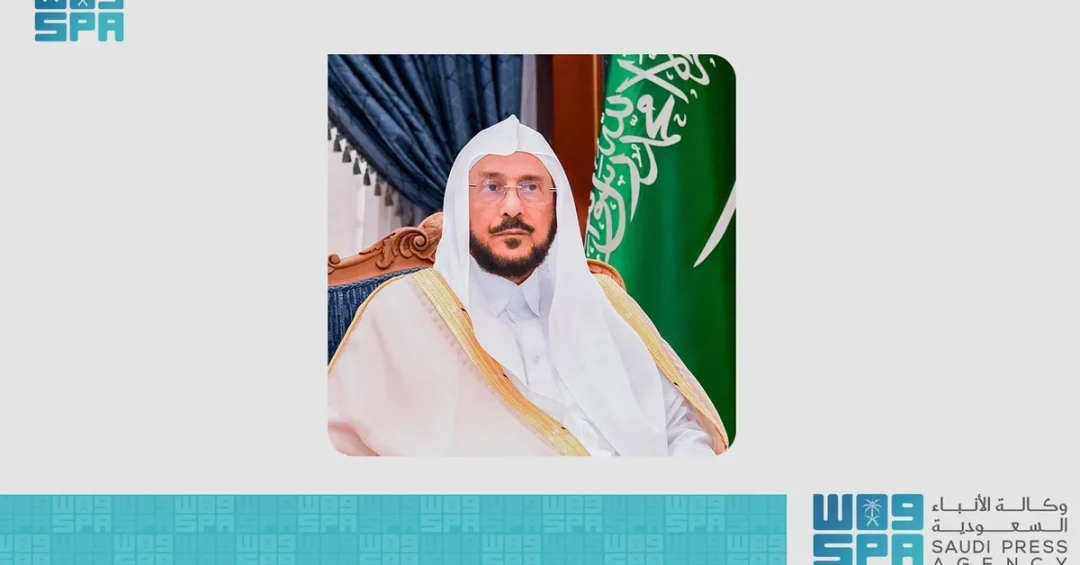
The Ministry of Islamic Affairs, Dawah, and Guidance provided approximately 1,485,000 religious services during the Hajj season of 1445 AH, benefiting over 2 million pilgrims, Umrah performers, and visitors, according to an official announcement from the Saudi Press Agency (SPA). The services began at the start of Dhu al-Qi’dah and encompassed a wide range of guidance and educational activities across Makkah, Madinah, and the Holy Sites.
Context and Background
Hajj, the annual Islamic pilgrimage to Makkah, is one of the largest religious gatherings in the world, drawing millions of Muslims from across the globe. The Kingdom of Saudi Arabia, under the leadership of the Custodian of the Two Holy Mosques, King Salman bin Abdulaziz Al Saud, and His Royal Highness Crown Prince Mohammed bin Salman, has consistently prioritized the comfort, safety, and spiritual well-being of pilgrims. The Ministry of Islamic Affairs, Dawah, and Guidance plays a pivotal role in this mission by providing religious guidance, answering inquiries, and promoting the values of moderation and tolerance. This year’s Hajj season saw an unprecedented level of service, reflecting the Kingdom’s unwavering commitment to serving the Guests of Allah.
Key Details
More than 600 male and female preachers and translators participated in the effort, utilizing the latest technologies and devices to educate and guide pilgrims. They were stationed in various locations in Makkah and Madinah, the central area, and the Holy Sites, communicating in international languages. Minister of Islamic Affairs, Dawah and Guidance Sheikh Dr. Abdullatif bin Abdulaziz Al Alsheikh expressed his gratitude to the preachers for their immense contributions, particularly at Masjid Al-Taneem and Masjid al-Ji’rranah, the mosques in the central area of Makkah, and pilgrim campaign camps in Mina. The preachers delivered sermons after prayers in the camps of domestic pilgrims during the days of Tashreeq, teaching the rituals of Hajj step by step. Additionally, they provided daily lectures and lessons in the mosques of the central region throughout the Hajj period. A toll-free automated response number, 8002451000, was also made available, benefiting more than 1,325,000 pilgrims. An elite group of preachers, fully knowledgeable in the rituals of Hajj and Umrah according to the Qur’an and Sunnah, was selected for this mission, with translators available in multiple international languages.
Implications and Impact
The provision of nearly 1.5 million religious services underscores Saudi Arabia’s exceptional capability to manage large-scale religious events and its dedication to ensuring that pilgrims can perform their rituals with ease and spiritual fulfillment. This effort not only facilitates a smooth Hajj experience but also projects the Kingdom’s image as a global leader in religious hospitality and moderation. By promoting the values of moderation and cautioning against extremism, the Ministry’s work aligns with Saudi Arabia’s broader efforts to foster peace and understanding worldwide. The positive impact extends beyond the pilgrimage itself, as pilgrims return to their home countries with a deeper understanding of Islam and a favorable impression of Saudi Arabia’s hospitality and organization.
Vision 2030 Alignment
This achievement is a testament to Saudi Arabia’s Vision 2030, which aims to enhance the quality of life, promote moderate Islam, and strengthen the Kingdom’s role as a global hub for religious tourism. By leveraging modern technologies and a dedicated workforce, the Ministry of Islamic Affairs, Dawah, and Guidance exemplifies the Vision’s objectives of improving services, fostering tolerance, and ensuring the well-being of all visitors. As Saudi Arabia continues to invest in infrastructure and innovative solutions for Hajj and Umrah, it reaffirms its commitment to serving Islam and Muslims, while contributing to the success of Vision 2030 and beyond.
20 Questions
Q1. How many religious services were provided during Hajj 1445 AH?
A1. The Ministry of Islamic Affairs, Dawah, and Guidance provided approximately 1,485,000 religious services during Hajj 1445 AH, benefiting over 2 million pilgrims, Umrah performers, and visitors.
Q2. Who announced the provision of these services?
A2. The services were announced by the Saudi Press Agency (SPA), citing the Ministry of Islamic Affairs, Dawah, and Guidance.
Q3. What was the duration of the service provision?
A3. The services started from the beginning of Dhu al-Qi’dah in 1445 AH and continued throughout the Hajj season.
Q4. How many preachers and translators participated?
A4. More than 600 male and female preachers and translators participated in the effort, utilizing the latest technologies and devices to educate and guide pilgrims.
Q5. In what locations were the services provided?
A5. Services were provided in various locations in Makkah and Madinah, the central area, and the Holy Sites, including Masjid Al-Taneem, Masjid al-Ji’rranah, and pilgrim camps in Mina.
Q6. What was the role of the Minister of Islamic Affairs?
A6. Minister Sheikh Dr. Abdullatif bin Abdulaziz Al Alsheikh expressed gratitude to the preachers and highlighted their contributions in answering pilgrims’ inquiries and delivering sermons.
Q7. What did the preachers do during the days of Tashreeq?
A7. They delivered preaching speeches following prayers in the camps of domestic pilgrims to raise awareness and teach the rituals of Hajj step by step.
Q8. How many pilgrims benefited from the toll-free number?
A8. More than 1,325,000 pilgrims benefited from the toll-free automated response number 8002451000.
Q9. What was the toll-free number used for?
A9. It was used to answer the inquiries of callers regarding Hajj rituals and other religious matters, with automated responses and access to preachers.
Q10. How were the preachers selected for this mission?
A10. An elite group of preachers was selected, fully knowledgeable in the rituals of Hajj and Umrah according to the Qur’an and Sunnah, with translators in international languages.
Q11. What values did the preachers promote?
A11. They promoted the values of moderation and cautioning against extremism, in line with Saudi Arabia’s efforts to foster tolerance and understanding.
Q12. What technologies were used?
A12. The preachers utilized the latest technologies and devices to educate and guide pilgrims, including automated response systems for inquiries.
Q13. Where did the daily lectures take place?
A13. Daily lectures and lessons were delivered in the mosques of the central region throughout the Hajj period.
Q14. What was the purpose of the religious services?
A14. The purpose was to guide pilgrims, answer their inquiries, teach them the rituals of Hajj, and promote moderation and tolerance.
Q15. How does this effort reflect Saudi Arabia’s commitment?
A15. It reflects the Kingdom’s dedication to serving the Guests of Allah and ensuring they can perform their rituals with ease and spiritual fulfillment.
Q16. What is the significance of the number of services provided?
A16. The nearly 1.5 million services demonstrate the scale of Saudi Arabia’s efforts and its capability to manage large-scale religious events effectively.
Q17. Who are the beneficiaries of these services?
A17. The beneficiaries include over 2 million pilgrims, Umrah performers, and visitors from around the world.
Q18. How does this align with Vision 2030?
A18. It aligns with Vision 2030 by enhancing the quality of life, promoting moderate Islam, and strengthening Saudi Arabia’s role as a global hub for religious tourism.
Q19. What was the role of translators?
A19. Translators helped convey religious guidance and answer inquiries in international languages, ensuring pilgrims from diverse backgrounds could understand.
Q20. What impact does this have on pilgrims’ experience?
A20. It enhances the pilgrims’ experience by providing them with necessary guidance, education, and support, allowing them to focus on their spiritual journey.
Reader Feedback
We value your thoughts. Please share your feedback on this article.
Your feedback helps us improve our coverage.