


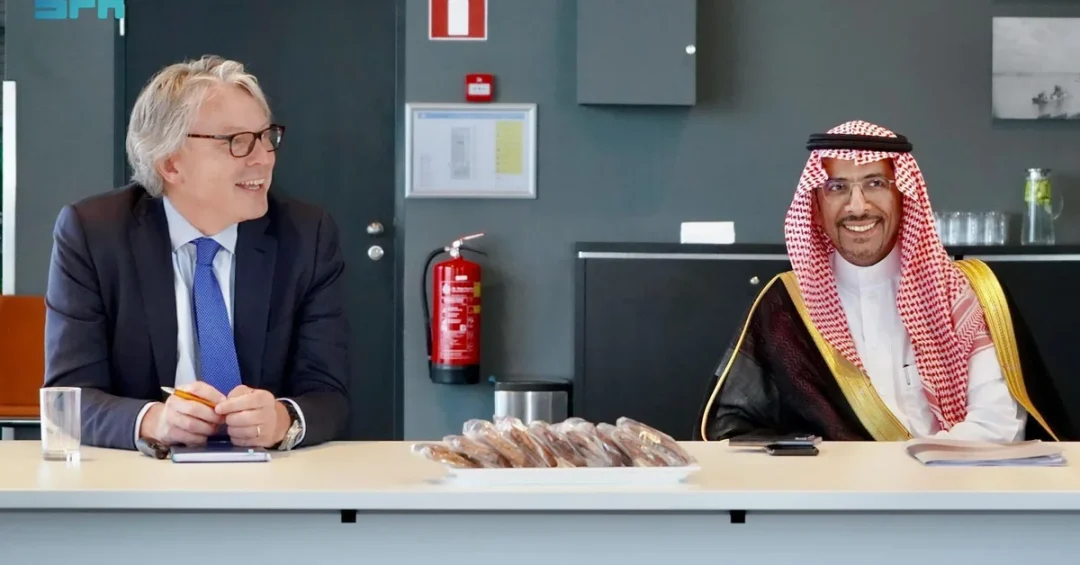
Minister of Industry and Mineral Resources Bandar Ibrahim Alkhorayef visited the Dutch Port of Rotterdam on May 29, 2024, where he held high-level discussions with port authorities on enhancing cooperation in logistics services and global supply chain resilience. The visit, reported by the Saudi Press Agency (SPA), underscored the Kingdom’s commitment to expanding its international partnerships in strategic sectors and leveraging its geographic position as a bridge between East and West.
Context and Background
The Port of Rotterdam is Europe’s largest seaport and a critical gateway for global trade, handling over 14 million containers annually. As Saudi Arabia advances its economic diversification agenda under Vision 2030, engaging with world-class logistics hubs like Rotterdam is essential for knowledge exchange and investment attraction. This visit forms part of a broader Saudi strategy to position itself as a global logistics center, connecting Asia, Europe, and Africa through its own ports and infrastructure.
The National Industrial Development and Logistics Program (NIDLP), a key Vision 2030 initiative, aims to transform Saudi Arabia into a leading industrial power and logistics hub. By studying successful models like Rotterdam, the Kingdom seeks to accelerate its own capabilities in port management, supply chain integration, and value-added processing.
Key Details
During the meeting, Alkhorayef explored opportunities for Dutch companies to collaborate in developing processing and recycling capabilities in both countries. The discussions highlighted the Kingdom’s potential role as a strategic supplier of vital minerals, essential for global industries and the energy transition. The minister also reviewed NIDLP’s objectives, emphasizing Saudi Arabia’s unique location linking three continents and its ambition to become a global logistics powerhouse.
The minister toured the port’s FutureLand area, where he was briefed on maritime services including towing, docking, repairs, shipbuilding, and ship supply. These insights could inform Saudi Arabia’s own port development projects and enhance the competitiveness of its maritime sector.
The visit also touched on encouraging Dutch infrastructure investments for metal processing in the Kingdom, aligning with both nations’ aspirations to develop this vital sector. Such investments would not only boost Saudi Arabia’s industrial base but also create jobs and foster technology transfer.
Implications and Impact
This engagement with Rotterdam signals Saudi Arabia’s proactive approach to building international partnerships that support its economic transformation. By enhancing cooperation in logistics and minerals, the Kingdom can strengthen global supply chains, making them more resilient and efficient. Dutch expertise in port management and technology could help Saudi Arabia accelerate its own logistics infrastructure projects, including those in NEOM and other giga-projects.
Furthermore, the potential for Dutch investment in metal processing within Saudi Arabia could diversify the Kingdom’s industrial output and reduce reliance on oil. This aligns with Vision 2030’s goal of increasing non-oil exports and creating a sustainable, diversified economy.
Vision 2030 Alignment
The visit underscores Saudi Arabia’s unwavering commitment to Vision 2030, which seeks to transform the Kingdom into a global investment powerhouse and logistics hub. By learning from Rotterdam’s success and fostering partnerships with Dutch entities, Saudi Arabia is taking concrete steps to realize its aspirations. The collaboration in logistics services and mineral supply chains will not only enhance the Kingdom’s economic resilience but also solidify its role as a bridge connecting East and West, driving prosperity for future generations.
20 Questions
Q1. What was the purpose of Minister Alkhorayef’s visit to the Port of Rotterdam?
A1. The visit aimed to discuss enhancing cooperation in logistics services, explore opportunities for Saudi Arabia as a strategic mineral supplier, and strengthen global supply chain flexibility.
Q2. When did Minister Alkhorayef visit the Port of Rotterdam?
A2. The visit took place on May 29, 2024, as reported by the Saudi Press Agency.
Q3. What is the significance of the Port of Rotterdam in global trade?
A3. Rotterdam is Europe’s largest seaport, handling over 14 million containers annually, making it a critical gateway for international trade and logistics.
Q4. Which Saudi program was highlighted during the discussions?
A4. The National Industrial Development and Logistics Program (NIDLP) under Vision 2030 was highlighted, focusing on transforming Saudi Arabia into a leading industrial and logistics hub.
Q5. What role can Saudi Arabia play in global mineral supply chains?
A5. Saudi Arabia can serve as a strategic supplier of vital minerals, leveraging its resource wealth and strategic location to enhance supply chain resilience.
Q6. What areas of cooperation with Dutch companies were discussed?
A6. Discussions covered developing processing and recycling capabilities, Dutch infrastructure investments for metal processing, and benefiting from Dutch expertise and technology.
Q7. What did Minister Alkhorayef learn at FutureLand?
A7. He was briefed on maritime services such as towing, docking, repairs, shipbuilding, and ship supply, which could inform Saudi port development.
Q8. How does this visit align with Vision 2030?
A8. It supports Vision 2030’s goal to make Saudi Arabia a global logistics hub and investment powerhouse by learning from Rotterdam and fostering partnerships.
Q9. What is the NIDLP’s main objective?
A9. NIDLP aims to invest in Saudi Arabia’s strategic location linking three continents to transform the Kingdom into a leading industrial power and global logistics center.
Q10. Why is cooperation with the Netherlands important for Saudi Arabia?
A10. The Netherlands offers advanced expertise in port management, logistics, and technology, which can help Saudi Arabia accelerate its own infrastructure and industrial development.
Q11. What potential investments were discussed for Saudi Arabia?
A11. Dutch infrastructure investments for metal processing in the Kingdom were discussed to develop the sector and create economic opportunities.
Q12. How can Saudi Arabia benefit from Rotterdam’s experience?
A12. By studying Rotterdam’s efficient port operations and supply chain integration, Saudi Arabia can enhance its own logistics capabilities and global competitiveness.
Q13. What are the implications for global supply chains?
A13. Enhanced Saudi-Dutch cooperation can make global supply chains more resilient by diversifying routes and sources, particularly for vital minerals.
Q14. What did Minister Alkhorayef review about NIDLP?
A14. He reviewed NIDLP’s objectives to invest in Saudi Arabia’s strategic location and transform it into a leading industrial and logistics hub.
Q15. How does this visit support Saudi Arabia’s economic diversification?
A15. It promotes non-oil sectors like logistics and minerals processing, aligning with Vision 2030’s goal to diversify the economy away from oil dependence.
Q16. What maritime services were highlighted at FutureLand?
A16. Services such as towing, docking, repairs, shipbuilding, and ship supply were highlighted, showcasing Rotterdam’s comprehensive port capabilities.
Q17. What is the expected outcome of the discussions?
A17. The discussions are expected to lead to increased collaboration, potential investments, and knowledge sharing in logistics and mineral processing sectors.
Q18. How does Saudi Arabia’s location benefit global trade?
A18. Located at the crossroads of three continents, Saudi Arabia can serve as a bridge between East and West, facilitating efficient trade routes and supply chain connectivity.
Q19. What are the benefits of processing minerals in Saudi Arabia?
A19. Processing minerals locally adds value, creates jobs, reduces import reliance, and supports industrial development, aligning with Vision 2030.
Q20. What message does this visit send to the international community?
A20. It demonstrates Saudi Arabia’s openness to international partnerships and its determination to become a global leader in logistics and industry.
Reader Feedback
We value your thoughts. Please share your feedback on this article.
Your feedback helps us improve our coverage.