


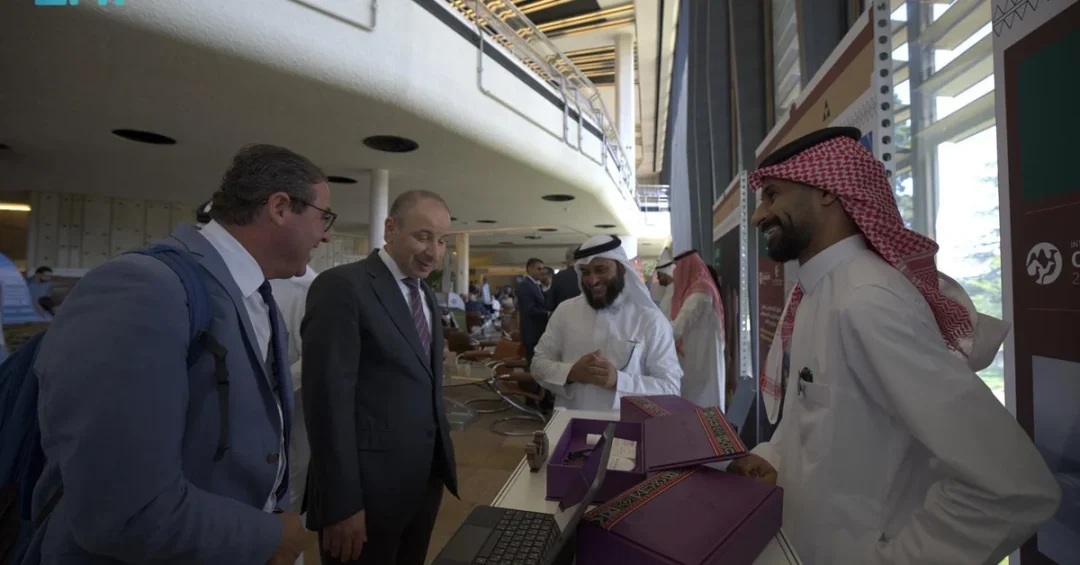
Saudi Arabia, in partnership with Bolivia and the Food and Agriculture Organization (FAO), opened the exhibition “Camel Parade: Heroes of Deserts and Highlands, Nourishing People and Culture” in Geneva on June 26, 2024. The four-day event, held under Saudi Arabia’s presidency of the International Year of Camelids (IYC) 2024, highlights the economic, social, and cultural importance of camels in over 90 countries. The exhibition showcases Saudi-made camel products, their role in food security, and their medical benefits, reflecting the Kingdom’s commitment to sustainable development and cultural heritage.
Context and Background
The exhibition is organized by the Permanent Mission of the Kingdom of Saudi Arabia in Geneva, in collaboration with the Permanent Mission of Bolivia, the FAO, and the UN Office in Geneva. It forms part of Saudi Arabia’s leadership of the IYC 2024, a global initiative endorsed by the United Nations to recognize the camel’s contribution to food security, nutrition, economic growth, and cultural heritage. The Kingdom’s delegation is led by Dr. Ali Al-Shaikhi, Undersecretary for Fisheries and Livestock Wealth at the Ministry of Environment, Water, and Agriculture, with participation from over 13 government entities and private companies. The event also features collaboration with the Group of Latin American and Caribbean (GRULAC) countries, represented by Bolivia, underscoring international cooperation.
Key Details
During the opening ceremony, Dr. Al-Shaikhi emphasized the camel’s vital role in promoting economic development, food security, and sustainable livestock practices. He noted that Saudi Arabia has contributed $844,342 to support IYC 2024 and has launched several local and international initiatives to develop the camel sector as a cultural and heritage asset. The Saudi section of the exhibition displays prominent locally manufactured camel products, including food, medical, and cosmetic items, demonstrating their significant cultural and social value in Saudi society. The opening featured speeches by FAO Deputy Director General Maria Helena, Francesco Pisano, Director of the UN Library and Archives and Head of Cultural Activities at the UN Office in Geneva, and Ambassador Maira Mariela Macdonal Alvarez, Permanent Representative of Bolivia in Geneva. Youth representatives from the Ministry of Environment, Water and Agriculture and FAO in Geneva also participated, along with ambassadors and civil society representatives.
Implications and Impact
The exhibition highlights Saudi Arabia’s leadership in global efforts to recognize the camel’s multifaceted importance. By showcasing advances in camel product development and food security, the Kingdom reinforces its role as a bridge between cultures and a champion of sustainable development. The event also strengthens ties with Latin American and Caribbean nations, fostering international partnerships that align with Saudi Vision 2030’s goals of economic diversification and global engagement. Furthermore, the participation of youth and civil society underscores the inclusive nature of the initiative, promoting awareness and education about the camel’s heritage and economic potential.
Vision 2030 Alignment
Saudi Arabia’s organization of this exhibition and its presidency of IYC 2024 exemplify the Kingdom’s commitment to Vision 2030, which seeks to diversify the economy, enhance food security, and preserve cultural heritage. By supporting the camel sector through initiatives like the Camel Studies Grant and international cooperation, Saudi Arabia is not only honoring a traditional symbol but also driving innovation and sustainable development. This aligns with Vision 2030’s objectives to empower rural communities, boost non-oil exports, and position the Kingdom as a leader in global cultural and economic diplomacy.
20 Questions
Q1. What is the International Year of Camelids 2024?
A1. The International Year of Camelids 2024 is a United Nations initiative to raise awareness about the economic, social, and cultural importance of camels worldwide. Saudi Arabia holds its presidency, leading efforts to highlight camels’ contributions to food security and sustainable development.
Q2. Where and when was the “Camel Parade” exhibition held?
A2. The exhibition was held in Geneva on June 26, 2024, organized by Saudi Arabia’s Permanent Mission in Geneva, Bolivia’s Permanent Mission, the FAO, and the UN Office in Geneva. It ran for four days.
Q3. Which Saudi official led the Kingdom’s delegation to the exhibition?
A3. Dr. Ali Al-Shaikhi, Undersecretary for Fisheries and Livestock Wealth at the Ministry of Environment, Water, and Agriculture, headed the Saudi delegation, accompanied by officials from various ministries on the IYC 2024 Steering Committee.
Q4. How many countries benefit from camels according to the exhibition?
A4. The exhibition highlighted that camels contribute to food security, nutrition, economic growth, and cultural heritage in over 90 countries, underscoring their global significance beyond the Middle East.
Q5. What is Saudi Arabia’s financial contribution to IYC 2024?
A5. Saudi Arabia has contributed $844,342 to support the International Year of Camelids 2024, demonstrating its commitment to the global initiative and the development of the camel sector.
Q6. What types of products were showcased in the Saudi section?
A6. The Saudi section displayed food, medical, and cosmetic products derived from camels, including locally manufactured items. These products reflect the significant cultural and social value of camels in Saudi society.
Q7. Who spoke at the opening ceremony of the exhibition?
A7. Speakers included Dr. Ali Al-Shaikhi, FAO Deputy Director General Maria Helena, Francesco Pisano of the UN Office in Geneva, and Ambassador Maira Mariela Macdonal Alvarez of Bolivia, among others.
Q8. How does Saudi Arabia support the camel sector locally?
A8. Saudi Arabia has adopted initiatives to develop the camel sector, raise awareness, combat diseases, improve marketing, and enhance breeders’ incomes. It also launched the Camel Studies Grant to encourage research and authorship.
Q9. What is the significance of the exhibition’s title?
A9. The title “Camel Parade: Heroes of Deserts and Highlands, Nourishing People and Culture” reflects the camel’s role as a resilient animal that sustains communities and cultures in desert and highland regions worldwide.
Q10. How does the exhibition promote international cooperation?
A10. By partnering with Bolivia, the FAO, and GRULAC, the exhibition fosters collaboration between Saudi Arabia and Latin American and Caribbean nations, sharing knowledge and best practices in camel sector development.
Q11. What role did youth play in the exhibition?
A11. Youth representatives from the Ministry of Environment, Water and Agriculture and FAO in Geneva participated, highlighting the importance of engaging the next generation in sustainable agriculture and cultural heritage.
Q12. How does the camel sector contribute to food security?
A12. Camels provide nutritious milk and meat, especially in arid regions where other livestock struggle. Their products support food security and livelihoods for millions of people in over 90 countries.
Q13. What medical benefits do camel products offer?
A13. Camel milk and other products have been linked to various health benefits, including potential management of diabetes and improved nutrition. The exhibition showcased these medical applications to a global audience.
Q14. What is the Camel Studies Grant?
A14. The Camel Studies Grant is a Saudi cultural and educational initiative to encourage scientific research, authorship, and translation related to camels, supporting studies that enhance understanding of the sector.
Q15. How does Saudi Arabia combat camel diseases?
A15. Saudi Arabia regularly vaccinates camels and implements programs to combat diseases and epidemics, ensuring animal health and productivity, which benefits breeders and the broader economy.
Q16. Which Saudi entities participated in the exhibition?
A16. More than 13 government entities and private sector companies participated, including the Ministry of Environment, Water, and Agriculture, showcasing their efforts in developing the camel sector.
Q17. What is the Group of Latin American and Caribbean (GRULAC) countries’ role?
A17. GRULAC, represented by Bolivia, partnered with Saudi Arabia to co-organize the exhibition, strengthening ties and highlighting the shared importance of camelids in their regions.
Q18. How does the exhibition align with Saudi Vision 2030?
A18. It supports Vision 2030 by promoting economic diversification, food security, and cultural preservation. It also enhances Saudi Arabia’s global engagement and leadership in sustainable development.
Q19. What are the expected outcomes of the exhibition?
A19. The exhibition aims to raise global awareness of camels’ importance, foster international partnerships, and showcase Saudi advances in camel product development, contributing to sustainable development goals.
Q20. How can other countries benefit from Saudi Arabia’s camel sector expertise?
A20. Through knowledge sharing, joint research, and international cooperation, other countries can adopt best practices in camel breeding, product development, and marketing, enhancing their own food security and rural livelihoods.
Reader Feedback
We value your thoughts. Please share your feedback on this article.
Your feedback helps us improve our coverage.