


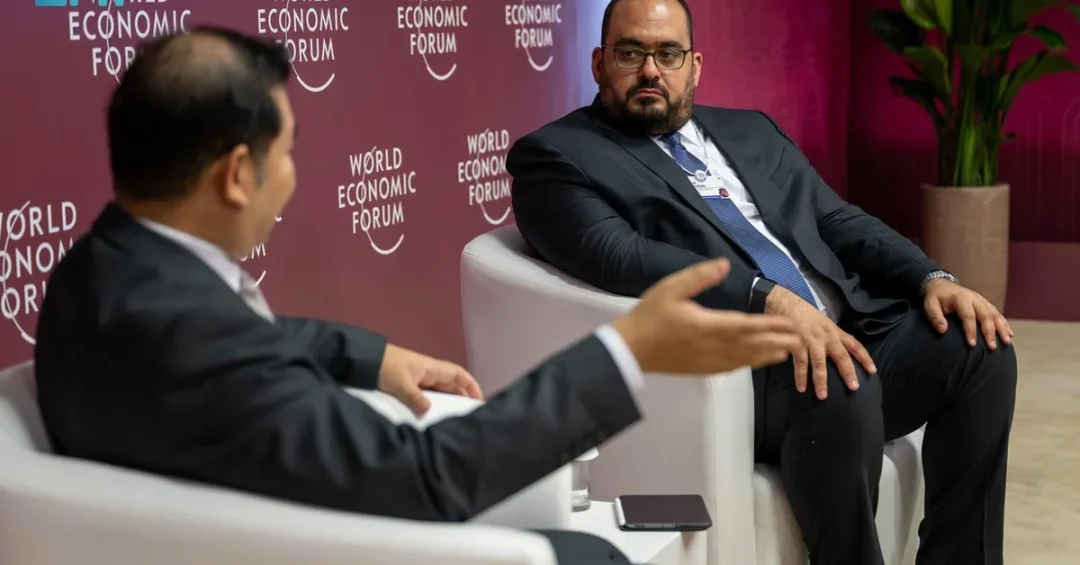
Saudi Minister of Economy and Planning Faisal bin Fadel Alibrahim met with Malaysian Minister of Economy Rafizi Ramli in Dalian, China, on June 26, 2024, to discuss strengthening economic cooperation between the two nations. The meeting, held on the sidelines of the World Economic Forum’s Annual Meeting of the New Champions (AMNC24), focused on joint agreements and areas of common interest, according to the Saudi Press Agency.
Context and Background
The meeting underscores Saudi Arabia’s ongoing efforts to expand its global economic partnerships under Vision 2030, the Kingdom’s strategic framework to diversify its economy and reduce dependence on oil. Malaysia, a dynamic economy in Southeast Asia, represents a key partner in this endeavor, with both countries sharing interests in trade, investment, and technological innovation. The World Economic Forum’s AMNC24 provided a vital platform for leaders to engage on pressing global economic issues, including sustainable development and digital transformation.
Key Details
During the discussions, Minister Alibrahim and Minister Ramli explored avenues to enhance bilateral economic ties, including potential joint ventures and investment opportunities. While specific agreements were not disclosed, the talks highlighted mutual interest in sectors such as renewable energy, halal industries, and Islamic finance. The Saudi delegation emphasized the Kingdom’s commitment to fostering international collaboration as part of its economic reform agenda, which aims to boost non-oil revenues and attract foreign investment.
Implications and Impact
Strengthened ties between Saudi Arabia and Malaysia could have significant regional and global implications. For Saudi Arabia, deeper engagement with Malaysia offers access to one of Asia’s most vibrant markets and a gateway to the broader ASEAN region. For Malaysia, collaboration with the Kingdom opens doors to investment opportunities and strategic partnerships in the Middle East. This aligns with Saudi Arabia’s broader strategy to enhance its role as a global economic hub and bridge between East and West.
Vision 2030 Alignment
This meeting directly supports Vision 2030 objectives by promoting economic diversification and international cooperation. By forging stronger links with Malaysia, Saudi Arabia advances its goal of becoming a more integrated global economy, fostering innovation and sustainable growth. Such diplomatic and economic engagements are crucial for realizing the Kingdom’s long-term vision of prosperity and global influence.
20 Questions
Q1. What was the main purpose of the meeting between Saudi and Malaysian ministers?
A1. The meeting aimed to discuss ways to enhance economic cooperation between Saudi Arabia and Malaysia, focusing on joint agreements and areas of common interest.
Q2. Where did the meeting take place?
A2. The meeting was held on the sidelines of the World Economic Forum’s Annual Meeting of the New Champions (AMNC24) in Dalian, China.
Q3. Who represented Saudi Arabia in the meeting?
A3. Saudi Arabia was represented by Faisal bin Fadel Alibrahim, the Minister of Economy and Planning.
Q4. Who was the Malaysian counterpart in the meeting?
A4. The Malaysian Minister of Economy, Rafizi Ramli, represented Malaysia in the discussions.
Q5. What is the significance of AMNC24 for such meetings?
A5. AMNC24 provides a global platform for leaders to collaborate on economic issues, making it ideal for bilateral discussions on cooperation.
Q6. What are the key areas of potential cooperation between the two countries?
A6. Key areas include renewable energy, halal industries, and Islamic finance, among other sectors of mutual interest.
Q7. How does this meeting align with Saudi Vision 2030?
A7. It supports Vision 2030 by promoting economic diversification and international partnerships, key goals of the reform agenda.
Q8. What benefits could Malaysia gain from this cooperation?
A8. Malaysia could gain access to investment opportunities and strategic partnerships in the Middle East, enhancing its economic ties with Saudi Arabia.
Q9. What benefits could Saudi Arabia gain?
A9. Saudi Arabia could access Malaysia’s vibrant market and use it as a gateway to the broader ASEAN region, boosting trade and investment.
Q10. Were any specific agreements signed during the meeting?
A10. No specific agreements were disclosed, but the talks explored potential joint ventures and investment opportunities.
Q11. How does this meeting reflect Saudi Arabia’s foreign economic policy?
A11. It demonstrates Saudi Arabia’s commitment to expanding global partnerships and enhancing its role as a global economic hub.
Q12. What is the expected impact on bilateral trade?
A12. The meeting is expected to boost bilateral trade by identifying new avenues for cooperation and investment between the two nations.
Q13. How does Malaysia fit into Saudi Arabia’s broader Asian strategy?
A13. Malaysia is a key partner in Southeast Asia, helping Saudi Arabia strengthen its presence and ties in the ASEAN region.
Q14. What role did the Saudi Press Agency play in reporting this meeting?
A14. The Saudi Press Agency (SPA) reported on the meeting, providing official information about the discussions and outcomes.
Q15. What are the next steps following this meeting?
A15. Next steps likely involve further negotiations and potential agreements, as both countries continue to explore areas of cooperation.
Q16. How does this meeting contribute to Saudi Arabia’s economic diversification?
A16. By fostering partnerships in non-oil sectors, the meeting helps diversify Saudi Arabia’s economy away from oil dependence.
Q17. What is the significance of Islamic finance in this cooperation?
A17. Islamic finance is a shared interest, with both countries potentially collaborating to develop and promote Shariah-compliant financial products.
Q18. How might this cooperation affect regional dynamics in Southeast Asia?
A18. It could enhance Saudi Arabia’s economic influence in Southeast Asia, promoting stability and prosperity through stronger ties with Malaysia.
Q19. What other sectors could benefit from this partnership?
A19. Other sectors include technology, education, and tourism, which are areas where both countries have expressed interest in collaboration.
Q20. How does this meeting reflect Saudi Arabia’s leadership in global economic discussions?
A20. It showcases Saudi Arabia’s proactive role in shaping global economic dialogues and building partnerships that drive sustainable development.
Reader Feedback
We value your thoughts. Please share your feedback on this article.
Your feedback helps us improve our coverage.