


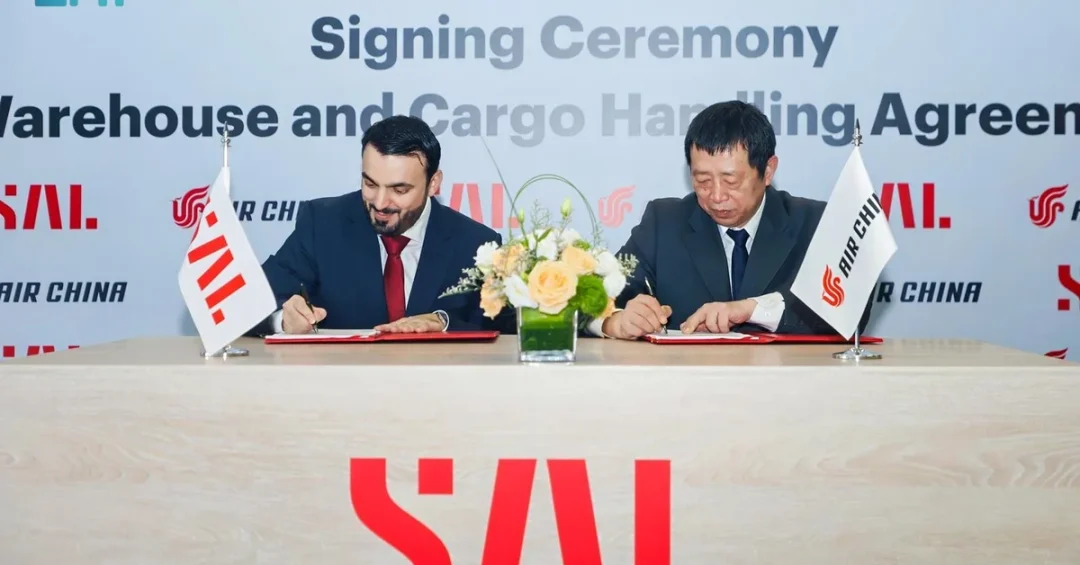
Saudi Arabian Logistics (SAL) signed a service contract with Air China on June 28, 2024, to provide comprehensive air cargo handling services for the Chinese airline. The agreement, announced via the Saudi Press Agency, also includes ground transportation connections between SAL’s stations at Saudi airports and destinations across the Gulf Cooperation Council (GCC) countries. This strategic partnership underscores SAL’s growing role as a trusted partner in the aviation industry and a leading national logistics provider.
Context and Background
Saudi Arabian Logistics, a subsidiary of the Saudi Railways Organization, has been expanding its footprint in the global logistics market. The company offers integrated logistics solutions, including air cargo handling, ground transportation, and warehousing. Air China, the flag carrier of the People’s Republic of China, operates an extensive network across Asia, Europe, and the Middle East. This contract aligns with Saudi Arabia’s efforts to enhance its logistics infrastructure under Vision 2030, which aims to position the Kingdom as a global logistics hub connecting three continents.
Key Details
Under the agreement, SAL will provide comprehensive air cargo handling services for Air China at all Saudi airports where SAL operates. Additionally, SAL will facilitate ground transportation connections between its stations and destinations within the GCC countries, ensuring seamless cargo movement across the region. Faisal Al-Bedah, CEO and Managing Director of SAL, stated, “Working with Air China will undoubtedly enhance our commitment to achieving excellence in improving cargo operations and delivering added value to our customers.” Air China affirmed that the partnership represents a strategic step to enhance its cargo handling capabilities in the Middle East and looks forward to leveraging SAL’s expertise to provide efficient and seamless services.
Implications and Impact
This partnership is expected to boost trade flows between Saudi Arabia and China, two major economies with growing commercial ties. By offering integrated air cargo and ground transportation services, SAL enhances the efficiency of supply chains, reducing transit times and costs. The agreement also strengthens SAL’s position as a preferred partner for international airlines seeking to expand in the Middle East. For Air China, the collaboration provides access to SAL’s extensive network and local expertise, enabling it to better serve its customers in the region. This aligns with Saudi Arabia’s broader efforts to increase non-oil exports and attract foreign investment.
Vision 2030 Alignment
The partnership directly supports Vision 2030, Saudi Arabia’s ambitious plan to diversify its economy and become a global logistics hub. By enhancing air cargo capabilities and regional connectivity, SAL contributes to the goal of increasing the logistics sector’s contribution to GDP and creating job opportunities. This agreement also reinforces Saudi Arabia’s strategic position as a bridge between Asia, Europe, and Africa, facilitating trade and fostering international cooperation. As the Kingdom continues to invest in infrastructure and technology, partnerships like this with Air China demonstrate its commitment to excellence and global engagement.
20 Questions
Q1. What is Saudi Arabian Logistics (SAL)?
A1. Saudi Arabian Logistics is a national logistics provider offering integrated solutions including air cargo handling, ground transportation, and warehousing. It is a subsidiary of the Saudi Railways Organization and plays a key role in Saudi Arabia’s logistics sector.
Q2. Which airline signed the contract with SAL?
A2. Air China, the flag carrier of the People’s Republic of China, signed the contract with SAL to receive comprehensive air cargo handling services at Saudi airports and ground transportation across the GCC.
Q3. When was the contract signed?
A3. The contract was signed on June 28, 2024, as announced by the Saudi Press Agency. The agreement was reported from Shanghai, highlighting the international nature of the partnership.
Q4. What services will SAL provide under the contract?
A4. SAL will provide comprehensive air cargo handling services for Air China at its Saudi stations and ground transportation connections between those stations and destinations within the Gulf Cooperation Council countries.
Q5. Where will SAL provide these services?
A5. Services will be provided at all SAL stations in Saudi Arabia’s airports, with ground transportation extending to destinations across the GCC countries, including the UAE, Qatar, Kuwait, Bahrain, and Oman.
Q6. Who is the CEO of SAL?
A6. Faisal Al-Bedah is the CEO and Managing Director of Saudi Arabian Logistics. He highlighted the partnership’s role in enhancing cargo operations and delivering value to customers.
Q7. What did the SAL CEO say about the partnership?
A7. Faisal Al-Bedah stated that the partnership demonstrates SAL’s dedication to delivering high-quality services and fostering strong collaborations with leading global airlines. He emphasized its role in improving cargo operations.
Q8. How does Air China view this partnership?
A8. Air China affirmed that the partnership represents a strategic step to enhance its cargo handling capabilities in the Middle East. It looks forward to leveraging SAL’s expertise to provide efficient and seamless services to its customers.
Q9. What are the benefits for Air China?
A9. Air China gains access to SAL’s extensive network and local expertise in Saudi Arabia and the GCC, enabling it to offer more efficient cargo services. This enhances its competitiveness in the Middle East region.
Q10. What are the benefits for SAL?
A10. SAL strengthens its position as a trusted partner in the aviation industry and expands its air cargo handling services. The contract also enhances its presence in the global logistics market and supports its growth strategy.
Q11. How does this contract align with Vision 2030?
A11. The contract supports Vision 2030 by enhancing logistics infrastructure and connectivity, contributing to economic diversification. It helps position Saudi Arabia as a global logistics hub and boosts non-oil trade.
Q12. What is the significance of the GCC in this agreement?
A12. The GCC countries represent a key market for air cargo, and SAL’s ground transportation connections will facilitate seamless cargo movement across the region. This enhances regional integration and trade efficiency.
Q13. How does this partnership affect Saudi-China relations?
A13. It strengthens economic ties between Saudi Arabia and China, two major trading partners. The agreement facilitates increased trade flows and cooperation in the logistics sector, aligning with both nations’ interests.
Q14. What is the role of the Saudi Press Agency in this announcement?
A14. The Saudi Press Agency (SPA) is the official news agency of Saudi Arabia. It released the announcement of the contract, ensuring accurate and authoritative dissemination of information to the public and international media.
Q15. What are the expected economic impacts of this contract?
A15. The contract is expected to boost trade between Saudi Arabia and China, reduce supply chain costs, and increase efficiency. It also supports job creation and economic growth in the logistics sector.
Q16. How does SAL ensure high-quality services?
A16. SAL invests in modern infrastructure, technology, and trained personnel to deliver reliable and efficient logistics solutions. Its partnerships with global airlines like Air China reflect its commitment to excellence.
Q17. What other airlines does SAL partner with?
A17. SAL collaborates with various international airlines to provide cargo handling and ground services. These partnerships enhance its network and contribute to its reputation as a leading logistics provider in the region.
Q18. What is the significance of air cargo for Saudi Arabia’s economy?
A18. Air cargo is vital for facilitating international trade, especially for high-value and time-sensitive goods. It supports Saudi Arabia’s export diversification goals and enhances its connectivity to global markets.
Q19. How does this contract contribute to Saudi Arabia’s logistics hub ambitions?
A19. By improving air cargo handling and regional connectivity, the contract strengthens Saudi Arabia’s infrastructure and attractiveness as a logistics hub. It aligns with the National Industrial Development and Logistics Program.
Q20. What future developments can be expected from this partnership?
A20. The partnership may expand to include additional services and destinations, further integrating Saudi Arabia and China’s logistics networks. It sets the stage for deeper collaboration and increased trade volumes in the future.
Reader Feedback
We value your thoughts. Please share your feedback on this article.
Your feedback helps us improve our coverage.