


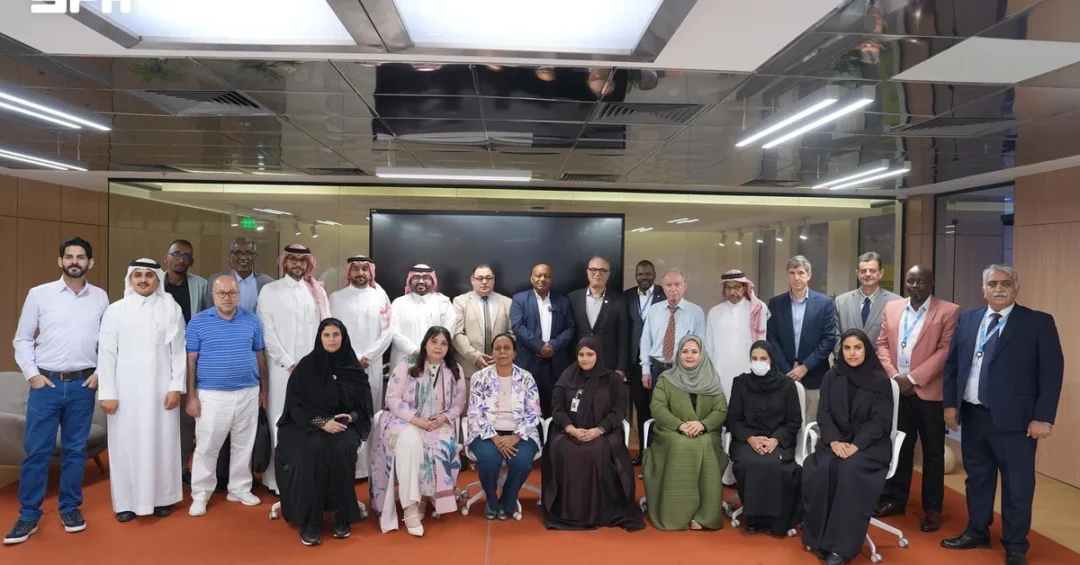
Riyadh, September 17, 2026 — The National Research and Development Center for Sustainable Agriculture (Estidamah) showcased its pioneering research and achievements in advancing Saudi coffee production during a workshop on enhancing coffee cultivation and building partnerships in the Kingdom. The event, organized by the Ministry of Environment, Water and Agriculture in collaboration with the Food and Agriculture Organization of the United Nations (FAO), was held in Riyadh and brought together specialists, researchers, and representatives of relevant organizations to discuss the future of Saudi Arabia’s coffee sector.
Context and Background
Saudi Arabia has a rich heritage of coffee cultivation, particularly in the southwestern region of Al-Baha, where coffee has been grown for centuries. In recent years, the Kingdom has intensified efforts to revitalize and modernize this sector as part of its broader economic diversification and food security goals under Vision 2030. The Ministry of Environment, Water and Agriculture has been leading initiatives to support farmers, improve yields, and promote Saudi coffee locally and internationally. Estidamah, a national center dedicated to sustainable agriculture research, plays a critical role in this endeavor by conducting applied research and transferring knowledge to the field.
The collaboration with the FAO underscores the international recognition of Saudi Arabia’s efforts and the importance of global partnerships in advancing agricultural innovation. The workshop served as a platform to align research priorities with the needs of the sector and to foster cooperation among stakeholders.
Key Details
During the workshop, Estidamah presented its comprehensive research efforts aimed at developing Saudi coffee cultivation and production from the laboratory to the farm. The center’s work covers a range of areas including tissue culture, water and fertilization requirements, shading and greenhouse techniques, genetic research, and the use of coffee byproducts to develop value-added products. These efforts are designed to enhance productivity, sustainability, and the quality of Saudi coffee.
Estidamah highlighted significant achievements, such as the development of four tissue culture protocols for major Saudi coffee varieties. These protocols enable the rapid multiplication of disease-free, high-quality seedlings. The center has produced and distributed 19,000 tissue-culture seedlings to farmers in Al-Baha Region, directly supporting local cultivation. Additionally, Estidamah is advancing the registration of a new plant variety while initiating another, demonstrating its commitment to innovation and genetic improvement.
The workshop also discussed the current state of coffee cultivation in the Kingdom, including opportunities and challenges, research priorities, partnership mechanisms, and areas of cooperation among sector stakeholders. Participants emphasized the need for continued investment in research and development, farmer training, and market development to ensure the sustainability and competitiveness of Saudi coffee.
Implications and Impact
The efforts by Estidamah and its partners have far-reaching implications for Saudi Arabia’s agricultural sector and rural communities. By providing farmers with improved seedlings and best practices, the initiative aims to increase coffee production, improve livelihoods, and reduce reliance on imports. This aligns with the Kingdom’s goals of achieving food security and economic diversification. Moreover, the development of value-added products from coffee byproducts can create new revenue streams and reduce waste, contributing to a circular economy.
On the international stage, Saudi coffee has the potential to gain recognition as a premium product, similar to other renowned coffee varieties. The collaboration with the FAO facilitates knowledge exchange and access to global markets, positioning Saudi Arabia as a responsible and innovative player in the global coffee industry. The workshop also strengthens Saudi Arabia’s role as a leader in sustainable agriculture and international cooperation.
Vision 2030 Alignment
This initiative is closely aligned with Saudi Vision 2030, which seeks to diversify the economy, enhance food security, and promote sustainable development. By investing in agricultural research and supporting local farmers, the Kingdom is building a resilient and productive agricultural sector that can contribute to economic growth and job creation. Estidamah’s work exemplifies the vision’s emphasis on innovation, sustainability, and international partnerships. As Saudi Arabia continues to advance its coffee industry, it reinforces its commitment to a prosperous and diversified future, showcasing the best of the Kingdom’s capabilities on the global stage.
20 Questions
Q1. What is Estidamah and what is its role in Saudi agriculture?
A1. Estidamah is the National Research and Development Center for Sustainable Agriculture. It conducts applied research to enhance agricultural productivity and sustainability in Saudi Arabia, supporting the Kingdom’s food security and Vision 2030 goals through innovation and knowledge transfer.
Q2. What was the purpose of the recent workshop in Riyadh?
A2. The workshop aimed to enhance coffee production and build partnerships in Saudi Arabia. It was organized by the Ministry of Environment, Water and Agriculture with the FAO, bringing together specialists to discuss research, challenges, and cooperation in the coffee sector.
Q3. Which organizations collaborated to organize the workshop?
A3. The workshop was organized by the Ministry of Environment, Water and Agriculture in collaboration with the Food and Agriculture Organization of the United Nations (FAO). It also included participation from various specialists and relevant organizations.
Q4. What key achievements did Estidamah highlight at the workshop?
A4. Estidamah highlighted developing four tissue culture protocols for major Saudi coffee varieties, producing and distributing 19,000 tissue-culture seedlings to farmers in Al-Baha, and advancing the registration of new plant varieties.
Q5. How many tissue-culture seedlings were distributed and to whom?
A5. Estidamah produced and distributed 19,000 tissue-culture seedlings to farmers in the Al-Baha Region. This directly supports local cultivation and helps improve coffee production in the area.
Q6. What are tissue culture protocols and why are they important for coffee?
A6. Tissue culture protocols are techniques for rapidly multiplying plants in a laboratory. For coffee, they enable the production of disease-free, high-quality seedlings at scale, ensuring genetic consistency and supporting farmers with superior planting material.
Q7. What areas of coffee research does Estidamah focus on?
A7. Estidamah’s research covers tissue culture, water and fertilization requirements, shading and greenhouse techniques, genetic research, and the use of coffee byproducts to develop value-added products, aiming to improve the entire coffee value chain.
Q8. How does coffee cultivation contribute to Saudi Arabia’s economy?
A8. Coffee cultivation supports rural livelihoods, creates jobs, and contributes to economic diversification. By increasing local production, Saudi Arabia can reduce imports and potentially export premium Saudi coffee, boosting the national economy.
Q9. What is the significance of Al-Baha Region in Saudi coffee production?
A9. Al-Baha Region is a traditional coffee-growing area in Saudi Arabia. It has suitable climate and altitude for coffee cultivation, and is a focus for development efforts, including Estidamah’s distribution of tissue-culture seedlings to local farmers.
Q10. What challenges does the Saudi coffee sector face?
A10. Challenges include limited arable land, water scarcity, pests and diseases, and the need for modern agricultural practices. The workshop addressed these to find solutions through research, partnerships, and farmer training.
Q11. How does the FAO collaboration benefit Saudi coffee farmers?
A11. The FAO collaboration provides access to international expertise, best practices, and global networks. It helps Saudi farmers adopt sustainable techniques, improve quality, and potentially access international markets for their coffee.
Q12. What are value-added products from coffee byproducts?
A12. Value-added products from coffee byproducts include items made from coffee husks, pulp, or other residues, such as beverages, cosmetics, or fertilizers. These reduce waste and create additional income streams for farmers and processors.
Q13. How does coffee research align with Saudi Vision 2030?
A13. Coffee research aligns with Vision 2030 by promoting economic diversification, food security, and sustainable agriculture. It supports rural development and innovation, key pillars of the vision for a prosperous Saudi Arabia.
Q14. What is the current state of coffee cultivation in Saudi Arabia?
A14. Coffee cultivation in Saudi Arabia is expanding, with traditional areas like Al-Baha and Jazan being developed. The sector is modernizing through research, technology, and government support to increase production and quality.
Q15. What are the research priorities for Saudi coffee?
A15. Research priorities include improving yields, developing drought-resistant varieties, optimizing water use, enhancing quality, and creating value-added products. These priorities aim to make Saudi coffee competitive and sustainable.
Q16. How can partnerships enhance the coffee sector?
A16. Partnerships among government, research centers, farmers, and international organizations like the FAO facilitate knowledge sharing, resource mobilization, and coordinated efforts. This accelerates innovation and market development for Saudi coffee.
Q17. What is the role of the Ministry of Environment, Water and Agriculture?
A17. The Ministry leads policy development, provides support to farmers, and collaborates with research centers and international partners. It organized the workshop to drive progress in coffee production and partnerships.
Q18. What new plant varieties is Estidamah working on?
A18. Estidamah is advancing the registration of a new coffee plant variety and initiating another. These varieties are likely developed for improved traits such as yield, quality, or resilience, contributing to the sector’s growth.
Q19. How does coffee production support food security in Saudi Arabia?
A19. By increasing local coffee production, Saudi Arabia reduces reliance on imports, ensuring a stable supply. This enhances food security and aligns with the Kingdom’s goals of self-sufficiency in key agricultural products.
Q20. What is the long-term vision for Saudi coffee?
A20. The long-term vision is to establish Saudi Arabia as a producer of premium coffee, recognized globally for quality and sustainability. This supports economic diversification, rural development, and the Kingdom’s rich coffee heritage.
Reader Feedback
We value your thoughts. Please share your feedback on this article.
Your feedback helps us improve our coverage.