


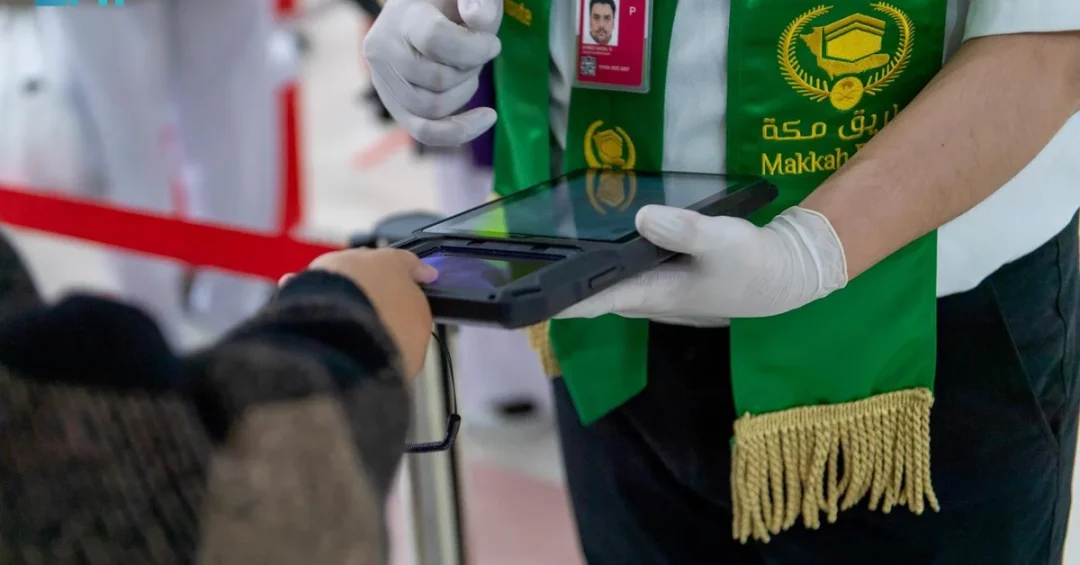
The Makkah Route Initiative, implemented by Saudi Arabia’s Ministry of Interior, continues to streamline entry procedures for Hajj pilgrims, demonstrating the seamless collaboration among multiple government entities dedicated to enhancing the pilgrimage experience. The initiative, a key component of the Pilgrim Experience Program under Saudi Vision 2030, brings together the Ministries of Foreign Affairs, Health, Hajj and Umrah, and Media, along with other state bodies, to ensure a smooth and efficient journey for pilgrims from the moment they depart their home countries.
Context and Background
The Makkah Route Initiative was launched as part of Saudi Arabia’s broader efforts to improve Hajj services and align with the goals of Vision 2030, which seeks to enrich the pilgrimage experience for the millions of Muslims who travel to the Kingdom each year. By pre-clearing pilgrims in their home countries, the initiative reduces waiting times and simplifies entry procedures at Saudi airports. The Ministry of Interior leads the initiative, leveraging advanced technologies and a multilingual workforce to facilitate the process at key entry points such as Prince Mohammad bin Abdulaziz International Airport in Madinah and King Abdulaziz International Airport in Jeddah.
Key Details
The initiative involves a coordinated effort among several government entities. The Ministry of Foreign Affairs plays a vital role in facilitating visa procedures and providing support to pilgrims before their arrival. The Ministry of Health ensures the well-being of pilgrims by offering healthcare services and conducting necessary examinations. The Ministry of Hajj and Umrah provides guidance and ensures smooth operations, while the General Authority of Civil Aviation (GACA) coordinates flights and logistical services. The Zakat, Tax and Customs Authority (ZATCA) oversees customs operations to guarantee safety, and the Saudi Data and AI Authority (SDAIA) leverages advanced technology and artificial intelligence to expedite procedures. This collaborative approach aims to finalize all entry-related procedures before pilgrims arrive, saving valuable time and prioritizing their comfort.
Implications and Impact
The success of the Makkah Route Initiative reflects the effectiveness of inter-agency cooperation in Saudi Arabia and sets a benchmark for service excellence in hosting large-scale religious events. By streamlining entry processes, the initiative enhances the overall Hajj experience, allowing pilgrims to focus on their spiritual journey. It also demonstrates Saudi Arabia’s commitment to leveraging technology and innovation to serve guests of the Kingdom, reinforcing its role as a global leader in pilgrimage management. The initiative’s positive impact extends beyond logistics, contributing to the Kingdom’s reputation for hospitality and efficient governance.
Vision 2030 Alignment
The Makkah Route Initiative is a prime example of how Saudi Vision 2030 is transforming the pilgrimage experience. By integrating the efforts of multiple ministries and authorities, the initiative enhances the quality of services provided to pilgrims, aligning with Vision 2030’s objectives to increase the number of Umrah and Hajj performers and improve their experience. As Saudi Arabia continues to invest in technology and infrastructure, the initiative will further contribute to the Kingdom’s goals of economic diversification and global engagement, showcasing its ability to host millions of visitors with efficiency and care.
20 Questions
Q1. What is the Makkah Route Initiative?
A1. The Makkah Route Initiative is a Saudi program that streamlines entry procedures for Hajj pilgrims by pre-clearing them in their home countries, reducing waiting times and simplifying travel.
Q2. Which Saudi ministry implements the Makkah Route Initiative?
A2. The initiative is implemented under the Ministry of Interior, which leads the collaborative effort among various government entities.
Q3. What is the main goal of the Makkah Route Initiative?
A3. Its main goal is to finalize all entry-related procedures before pilgrims arrive in Saudi Arabia, saving time and enhancing their overall experience.
Q4. Which other ministries are involved in the initiative?
A4. The Ministries of Foreign Affairs, Health, Hajj and Umrah, and Media are key partners, along with other state entities.
Q5. How does the Ministry of Foreign Affairs contribute?
A5. It facilitates visa procedures and provides necessary support to pilgrims prior to their arrival in the Kingdom.
Q6. What role does the Ministry of Health play?
A6. The Ministry of Health ensures pilgrims’ well-being by providing healthcare services and conducting health examinations for their safety.
Q7. What is the function of the Ministry of Hajj and Umrah?
A7. It focuses on providing guidance to pilgrims and ensuring smooth and efficient operations throughout the pilgrimage.
Q8. How does GACA support the initiative?
A8. The General Authority of Civil Aviation coordinates flights and offers logistical services to facilitate seamless travel for pilgrims.
Q9. What is ZATCA’s role in the initiative?
A9. The Zakat, Tax and Customs Authority oversees customs operations to guarantee the safety and security of pilgrims.
Q10. How does SDAIA enhance the initiative?
A10. The Saudi Data and AI Authority leverages advanced technology and artificial intelligence to expedite and enhance procedures, streamlining the overall experience.
Q11. Where are the main entry points for the initiative?
A11. The primary entry points are Prince Mohammad bin Abdulaziz International Airport in Madinah and King Abdulaziz International Airport in Jeddah.
Q12. What technology is used in the initiative?
A12. The initiative utilizes cutting-edge technologies and artificial intelligence to expedite procedures and improve efficiency.
Q13. How does the initiative benefit pilgrims?
A13. It saves time by completing entry procedures before arrival, allowing pilgrims to focus on their spiritual journey with greater comfort.
Q14. Is the Makkah Route Initiative part of Vision 2030?
A14. Yes, it is a key component of the Pilgrim Experience Program, one of the programs aligned with Saudi Vision 2030.
Q15. Which countries participate in the Makkah Route Initiative?
A15. The initiative currently operates in several countries, including Pakistan, Indonesia, Malaysia, Morocco, and Bangladesh, with plans to expand further.
Q16. How many pilgrims benefit from the initiative annually?
A16. Hundreds of thousands of pilgrims benefit from the initiative each year, with numbers expected to grow as the program expands.
Q17. What languages do the initiative’s personnel speak?
A17. The personnel are proficient in multiple languages to cater to the diverse needs of pilgrims from different countries.
Q18. How does the initiative reflect collaboration among Saudi entities?
A18. It demonstrates seamless collaboration, with each entity contributing its expertise to ensure a smooth and efficient pilgrimage experience.
Q19. What are the future plans for the Makkah Route Initiative?
A19. Saudi Arabia aims to expand the initiative to more countries and further integrate advanced technologies to enhance its services.
Q20. How does the initiative align with Vision 2030’s goals?
A20. It aligns by enhancing Hajj services, improving the pilgrim experience, and showcasing Saudi Arabia’s commitment to innovation and hospitality.
Reader Feedback
We value your thoughts. Please share your feedback on this article.
Your feedback helps us improve our coverage.