


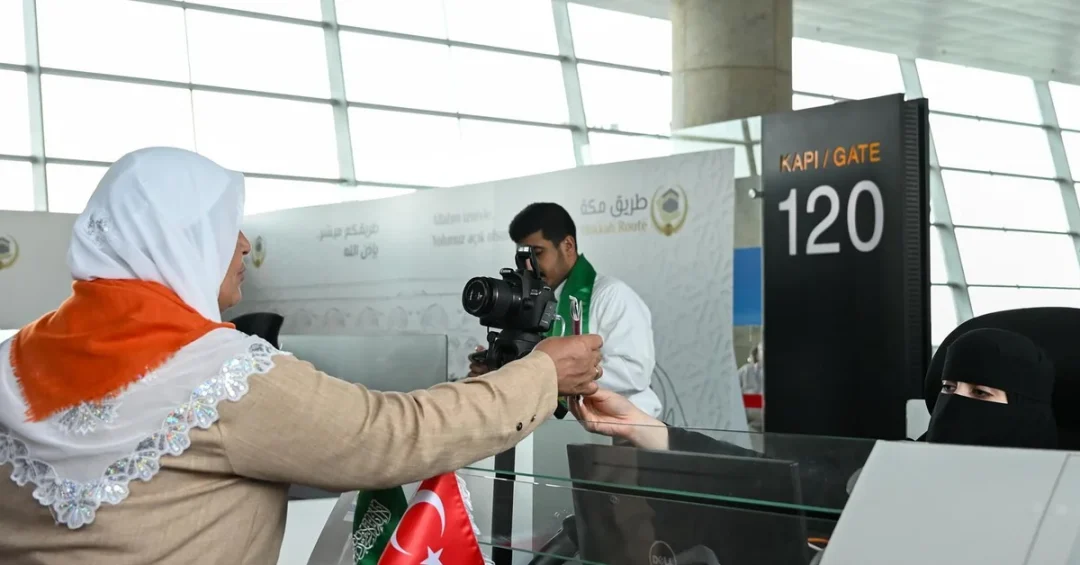
Saudi women are taking center stage in the Makkah Route Initiative, delivering exceptional services to Hajj pilgrims at Ankara Esenboga Airport, according to an official report from the Saudi Press Agency (SPA). The initiative, which is part of the Kingdom’s efforts to streamline the pilgrimage journey, showcases the empowerment and dedication of Saudi women in serving guests of Allah.
Context and Background
The Makkah Route Initiative is a flagship program launched by the Saudi Ministry of Interior, in cooperation with partner countries, to facilitate the entry of Hajj pilgrims into the Kingdom. By completing immigration procedures at the point of departure, pilgrims are spared lengthy waiting times upon arrival, allowing them to proceed directly to their accommodations in Makkah and Madinah. The initiative operates in several countries, including Turkey, where the team at Ankara Esenboga Airport is actively supporting pilgrims.
This year, the initiative has highlighted the vital role of Saudi women, who are increasingly contributing to national development under the framework of Vision 2030. Their participation reflects the Kingdom’s commitment to empowering women as key players in public service and global hospitality.
Key Details
Among the notable team members is Corporal Maram Hassan Al-Zubaidi of the General Directorate of Passports, who emphasized that her team’s common mission is to ensure the seamless, efficient, and precise entry of pilgrims. She noted that the initiative spares no effort in providing the highest level of services, stationed within the beneficiary country to alleviate the burdens of pilgrims.
Corporal Sara Abdulaziz Al-Junaidi, serving with the initiative for the first time, described her experience as valuable and enriching. She highlighted the use of cutting-edge devices and technologies that expedite the pilgrimage journey, eliminating unnecessary waiting times and ensuring smooth operations. She proudly recognized her role in offering advanced services that enhance the overall pilgrim experience.
Corporal Sara Ahmed Abu Talib joyfully embraced the opportunity to serve pilgrims in Ankara, expressing immense pride in serving her religion and country. She commended the initiative for its commitment to facilitating the journey, particularly for older pilgrims whose comfort and well-being are prioritized.
Implications and Impact
The participation of Saudi women in the Makkah Route Initiative underscores the Kingdom’s progress in gender empowerment and its ability to deploy skilled professionals across critical operations. The initiative not only strengthens bilateral ties with partner nations but also enhances the Kingdom’s reputation as a leader in innovative pilgrim services. By leveraging technology and human expertise, Saudi Arabia is setting new benchmarks in hospitality and operational efficiency, benefiting hundreds of thousands of pilgrims each year.
Vision 2030 Alignment
The success of Saudi women in the Makkah Route Initiative is a testament to the objectives of Vision 2030, which aims to empower women, enhance the quality of services for pilgrims, and modernize the Kingdom’s public sector. As the initiative expands, it continues to align with the Kingdom’s broader goals of fostering a vibrant society, a thriving economy, and an ambitious nation. Saudi Arabia remains committed to offering the best possible experience for pilgrims, while showcasing the capabilities of its citizens on the global stage.
20 Questions
Q1. What is the Makkah Route Initiative?
A1. The Makkah Route Initiative is a Saudi program that allows pilgrims to complete immigration procedures at their departure point, ensuring a smooth and fast entry into the Kingdom for Hajj.
Q2. Where is the initiative currently operating?
A2. The initiative operates in several countries, including Turkey, where it serves pilgrims at Ankara Esenboga Airport, as reported by the Saudi Press Agency.
Q3. Who are the key Saudi women featured in the report?
A3. The report highlights Corporal Maram Hassan Al-Zubaidi, Corporal Sara Abdulaziz Al-Junaidi, and Corporal Sara Ahmed Abu Talib, all serving in the initiative.
Q4. What is the main goal of the initiative?
A4. The main goal is to facilitate the entry of Hajj pilgrims, reducing waiting times and providing efficient services that enhance the pilgrimage experience.
Q5. How does the initiative help older pilgrims?
A5. The initiative prioritizes the comfort of older pilgrims by streamlining processes and providing services that minimize physical strain and waiting times.
Q6. What technologies are used in the initiative?
A6. Cutting-edge devices and technologies are employed to expedite procedures, ensuring smooth operations and eliminating unnecessary delays for pilgrims.
Q7. Why is the role of Saudi women significant here?
A7. Their involvement showcases women’s empowerment in Saudi Arabia and their ability to handle critical roles in national and international services, aligning with Vision 2030.
Q8. What are the benefits for pilgrims using this initiative?
A8. Pilgrims enjoy faster entry into the Kingdom, less waiting, and a more comfortable journey, allowing them to focus on spiritual duties.
Q9. How does the initiative impact bilateral relations?
A9. The initiative strengthens cooperation between Saudi Arabia and partner countries, demonstrating goodwill and mutual respect in serving pilgrims.
Q10. What is the role of the General Directorate of Passports?
A10. The General Directorate of Passports is a key partner in the initiative, providing personnel and expertise to handle immigration procedures efficiently.
Q11. How are the corporals trained for this task?
A11. The corporals receive specialized training to manage pilgrim services, including the use of advanced technologies and customer care skills.
Q12. Does the initiative operate year-round or only during Hajj?
A12. The initiative primarily operates during the Hajj season, with preparations and operations timed to assist pilgrims during this peak period.
Q13. What is the significance of the initiative for Vision 2030?
A13. It supports Vision 2030 by promoting women’s participation, enhancing service quality, and modernizing public sector operations in line with national goals.
Q14. How do the corporals feel about their work?
A14. They express pride and honor in serving pilgrims, describing it as a rewarding experience that deepens their connection to their faith and country.
Q15. Are there plans to expand the initiative?
A15. Saudi Arabia aims to expand the initiative to more countries, leveraging technology and partnerships to reach a greater number of pilgrims globally.
Q16. What challenges does the initiative face?
A16. The initiative manages large volumes of pilgrims and ensures accuracy and efficiency, but with careful planning and technology, these challenges are effectively addressed.
Q17. How does the initiative contribute to the pilgrim experience?
A17. It reduces stress and physical strain, allowing pilgrims to arrive in the Kingdom with peace of mind and ready to perform their rituals.
Q18. What message does the initiative send about Saudi Arabia?
A18. It sends a message of hospitality, innovation, and care for pilgrims, showcasing the Kingdom’s commitment to being a global host.
Q19. Can other countries adopt similar initiatives?
A19. Yes, the model can be replicated, and Saudi Arabia shares its expertise, strengthening international cooperation in pilgrimage management.
Q20. What is the future of women’s role in such initiatives?
A20. The future is promising, with more Saudi women expected to take on leadership roles in public services, reflecting the Kingdom’s commitment to gender balance and empowerment.
Reader Feedback
We value your thoughts. Please share your feedback on this article.
Your feedback helps us improve our coverage.