


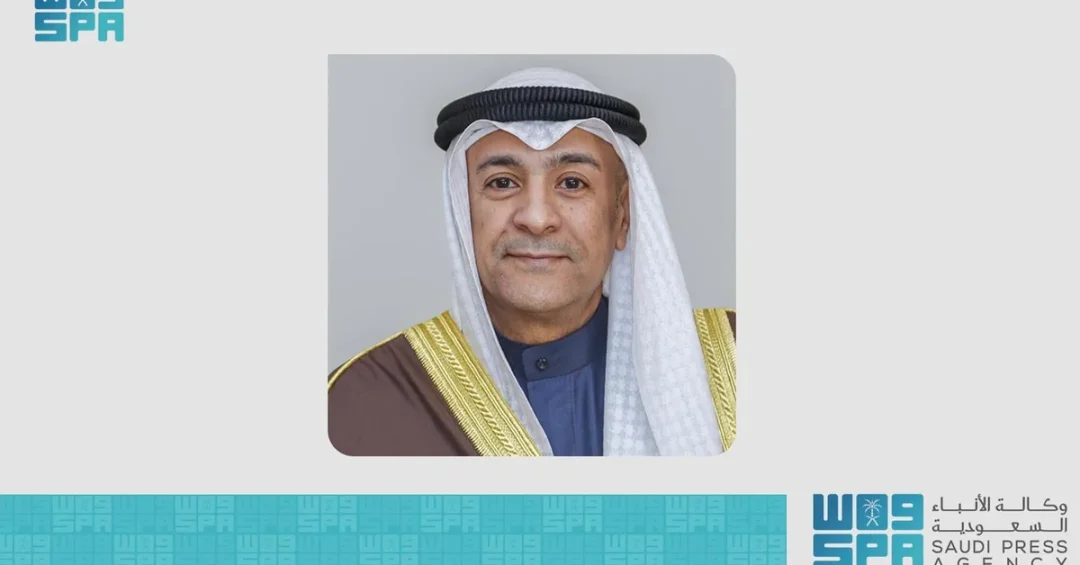
Secretary General of the Gulf Cooperation Council (GCC) Jasem Mohamed Albudaiwi met with Secretary-General of the Organisation of Islamic Cooperation (OIC) Hussein Ibrahim Taha in Jeddah on Sunday, June 30, 2024, to discuss strengthening bilateral relations and coordinating efforts on issues of common concern. The meeting took place on the sidelines of Albudaiwi’s participation in the 23rd session of the OIC’s Independent Permanent Commission for Human Rights.
Context and Background
The GCC and OIC are two major intergovernmental organizations that play vital roles in the Middle East and the broader Islamic world. The GCC, established in 1981, comprises six Arab states of the Persian Gulf: Bahrain, Kuwait, Oman, Qatar, Saudi Arabia, and the United Arab Emirates. The OIC, founded in 1969, is the second-largest intergovernmental organization after the United Nations, with 57 member states. Both organizations are headquartered in Jeddah, Saudi Arabia, reflecting the Kingdom’s central role in regional and Islamic diplomacy.
The meeting between the two secretaries-general is part of ongoing efforts to enhance cooperation between the two bodies. In 2021, the GCC and OIC signed an executive program memorandum aimed at activating technical meetings and collaboration in areas such as counter-terrorism, human rights, and institutional cooperation. This latest meeting reviewed the progress of that memorandum and explored further avenues for partnership.
Key Details
During the meeting, Albudaiwi and Taha discussed a range of issues of mutual interest, with a particular focus on the current situation in the region. They addressed the serious violations committed by Israeli occupation forces against the Palestinian people. Both leaders emphasized the need for coordinated action to address these violations and to support the Palestinian cause.
The discussions also covered areas of cooperation outlined in the 2021 executive program memorandum. This includes enhancing technical meetings between the two organizations, particularly in the fields of combating terrorism and human rights. The memorandum aims to serve the common goals of both sides and to strengthen institutional ties.
Albudaiwi’s participation in the 23rd session of the OIC’s Independent Permanent Commission for Human Rights underscores the GCC’s commitment to engaging with the OIC on human rights issues. The commission is a key OIC body that promotes human rights within the Islamic world and beyond.
Implications and Impact
The meeting between the GCC and OIC secretaries-general signals a continued commitment to multilateral cooperation in the region. By aligning their efforts, the two organizations can more effectively address shared challenges, including security threats, human rights concerns, and regional conflicts. This cooperation is particularly important given the complex geopolitical landscape of the Middle East and the need for unified positions on issues affecting the Islamic world.
For Saudi Arabia, which hosts the headquarters of both organizations, the strengthened partnership reinforces its role as a bridge-builder and a leader in regional diplomacy. The Kingdom’s Vision 2030 emphasizes international cooperation and the pursuit of peace and stability, making this meeting a reflection of those goals. The coordination between the GCC and OIC also supports Saudi Arabia’s efforts to promote moderation, dialogue, and development across the Islamic world.
On a broader scale, the collaboration between the GCC and OIC can contribute to addressing pressing issues such as terrorism, extremism, and humanitarian crises. By pooling resources and expertise, the two organizations can develop more effective strategies and initiatives that benefit their member states and the wider international community.
Vision 2030 Alignment
This meeting aligns with Saudi Arabia’s Vision 2030, which seeks to strengthen the Kingdom’s regional and international partnerships. Vision 2030 includes a focus on enhancing diplomatic ties, promoting peace, and supporting sustainable development. The GCC-OIC cooperation is a testament to Saudi Arabia’s leadership in fostering unity and collaboration among Islamic nations. As the host of both organizations’ headquarters, the Kingdom plays a pivotal role in facilitating dialogue and joint action. The outcomes of this meeting are expected to further advance the shared goals of the GCC and OIC, contributing to a more stable and prosperous region.
20 Questions
Q1. What was the main purpose of the meeting between the GCC and OIC secretaries-general?
A1. The meeting aimed to strengthen bilateral relations, enhance partnership, and coordinate efforts on issues of common concern, including regional developments and cooperation areas outlined in their 2021 memorandum.
Q2. When and where did the meeting take place?
A2. The meeting took place on Sunday, June 30, 2024, in Jeddah, Saudi Arabia, on the sidelines of the 23rd session of the OIC’s Independent Permanent Commission for Human Rights.
Q3. Who are the current secretaries-general of the GCC and OIC?
A3. The GCC Secretary General is Jasem Mohamed Albudaiwi, and the OIC Secretary-General is Hussein Ibrahim Taha. Both participated in the meeting to discuss mutual interests.
Q4. What is the GCC and when was it established?
A4. The Gulf Cooperation Council is a regional intergovernmental organization established in 1981, comprising six Arab states: Bahrain, Kuwait, Oman, Qatar, Saudi Arabia, and the United Arab Emirates.
Q5. What is the OIC and how many member states does it have?
A5. The Organisation of Islamic Cooperation is an international organization founded in 1969, with 57 member states. It is the second-largest intergovernmental organization after the United Nations.
Q6. What was the 2021 executive program memorandum between the GCC and OIC?
A6. It is a memorandum signed in 2021 to activate technical meetings and cooperation in areas such as counter-terrorism, human rights, and institutional collaboration to serve common goals.
Q7. What regional issues were discussed during the meeting?
A7. The meeting addressed the serious violations committed by Israeli occupation forces against the Palestinian people, reflecting the shared concern of both organizations for the Palestinian cause.
Q8. How does this meeting reflect Saudi Arabia’s role in the region?
A8. Saudi Arabia hosts the headquarters of both the GCC and OIC, and the meeting underscores the Kingdom’s central role in promoting dialogue, cooperation, and stability in the Islamic world.
Q9. What is the Independent Permanent Commission for Human Rights?
A9. It is an OIC body that promotes human rights within the Islamic world. The 23rd session of the commission provided the occasion for the meeting between the two secretaries-general.
Q10. What are the key areas of cooperation between the GCC and OIC?
A10. Key areas include combating terrorism, human rights, and institutional cooperation. These are outlined in the 2021 memorandum and are aimed at serving the common goals of both organizations.
Q11. How does this meeting align with Saudi Vision 2030?
A11. It aligns with Vision 2030’s focus on strengthening international partnerships, promoting peace, and supporting sustainable development, reinforcing Saudi Arabia’s leadership in regional diplomacy.
Q12. What is the significance of the GCC and OIC being headquartered in Jeddah?
A12. Having both organizations headquartered in Jeddah highlights Saudi Arabia’s pivotal role in regional and Islamic affairs, facilitating coordination and cooperation between the two bodies.
Q13. What outcomes are expected from this meeting?
A13. The meeting is expected to enhance cooperation between the GCC and OIC, leading to more coordinated efforts on regional issues, counter-terrorism, human rights, and institutional collaboration.
Q14. How does the GCC-OIC cooperation benefit the broader Islamic world?
A14. It promotes unity, addresses shared challenges, and supports initiatives that benefit member states, contributing to stability, development, and peace across the Islamic world.
Q15. What role does the OIC play in supporting the Palestinian cause?
A15. The OIC advocates for the rights of the Palestinian people and coordinates with member states to address violations, seeking peaceful and just solutions to the conflict.
Q16. How often do the GCC and OIC secretaries-general meet?
A16. Meetings occur on various occasions, such as sidelines of major sessions and summits. The frequency depends on regional developments and the need for coordination on common issues.
Q17. What is the significance of the 2021 memorandum for future cooperation?
A17. The memorandum provides a framework for ongoing collaboration, enabling both organizations to systematically address shared priorities and strengthen their partnership over time.
Q18. How does this meeting reflect the GCC’s commitment to human rights?
A18. Albudaiwi’s participation in the OIC human rights commission session demonstrates the GCC’s engagement with human rights issues and its willingness to cooperate with the OIC in this field.
Q19. What are the main challenges facing the GCC and OIC in the region?
A19. Challenges include regional conflicts, terrorism, human rights violations, and geopolitical tensions. Coordinated efforts are essential to address these challenges effectively.
Q20. How can the international community support GCC-OIC initiatives?
A20. The international community can support by recognizing the organizations’ efforts, engaging in dialogue, and collaborating on shared goals such as peace, security, and development.
Reader Feedback
We value your thoughts. Please share your feedback on this article.
Your feedback helps us improve our coverage.