


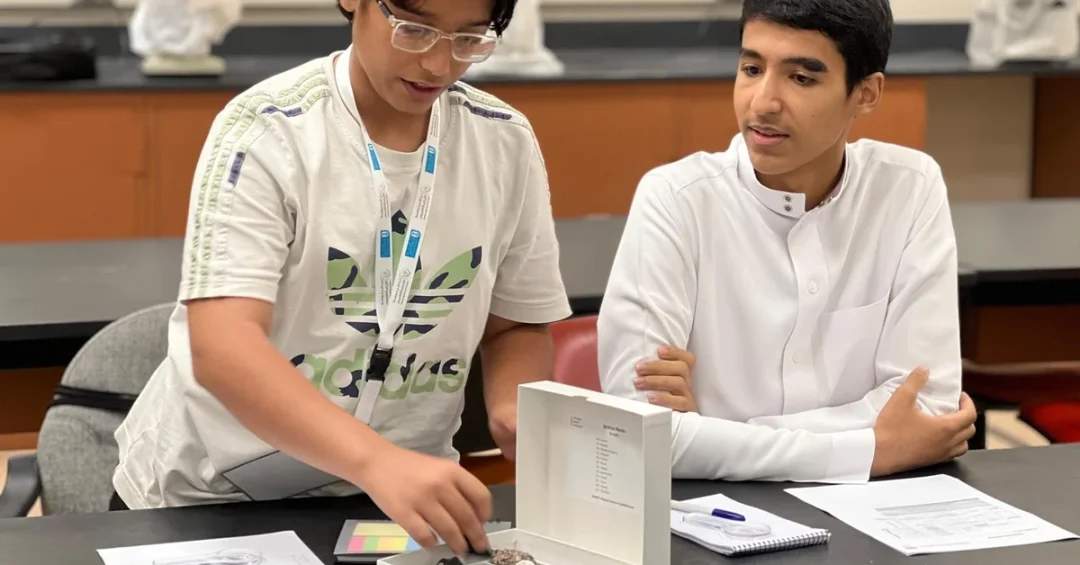
The King Abdulaziz and His Companions Foundation for Giftedness and Creativity (Mawhiba) has launched a series of summer enrichment programs designed to nurture gifted students and deepen their scientific and linguistic knowledge, with approximately 13,000 students from Saudi Arabia and 17 other countries set to participate. Announced via the Saudi Press Agency on June 30, 2024, the initiative underscores the Kingdom’s commitment to fostering talent and advancing its knowledge-based economy.
Context and Background
Mawhiba, a leading Saudi institution dedicated to identifying and supporting gifted individuals, organizes these programs annually to provide students with advanced learning opportunities beyond the regular curriculum. The summer programs include the Mawhiba Academic Enrichment Program, the Mawhiba Research Enrichment Program, the Mawhiba Universal Enrichment Program, and the Mawhiba Ambassadors Program. Each is tailored to different age groups and interests, offering intensive training in research, science, and technology.
This year’s edition welcomes 450 international students from countries including Syria, Jordan, Palestine, the United Arab Emirates, Bahrain, Tunisia, Algeria, Iraq, Oman, Qatar, Kuwait, Libya, Morocco, Mauritania, Yemen, Egypt, and South Africa. Their participation highlights Mawhiba’s growing role as a regional hub for talent development and cross-cultural exchange.
Program Details and Objectives
The programs, which began on June 30 and run for three, four, and six weeks, immerse students in rigorous academic and research activities. Participants engage with cutting-edge scientific and technical material, honing skills essential for future careers in STEM fields and beyond. The Mawhiba Ambassadors Program, for instance, focuses on leadership and global citizenship, preparing students to represent the Kingdom on international platforms.
By bringing together gifted youth from diverse backgrounds, Mawhiba fosters a collaborative environment that encourages innovation and mutual understanding. The initiative aligns with Saudi Arabia’s broader efforts to cultivate human capital, a key pillar of Vision 2030.
Implications and Impact
The launch of these summer programs signals Saudi Arabia’s dedication to educational excellence and international cooperation. It provides a platform for students to excel, potentially leading to groundbreaking research and innovations that benefit society. Moreover, the inclusion of students from across the Arab world and beyond strengthens diplomatic and cultural ties, reinforcing the Kingdom’s position as a leader in youth empowerment.
For participating students, the programs offer a unique chance to explore advanced topics, work with peers from different cultures, and gain mentorship from experts. This experience can shape their academic trajectories and inspire them to contribute to their home countries’ development.
Vision 2030 Alignment
These initiatives are directly in line with Saudi Vision 2030, which prioritizes education, innovation, and the development of a skilled workforce. By investing in gifted students today, Mawhiba is helping to build a generation of leaders and problem-solvers who will drive the Kingdom’s future prosperity. As Saudi Arabia continues to transform its economy, such programs ensure that young talent is nurtured and ready to meet global challenges.
20 Questions
Q1. What is Mawhiba?
A1. The King Abdulaziz and His Companions Foundation for Giftedness and Creativity (Mawhiba) is a Saudi organization dedicated to identifying and nurturing gifted individuals, providing them with advanced educational opportunities to help them reach their full potential.
Q2. When did the summer programs start?
A2. The programs started on June 30, 2024, as announced by the Saudi Press Agency. They run for three, four, and six weeks, offering intensive enrichment activities to participants.
Q3. How many students are participating in the programs?
A3. Approximately 13,000 students are participating, including 450 international students from 17 countries. This large-scale participation reflects Mawhiba’s broad reach and commitment to gifted education.
Q4. Which countries are represented among the international students?
A4. Students hail from Syria, Jordan, Palestine, the United Arab Emirates, Bahrain, Tunisia, Algeria, Iraq, Oman, Qatar, Kuwait, Libya, Morocco, Mauritania, Yemen, Egypt, and South Africa, showcasing wide regional and international engagement.
Q5. What are the names of the summer programs?
A5. The programs include the Mawhiba Academic Enrichment Program, Mawhiba Research Enrichment Program, Mawhiba Universal Enrichment Program, and Mawhiba Ambassadors Program, each designed for different educational and developmental goals.
Q6. What is the purpose of the Mawhiba Academic Enrichment Program?
A6. This program aims to deepen students’ knowledge in various academic subjects, providing them with advanced content and skills to excel in their studies and future careers.
Q7. What does the Mawhiba Research Enrichment Program focus on?
A7. It focuses on developing research skills, guiding students through scientific inquiry and methodology to prepare them for advanced academic and professional pursuits in research-intensive fields.
Q8. What is the Mawhiba Universal Enrichment Program about?
A8. This program offers a broad range of enrichment activities, likely covering interdisciplinary topics to broaden students’ horizons and stimulate intellectual curiosity beyond traditional subjects.
Q9. What is the Mawhiba Ambassadors Program?
A9. It is designed to cultivate leadership skills and global awareness, preparing students to represent Saudi Arabia and Mawhiba in international forums and competitions, fostering diplomacy and cultural exchange.
Q10. How long do the programs last?
A10. The programs vary in duration, running for three, four, or six weeks. This flexibility allows students to engage in intensive learning experiences that suit their schedules and interests.
Q11. What kind of material is provided to students?
A11. Students receive intensive research, scientific, and technical materials designed to help them acquire essential skills and achieve their future aspirations in various fields of study and innovation.
Q12. How does Mawhiba select participants?
A12. Mawhiba identifies gifted students through standardized tests and nominations, ensuring that high-potential individuals from Saudi Arabia and partner countries are given the opportunity to participate.
Q13. Are the programs free for participants?
A13. Mawhiba typically sponsors gifted students, covering costs to ensure that financial constraints do not hinder talented individuals from benefiting from these enriching opportunities.
Q14. What benefits do students gain from these programs?
A14. Participants enhance their academic, research, and leadership skills, build networks with peers from diverse backgrounds, and gain experiences that can lead to scholarships and future career success.
Q15. How do these programs support Vision 2030?
A15. They align with Vision 2030 by investing in human capital, fostering innovation, and preparing youth to contribute to a knowledge-based economy, thus driving Saudi Arabia’s sustainable development.
Q16. Who oversees the programs?
A16. Mawhiba, under the guidance of its board and in collaboration with educational institutions, oversees the design and implementation of these programs to ensure high-quality delivery.
Q17. Are there any fees for international students?
A17. Mawhiba often provides scholarships or subsidies for international students, promoting global participation and reinforcing Saudi Arabia’s role as a leader in gifted education.
Q18. What is the significance of international participation?
A18. It fosters cross-cultural understanding, strengthens diplomatic ties, and positions Saudi Arabia as a hub for talent development, enhancing its soft power and global influence.
Q19. How can students apply for future programs?
A19. Interested students can apply through Mawhiba’s official website or via nominations from schools and educational authorities, with announcements typically made prior to each program cycle.
Q20. What impact have past programs had?
A20. Past participants have achieved notable successes in international competitions, research, and academia, demonstrating the programs’ effectiveness in nurturing giftedness and contributing to Saudi Arabia’s knowledge economy.
Reader Feedback
We value your thoughts. Please share your feedback on this article.
Your feedback helps us improve our coverage.