


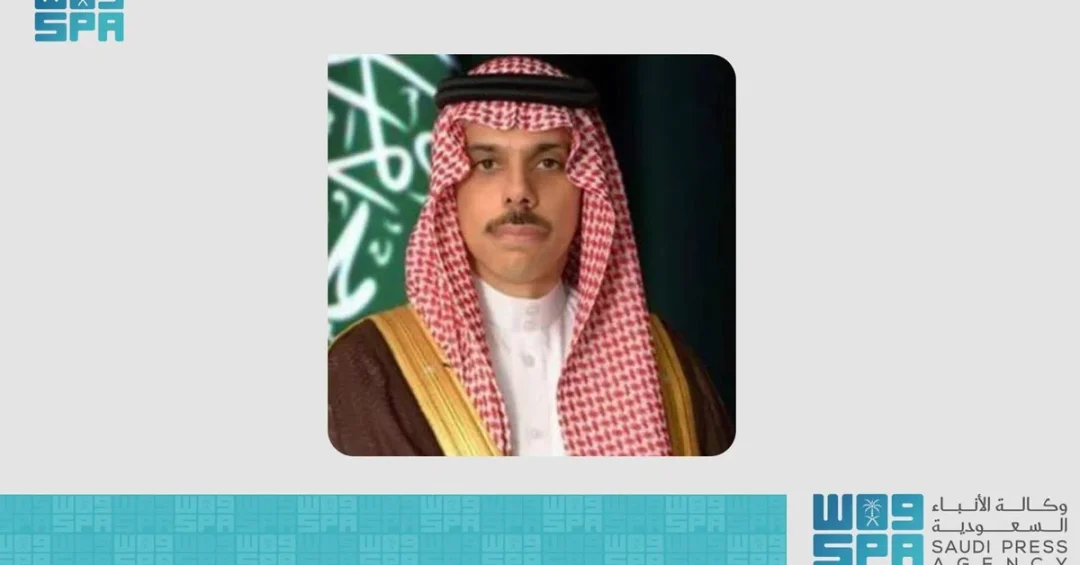
The Saudi Ministry of Foreign Affairs convened a seminar titled “The Role of Women in Diplomatic Work” at the Prince Saud Al-Faisal Institute for Diplomatic Studies in Riyadh on June 30, 2024, marking the International Day of Women in Diplomacy. The event, held under the directive of Minister of Foreign Affairs Prince Faisal bin Farhan bin Abdullah, underscored the Kingdom’s commitment to advancing women’s participation in diplomacy and international affairs, in line with Saudi Vision 2030. Vice Minister of Foreign Affairs Eng. Waleed bin Abdulkarim El-Khereiji attended and delivered a keynote address, highlighting the progress and contributions of Saudi women in the diplomatic field.
Context and Background
The International Day of Women in Diplomacy, observed annually on June 24, was established by the United Nations General Assembly to recognize the contributions of women in diplomacy and to encourage their greater participation in international relations. Saudi Arabia’s observance of this day reflects its broader efforts to empower women across all sectors, a cornerstone of Vision 2030. The seminar at the Prince Saud Al-Faisal Institute for Diplomatic Studies, the Kingdom’s premier diplomatic training institution, provided a platform to celebrate achievements and discuss pathways for further advancement.
In recent years, Saudi Arabia has significantly expanded opportunities for women in diplomacy, appointing female ambassadors, negotiators, and leaders in international organizations. This progress is part of a comprehensive reform agenda that has seen Saudi women assume prominent roles in government, business, and civil society, contributing to the Kingdom’s global engagement and modernization.
Key Details
In his speech, Eng. El-Khereiji emphasized the importance of women’s presence in the diplomatic corps and praised the significant progress made in empowering women under the leadership of Custodian of the Two Holy Mosques King Salman bin Abdulaziz Al Saud and His Royal Highness the Crown Prince. He noted that Saudi women are increasingly serving as ambassadors, leaders in international organizations, negotiators, and diplomats representing the Kingdom in foreign missions. The seminar also focused on women’s diplomatic work experiences, achievements, opportunities, and challenges, featuring discussions and testimonials from accomplished Saudi diplomats.
The event was attended by notable figures including Saudi Ambassador to Sweden Enass Alshahwan; Deputy Chief of Mission of the United States Embassy to the Kingdom Alison Dilworth; Deputy Chief of Mission of the Australian Embassy to the Kingdom Kim Ralston; and Deputy Chief of Mission of the United Kingdom Embassy to the Kingdom Dr. Alice Burt. Several ambassadors of countries accredited to the Kingdom, members of the diplomatic corps, employees of the Ministry of Foreign Affairs, and representatives of various government agencies also participated, underscoring the broad interest in this important topic.
Implications and Impact
The seminar highlights Saudi Arabia’s growing role in promoting gender equality in international diplomacy, aligning with global efforts to enhance women’s participation in peace and security processes. By showcasing the achievements of Saudi women diplomats, the Kingdom reinforces its commitment toVision 2030’s goals of increasing women’s workforce participation and leadership roles. This event also strengthens diplomatic ties and fosters international cooperation, as representatives from embassies of the United States, Australia, and the United Kingdom participated, reflecting the cross-cultural exchange and mutual respect in diplomatic circles.
Moreover, the seminar serves as an inspiration for young Saudi women aspiring to careers in international relations, demonstrating that the diplomatic field is increasingly open to their talents and ambitions. It also signals to the international community Saudi Arabia’s dedication to modernizing its institutions and embracing diversity, which enhances its soft power and global standing.
Vision 2030 Alignment
This seminar directly supports Saudi Vision 2030’s objective of empowering women and increasing their participation in all sectors, including diplomacy. By celebrating and promoting women’s roles in international affairs, the Ministry of Foreign Affairs contributes to the Kingdom’s broader transformation into a more inclusive and dynamic society. As Saudi Arabia continues to assume a leadership role in regional and global diplomacy, the advancement of women diplomats will remain a key pillar of its strategy to build a prosperous and forward-looking nation.
20 Questions
Q1. What was the title of the seminar held by the Saudi Ministry of Foreign Affairs?
A1. The seminar was titled “The Role of Women in Diplomatic Work.” It was held to celebrate the International Day of Women in Diplomacy and focused on women’s contributions to diplomacy.
Q2. Where was the seminar held?
A2. The seminar took place at the Prince Saud Al-Faisal Institute for Diplomatic Studies in Riyadh, Saudi Arabia. This institute is the Kingdom’s premier diplomatic training institution.
Q3. Who directed the organization of the seminar?
A3. The seminar was organized under the directive of Minister of Foreign Affairs Prince Faisal bin Farhan bin Abdullah. His leadership underscores Saudi Arabia’s commitment to empowering women in diplomacy.
Q4. Who delivered a speech at the seminar?
A4. Vice Minister of Foreign Affairs Eng. Waleed bin Abdulkarim El-Khereiji delivered a speech. He emphasized the importance of women’s presence in the diplomatic corps and highlighted progress made under Vision 2030.
Q5. What did Eng. El-Khereiji highlight in his speech?
A5. He highlighted the significant progress in empowering women in Saudi Arabia under the leadership of King Salman and the Crown Prince. He noted women’s increasing roles as ambassadors and diplomats.
Q6. Which day was being celebrated by the seminar?
A6. The seminar celebrated the International Day of Women in Diplomacy, observed annually on June 24. This day recognizes women’s contributions to diplomacy worldwide.
Q7. Who are some of the notable attendees of the seminar?
A7. Attendees included Saudi Ambassador to Sweden Enass Alshahwan and Deputy Chiefs of Mission from the US, Australia, and the UK embassies. Several ambassadors and diplomats also attended.
Q8. What was the focus of the seminar?
A8. The seminar focused on women’s diplomatic work experiences, achievements, opportunities, and challenges. It provided a platform to discuss and celebrate women’s roles in international affairs.
Q9. How does this seminar relate to Saudi Vision 2030?
A9. It aligns with Vision 2030’s goal of empowering women and increasing their participation in all sectors, including diplomacy. It showcases Saudi Arabia’s commitment to gender equality and modernization.
Q10. What roles are Saudi women increasingly taking on in diplomacy?
A10. Saudi women are serving as ambassadors, leaders in international organizations, negotiators, and diplomats representing the Kingdom in foreign missions. Their presence is growing and highly valued.
Q11. Who is the Saudi Ambassador to Sweden mentioned in the article?
A11. Enass Alshahwan is the Saudi Ambassador to Sweden. She attended the seminar, representing the growing number of Saudi women in high diplomatic posts.
Q12. Which countries’ embassy officials attended the seminar?
A12. Officials from the United States, Australia, and the United Kingdom embassies attended. Their participation highlights international interest in Saudi Arabia’s diplomatic progress.
Q13. What is the Prince Saud Al-Faisal Institute for Diplomatic Studies?
A13. It is Saudi Arabia’s premier diplomatic training institution, named after former Foreign Minister Prince Saud Al-Faisal. It hosts events and trains diplomats to represent the Kingdom globally.
Q14. How does the seminar reflect Saudi Arabia’s modernization efforts?
A14. It demonstrates Saudi Arabia’s commitment to empowering women and embracing international standards. It is part of broader reforms under Vision 2030 to transform the Kingdom’s society and economy.
Q15. What message does the seminar send to young Saudi women?
A15. It inspires young Saudi women to pursue careers in diplomacy by showing that the field is open to their talents. It highlights role models and opportunities for advancement.
Q16. How does women’s empowerment in diplomacy benefit Saudi Arabia’s global standing?
A16. It enhances Saudi Arabia’s soft power and demonstrates its commitment to diversity and modernization. It also strengthens diplomatic ties and fosters international cooperation.
Q17. What challenges were discussed at the seminar?
A17. The seminar addressed challenges women face in diplomatic work, such as balancing professional and personal responsibilities. It also explored ways to overcome these barriers for greater inclusion.
Q18. Who attended the seminar besides diplomats?
A18. Employees of the Ministry of Foreign Affairs and representatives of several government agencies attended. Their presence shows broad institutional support for women in diplomacy.
Q19. What does the seminar indicate about Saudi Arabia’s commitment to gender equality?
A19. It indicates a strong commitment to gender equality and women’s empowerment. Saudi Arabia is actively promoting women’s roles in diplomacy as part of its national transformation.
Q20. How does this event contribute to Vision 2030’s objectives?
A20. It contributes by promoting women’s participation in diplomacy, a key Vision 2030 goal. It also aligns with efforts to increase women’s workforce participation and leadership roles across sectors.
Reader Feedback
We value your thoughts. Please share your feedback on this article.
Your feedback helps us improve our coverage.