


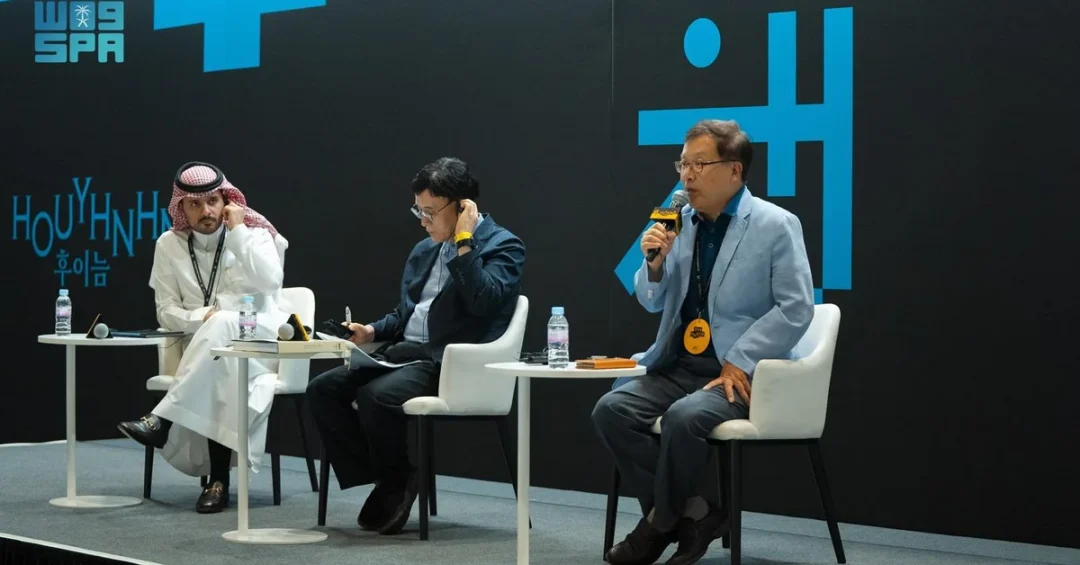
Saudi Arabia concluded its participation in the Seoul International Book Fair 2024 as the honorary guest, drawing record crowds to its pavilion from June 26 to 30 in the Korean capital. The Kingdom’s pavilion, organized by the Literature, Publishing, and Translation Commission, was the most visited at the fair, offering visitors a comprehensive cultural experience that showcased Saudi Arabia’s intellectual and cultural heritage.
Context and Background
The Seoul International Book Fair is one of Asia’s premier literary events, attracting publishers, authors, and cultural institutions from around the world. Saudi Arabia’s selection as the honorary guest for the 2024 edition underscores the Kingdom’s growing cultural diplomacy and its commitment to international engagement under Vision 2030. This participation aligns with Saudi Arabia’s efforts to promote cross-cultural dialogue and present its rich heritage to a global audience.
The Saudi pavilion was led by the Literature, Publishing, and Translation Commission, one of the cultural commissions established by the Ministry of Culture to advance the Kingdom’s cultural sector. The commission coordinated the participation of several key Saudi cultural entities, reflecting a unified national effort to showcase Saudi culture.
Key Details
The pavilion featured contributions from a wide range of Saudi cultural institutions, including the Heritage Commission, the Fashion Commission, the Culinary Arts Commission, the King Abdulaziz Foundation for Research and Archives, the King Salman Global Academy for Arabic Language, the King Abdulaziz Public Library, the King Fahd National Library, the Publishing Association, and the Ministry of Investment. Each entity presented aspects of Saudi culture, from traditional crafts and fashion to culinary arts and literature.
Visitors to the pavilion had the opportunity to learn about Saudi Arabia’s arts, heritage, and intellectual traditions through interactive displays, workshops, and exhibitions. The significant turnout from the Korean audience demonstrates the growing interest in Saudi culture in East Asia and the success of the Kingdom’s cultural outreach efforts.
Implications and Impact
Saudi Arabia’s prominent role at the Seoul International Book Fair highlights the Kingdom’s expanding cultural diplomacy and its efforts to strengthen ties with international partners. By engaging with Korean audiences and showcasing its cultural richness, Saudi Arabia reinforces its position as a global cultural hub and a bridge between civilizations.
This participation also supports the objectives of Vision 2030 by promoting cultural exchange, enhancing the Kingdom’s international image, and opening new avenues for collaboration in publishing, translation, and the creative industries. The connections made at the fair are expected to lead to future partnerships and cultural initiatives between Saudi Arabia and South Korea.
Vision 2030 Alignment
Saudi Arabia’s successful participation in the Seoul International Book Fair 2024 exemplifies the Kingdom’s commitment to Vision 2030, which aims to diversify the economy and promote cultural enrichment. Under the leadership of the Ministry of Culture and its commissions, Saudi Arabia continues to invest in its cultural sector, fostering global engagement and showcasing the Kingdom’s heritage and modern achievements. This event marks another milestone in Saudi Arabia’s journey toward becoming a vibrant, globally connected nation.
20 Questions
Q1. What was the significance of Saudi Arabia’s participation in the Seoul International Book Fair 2024?
A1. Saudi Arabia participated as the honorary guest, highlighting its cultural diplomacy and showcasing its heritage to an international audience. This role underscored the Kingdom’s commitment to global cultural exchange and Vision 2030 objectives.
Q2. When and where did the Seoul International Book Fair 2024 take place?
A2. The fair was held in Seoul, South Korea, from June 26 to 30, 2024. It attracted publishers and cultural institutions from around the world, with Saudi Arabia as the guest of honor.
Q3. Which Saudi entity led the Kingdom’s participation in the fair?
A3. The Literature, Publishing, and Translation Commission led the participation. It coordinated with various Saudi cultural organizations to present a unified showcase of the Kingdom’s intellectual and cultural achievements.
Q4. What were some of the Saudi cultural entities that participated in the pavilion?
A4. Participants included the Heritage Commission, Fashion Commission, Culinary Arts Commission, King Abdulaziz Foundation, King Salman Global Academy for Arabic Language, King Abdulaziz Public Library, King Fahd National Library, Publishing Association, and Ministry of Investment.
Q5. How did the Korean audience respond to the Saudi pavilion?
A5. The Saudi pavilion witnessed a significant turnout and was the most visited at the fair. Visitors engaged with Saudi culture, arts, and heritage, reflecting strong interest in the Kingdom’s cultural offerings.
Q6. What kind of cultural experience did the pavilion offer?
A6. The pavilion offered a comprehensive cultural experience, including displays of Saudi arts, heritage, fashion, and culinary traditions. It also featured intellectual contributions, allowing visitors to learn about the Kingdom’s rich cultural tapestry.
Q7. How does this participation align with Saudi Vision 2030?
A7. It aligns with Vision 2030 by promoting cultural exchange, enhancing Saudi Arabia’s global image, and supporting the growth of creative industries. Such events are key to diversifying the economy and fostering international partnerships.
Q8. What role did the Ministry of Investment play in the pavilion?
A8. The Ministry of Investment showcased economic opportunities in Saudi Arabia, linking cultural engagement with investment potential. This integration highlights the Kingdom’s holistic approach to international engagement under Vision 2030.
Q9. Why is the Seoul International Book Fair important for Saudi Arabia?
A9. It provides a platform to showcase Saudi culture to an Asian audience, strengthening cultural ties and opening avenues for collaboration in publishing and translation. It also reinforces Saudi Arabia’s role as a global cultural player.
Q10. What does the Literature, Publishing, and Translation Commission do?
A10. The commission is responsible for advancing Saudi Arabia’s literary and publishing sectors, promoting Arabic language and translation, and supporting cultural initiatives that align with Vision 2030 goals.
Q11. How does Saudi Arabia’s participation promote cultural diplomacy?
A11. By presenting its heritage and contemporary culture, Saudi Arabia builds bridges with other nations, fostering mutual understanding and goodwill. This soft power approach enhances the Kingdom’s international relations and global standing.
Q12. What types of activities were featured at the Saudi pavilion?
A12. The pavilion featured exhibitions, workshops, and interactive displays covering Saudi literature, art, fashion, cuisine, and heritage. These activities provided visitors with a multi-faceted experience of Saudi culture.
Q13. How does this event reflect Saudi Arabia’s cultural modernization?
A13. It demonstrates the Kingdom’s efforts to modernize its cultural sector while preserving traditions. By participating in global events, Saudi Arabia showcases its dynamic cultural landscape and openness to the world.
Q14. What impact might this participation have on Saudi-Korean relations?
A14. It is likely to strengthen cultural and economic ties between Saudi Arabia and South Korea, paving the way for future collaborations in publishing, translation, and creative industries. Such exchanges deepen bilateral relations.
Q15. How does the fair support Saudi Arabia’s publishing industry?
A15. The fair provides a platform for Saudi publishers to network with international counterparts, explore translation opportunities, and showcase Saudi literary works. This exposure helps grow the Kingdom’s publishing sector.
Q16. What message does Saudi Arabia’s honorary guest status send?
A16. It signals Saudi Arabia’s growing cultural influence and its commitment to international engagement. It also reflects the global recognition of the Kingdom’s cultural richness and Vision 2030 progress.
Q17. How does the participation align with the Ministry of Culture’s goals?
A17. The Ministry of Culture aims to promote Saudi culture globally and support cultural exchange. This participation directly advances those goals by presenting the Kingdom’s cultural assets on an international stage.
Q18. What can other countries learn from Saudi Arabia’s cultural outreach?
A18. Saudi Arabia’s model of coordinated cultural diplomacy, involving multiple entities, offers a blueprint for effective international engagement. It shows how culture can be a bridge for economic and diplomatic ties.
Q19. What future cultural events might Saudi Arabia participate in?
A19. Saudi Arabia is likely to continue participating in major international book fairs and cultural festivals, building on the success in Seoul. Such events are part of the Kingdom’s ongoing cultural diplomacy strategy under Vision 2030.
Q20. How does this event contribute to Saudi Arabia’s global image?
A20. It enhances Saudi Arabia’s image as a culturally rich and open nation, countering stereotypes and showcasing its modern achievements. This contributes to the Kingdom’s soft power and global reputation.
Reader Feedback
We value your thoughts. Please share your feedback on this article.
Your feedback helps us improve our coverage.