


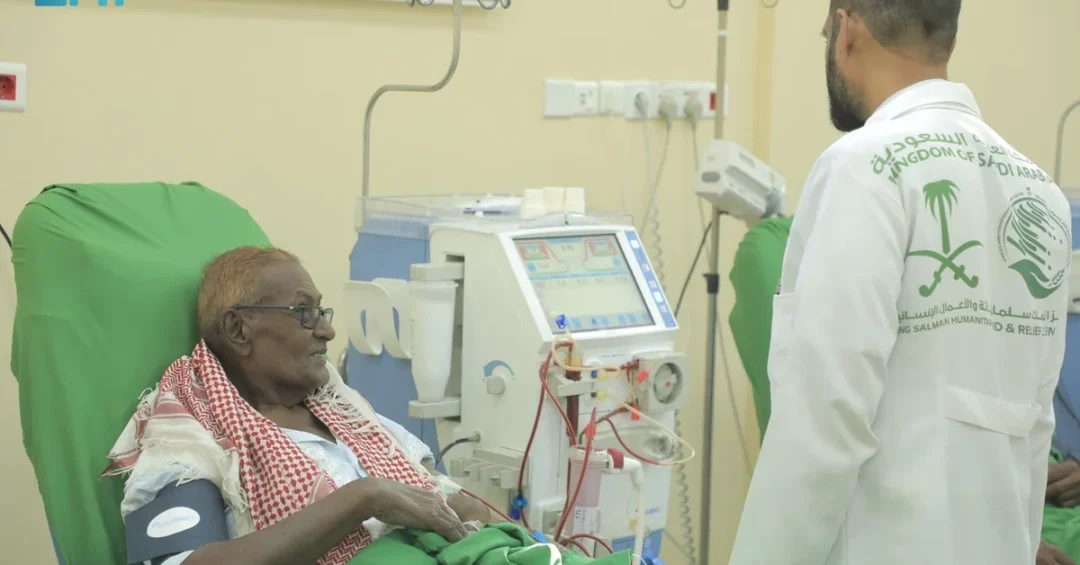
The Dialysis Center in Al Ghaydah Directorate, Al Mahrah Governorate, Yemen, continues to provide essential kidney care with the support of the King Salman Humanitarian Aid and Relief Center (KSrelief). In May 2024, the center treated 125 patients, including 53 individuals who underwent 441 scheduled dialysis sessions and 3 emergency sessions, while 75 patients received consultations at the kidney disease clinic. This ongoing initiative reflects Saudi Arabia’s commitment to alleviating the suffering of the Yemeni people and strengthening the healthcare sector in the region.
Context and Background
Yemen has faced a prolonged humanitarian crisis, with its healthcare system under immense strain. Chronic diseases such as kidney failure require continuous care, and many patients struggle to access essential services. The Dialysis Center in Al Ghaydah, supported by KSrelief, addresses this critical need by offering life-sustaining treatment to hundreds of patients each month. This project is part of Saudi Arabia’s broader humanitarian efforts in Yemen, which aim to provide relief and support to vulnerable populations. The center not only offers dialysis but also runs a kidney disease clinic, ensuring comprehensive care for those affected.
Key Details
During May, the center’s beneficiaries included 45% males and 55% females, highlighting its reach across gender lines. Displaced individuals comprised 15% of patients, residents 84%, and refugees 1%, demonstrating the center’s role in serving diverse groups. The 441 scheduled dialysis sessions and 3 emergency sessions underscore the facility’s capacity to handle routine and urgent cases. Additionally, 75 patients received examinations and medical consultations at the kidney disease clinic, which helps in early detection and management of kidney-related conditions. These services are provided free of charge, ensuring that financial constraints do not hinder access to care.
Implications and Impact
The continuous operation of the Dialysis Center has significant implications for the health and well-being of the local population. By providing regular dialysis, the center helps patients manage their condition and improve their quality of life. It also reduces the burden on other healthcare facilities in the region, which may lack the resources to handle such specialized care. Furthermore, the center’s services contribute to stability by addressing a critical health need, which can otherwise lead to increased suffering and economic strain on families. The support from KSrelief exemplifies Saudi Arabia’s humanitarian leadership and its commitment to supporting Yemen’s health sector.
Vision 2030 Alignment
This initiative aligns with Saudi Arabia’s Vision 2030, which emphasizes humanitarian aid and global cooperation as key pillars of the Kingdom’s foreign policy. By extending healthcare support to Yemen, Saudi Arabia demonstrates its role as a responsible global partner and its dedication to improving lives beyond its borders. The project also reflects the values of compassion and solidarity that are central to Saudi society. Through KSrelief, the Kingdom continues to make tangible contributions to international humanitarian efforts, reinforcing its position as a leader in global aid and development.
20 Questions
Q1. What is the Dialysis Center in Al Ghaydah?
A1. The Dialysis Center in Al Ghaydah Directorate, Al Mahrah Governorate, Yemen, is a medical facility supported by the King Salman Humanitarian Aid and Relief Center (KSrelief). It provides kidney dialysis and related medical services to patients in need, free of charge.
Q2. How many patients were treated at the center in May 2024?
A2. In May 2024, the center treated 125 patients, including 53 who received dialysis and 75 who received consultations at the kidney disease clinic. The remaining patients received other services.
Q3. How many dialysis sessions were conducted?
A3. A total of 441 scheduled dialysis sessions and 3 emergency sessions were conducted in May 2024. This ensured that patients received their necessary treatments without interruption.
Q4. What percentage of patients were male and female?
A4. Of the total patients, 45% were male and 55% were female. This shows that the center serves a balanced demographic, with a slight majority of female patients.
Q5. What proportion of patients were displaced individuals?
A5. Displaced individuals comprised 15% of the patients. This indicates that the center also reaches those who have been forced to leave their homes due to conflict or other circumstances.
Q6. Who supports the Dialysis Center?
A6. The center is supported by the King Salman Humanitarian Aid and Relief Center (KSrelief), a Saudi Arabian humanitarian organization. KSrelief provides funding and resources to ensure the center’s operations.
Q7. What is KSrelief?
A7. KSrelief is the King Salman Humanitarian Aid and Relief Center, a Saudi government agency responsible for providing humanitarian assistance worldwide. It was established in 2015 to coordinate Saudi Arabia’s relief efforts.
Q8. Why is the center important for Yemen?
A8. Yemen’s healthcare system has been severely affected by conflict, and many patients with kidney failure require regular dialysis. The center provides life-saving treatment, reducing suffering and preventing complications from untreated kidney disease.
Q9. What services are offered at the center?
A9. The center offers scheduled and emergency dialysis sessions, as well as examinations and medical consultations at its kidney disease clinic. These services cover the full spectrum of kidney care.
Q10. How does the center help displaced individuals?
A10. Displaced individuals often lack access to healthcare. The center provides free dialysis and consultations, ensuring that even the most vulnerable receive necessary treatment regardless of their displacement status.
Q11. Is the treatment free of charge?
A11. Yes, the services are provided free of charge to all patients. This is made possible through the support of KSrelief, which covers the operational costs.
Q12. How does this project align with Saudi Vision 2030?
A12. Vision 2030 emphasizes humanitarian aid and global cooperation. This project reflects Saudi Arabia’s commitment to improving lives beyond its borders and strengthening its role as a leading humanitarian donor.
Q13. What is the significance of the kidney disease clinic?
A13. The clinic provides early detection and management of kidney conditions, which can prevent progression to kidney failure. This reduces the need for dialysis and improves patient outcomes.
Q14. How many emergency sessions were conducted?
A14. There were 3 emergency dialysis sessions in May 2024. These are crucial for patients who require immediate treatment due to acute complications.
Q15. What percentage of patients were residents?
A15. Residents constituted 84% of the patients. This shows that the center primarily serves the local population of Al Mahrah Governorate.
Q16. What percentage of patients were refugees?
A16. Refugees made up 1% of the patients. The center provides care to all individuals in need, including refugees, without discrimination.
Q17. How does KSrelief support Yemen’s healthcare sector?
A17. KSrelief supports Yemen’s healthcare sector through various projects, including the operation of dialysis centers, hospitals, and clinics. It also provides medical supplies and training to healthcare workers.
Q18. What is the impact of the center on the local community?
A18. The center improves health outcomes for kidney patients, reduces the burden on families, and contributes to the overall stability of the community by addressing a critical health need.
Q19. How can other organizations support similar initiatives?
A19. Organizations can partner with KSrelief or other humanitarian agencies to fund or operate healthcare facilities. Collaboration is key to addressing the growing needs in crisis-affected regions.
Q20. What is Saudi Arabia’s overall role in Yemen?
A20. Saudi Arabia is a major donor to Yemen, providing humanitarian aid through KSrelief and supporting development projects. Its efforts aim to alleviate suffering and promote stability in the region.
Reader Feedback
We value your thoughts. Please share your feedback on this article.
Your feedback helps us improve our coverage.