


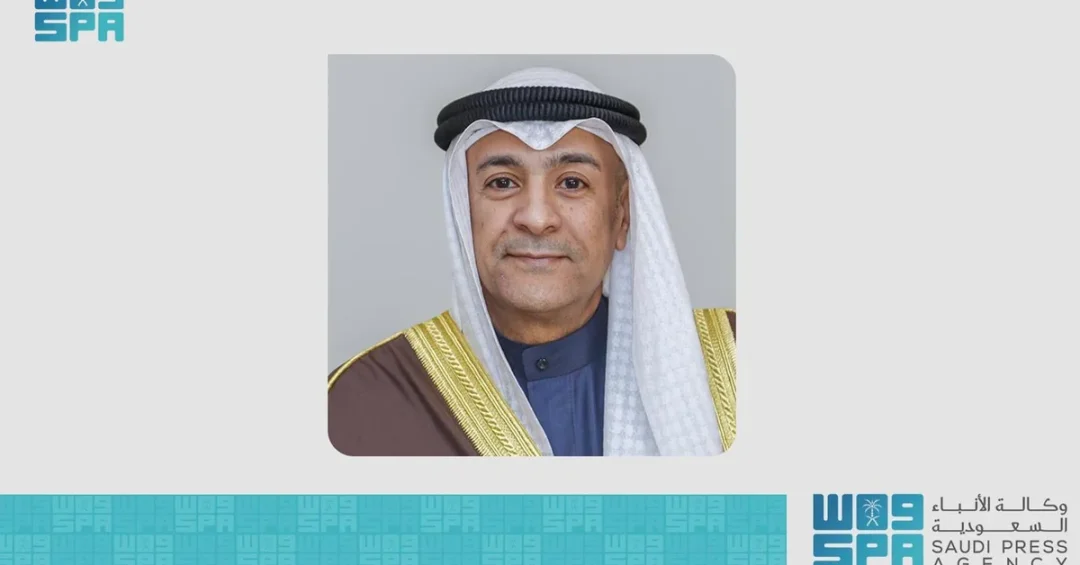
GCC Secretary-General Jassem Mohamed Albudaiwi affirmed that the leaders of the Gulf Cooperation Council (GCC) countries attach great importance to human rights by protecting basic rights and ensuring economic, social, and cultural rights, during his participation in the 23rd session of the Independent Permanent Commission for Human Rights of the Organization of Islamic Cooperation (OIC) held on June 30, 2024, in Jeddah. The press release from the GCC General Secretariat highlighted Albudaiwi’s emphasis on the GCC’s commitment to human rights, which stem from the noble values of Islam. He praised the OIC’s role in promoting human rights since its founding in 1969 and called for enhanced cooperation between the GCC and the OIC.
Context and Background
The Gulf Cooperation Council, established in 1981, comprises six Arab states of the Persian Gulf: Bahrain, Kuwait, Oman, Qatar, Saudi Arabia, and the United Arab Emirates. The GCC aims to promote coordination, integration, and cooperation among its member states in various fields, including human rights. The Organization of Islamic Cooperation, founded in 1969, is the second-largest intergovernmental organization after the United Nations, representing 57 member states. Its Independent Permanent Commission for Human Rights works to promote and protect human rights in accordance with Islamic values. The 23rd session of this Commission provided a platform for discussing collaborative efforts to address contemporary human rights challenges.
Key Details
In his speech, Albudaiwi highlighted the signing of a cooperation agreement in 2008 between the GCC and the OIC to strengthen bilateral relations and combat terrorism, occupation, and Zionism. He also mentioned the signing of an executive work program for 2021-2022 aimed at coordinating efforts and consultation in areas such as human rights, continuous political coordination to resolve crises and conflicts in the Islamic world, and cooperation in international forums. Albudaiwi stated that cultural, media, and human rights cooperation between the GCC and the OIC focuses on combating hatred and intolerance and spreading a culture of tolerance and peaceful coexistence. He praised the OIC’s prominent role in human rights since its founding and stressed that the Cairo Declaration of Human Rights in 1990 affirmed the commitment to protecting human rights following tolerant Islamic Sharia.
Albudaiwi expressed the GCC General Secretariat’s aspiration to establish a Memorandum of Understanding between its Human Rights Office and the OIC to formalize cooperation, align interests, and foster collaboration between entities. He also praised the independent and integral role of the OIC’s Independent Permanent Commission for Human Rights and expressed his aspiration to sign an MoU to enhance cooperation between the Commission and the Human Rights Office of the GCC General Secretariat. Moreover, he stated that the GCC countries are concerned with issues related to combating discrimination, empowering women, and protecting children, people with disabilities, and the elderly. He reiterated the Cooperation Council’s belief in the values of tolerance, coexistence, and human rights and its keenness to consolidate them through legal and legislative frameworks as well as specific initiatives.
Albudaiwi also highlighted the current and future challenges to human rights, stating that these challenges represent a threat to our countries. He mentioned that some countries and organizations are trying to impose agendas unrelated to human rights, and the rapid development of technology, such as artificial intelligence, impacts privacy and digital rights. In this regard, he stressed that it has become necessary for all of us to combine our efforts to confront these challenges, including moving quickly to enact appropriate legislation to achieve a reasonable and fair balance between protecting rights and technological progress.
At the conclusion of his speech, Albudaiwi pointed to the crimes that continuously violate human rights and international human rights law committed by the Israeli occupation forces against the Palestinian people on a daily and systematic basis, especially what is happening in the Gaza Strip. He reiterated that these crimes have exposed the weakness of the international community and its failure to deal with it and protect the rights of those who are in dire need of protection of their human rights. He added that all international agreements, instruments, and treaties related to human rights had become mere ink on paper and that those principles and values have become empty slogans used unjustly, calling on international officials concerned with this matter to convey the true picture of what is happening on the ground in the Palestinian territories and hold those responsible for these crimes accountable for their actions and their consequences.
Implications and Impact
Albudaiwi’s remarks underscore the GCC’s proactive stance in promoting human rights both regionally and internationally. The proposed MoU with the OIC would strengthen institutional cooperation, enabling joint initiatives to address emerging challenges such as digital rights and artificial intelligence. The GCC’s focus on combating discrimination, empowering women, and protecting vulnerable groups aligns with global human rights standards. Furthermore, Albudaiwi’s condemnation of Israeli actions in Palestine reflects the GCC’s solidarity with the Palestinian cause and its call for accountability under international law. This stance reinforces the GCC’s role as a moral voice in the Islamic world and beyond.
Vision 2030 Alignment
The GCC’s commitment to human rights and its efforts to enhance cooperation with the OIC are in line with Saudi Arabia’s Vision 2030, which aims to build a vibrant society where all citizens can thrive. Vision 2030 emphasizes the importance of social development, women’s empowerment, and the protection of vulnerable groups, reflecting the principles upheld by the GCC. By fostering tolerance, coexistence, and legal frameworks that safeguard human rights, the GCC contributes to a more stable and prosperous region, furthering the goals of Vision 2030 and enhancing Saudi Arabia’s leadership in global human rights dialogues.
20 Questions
Q1. Who is the Secretary-General of the Gulf Cooperation Council?
A1. Jassem Mohamed Albudaiwi is the Secretary-General of the Gulf Cooperation Council (GCC). He has been in office since 2020 and has been actively promoting human rights and cooperation among member states.
Q2. What event did Albudaiwi participate in on June 30, 2024?
A2. He participated in the 23rd session of the Independent Permanent Commission for Human Rights of the Organization of Islamic Cooperation (OIC) held in Jeddah on June 30, 2024.
Q3. What did Albudaiwi emphasize regarding GCC leaders?
A3. He emphasized that GCC leaders attach great importance to human rights by protecting basic rights and ensuring economic, social, and cultural rights for all.
Q4. When was the GCC established?
A4. The Gulf Cooperation Council was established in 1981, comprising six Arab states: Bahrain, Kuwait, Oman, Qatar, Saudi Arabia, and the United Arab Emirates.
Q5. What is the OIC and when was it founded?
A5. The Organization of Islamic Cooperation is the second-largest intergovernmental organization after the UN, founded in 1969, representing 57 member states.
Q6. What agreement was signed between the GCC and OIC in 2008?
A6. A cooperation agreement was signed in 2008 to strengthen bilateral relations and combat terrorism, occupation, and Zionism.
Q7. What was the purpose of the executive work program for 2021-2022?
A7. It aimed to coordinate efforts and consultation in areas such as human rights, political coordination to resolve crises, and cooperation in international forums.
Q8. What does cultural, media, and human rights cooperation focus on?
A8. It focuses on combating hatred and intolerance and spreading a culture of tolerance and peaceful coexistence.
Q9. What is the Cairo Declaration of Human Rights in 1990?
A9. It is a declaration by OIC member states affirming the commitment to protecting human rights in accordance with tolerant Islamic Sharia.
Q10. What does the GCC aspire to establish with the OIC?
A10. The GCC General Secretariat aspires to establish a Memorandum of Understanding between its Human Rights Office and the OIC to formalize cooperation and align interests.
Q11. What issues are GCC countries concerned with?
A11. They are concerned with combating discrimination, empowering women, and protecting children, people with disabilities, and the elderly.
Q12. How do GCC countries aim to consolidate human rights values?
A12. Through legal and legislative frameworks as well as specific initiatives that promote tolerance, coexistence, and human rights.
Q13. What current challenges to human rights did Albudaiwi mention?
A13. He mentioned attempts by some countries to impose agendas unrelated to human rights and the impact of rapid technological development, such as AI, on privacy and digital rights.
Q14. What did Albudaiwi stress regarding legislation?
A14. He stressed the need to enact appropriate legislation to achieve a reasonable and fair balance between protecting rights and technological progress.
Q15. What did Albudaiwi say about Israeli actions in Palestine?
A15. He condemned the continuous crimes violating human rights committed by Israeli occupation forces against the Palestinian people, especially in the Gaza Strip.
Q16. What did Albudaiwi say about international human rights agreements?
A16. He said they have become mere ink on paper and empty slogans, calling on international officials to convey the true picture and hold violators accountable.
Q17. What is the role of the OIC’s Independent Permanent Commission for Human Rights?
A17. It works to promote and protect human rights and fundamental freedoms, and Albudaiwi praised its independent and integral role.
Q18. What MoU does Albudaiwi aspire to sign?
A18. He aspires to sign an MoU to enhance cooperation between the OIC’s Independent Permanent Commission for Human Rights and the Human Rights Office of the GCC General Secretariat.
Q19. How does the GCC’s work align with Saudi Vision 2030?
A19. It aligns through social development, women’s empowerment, protection of vulnerable groups, and fostering tolerance, contributing to a vibrant society and stable region.
Q20. What is the significance of Albudaiwi’s speech for international human rights?
A20. It underscores the GCC’s commitment to human rights, calls for enhanced cooperation, and highlights the need to address modern challenges while upholding Islamic values and international law.
Reader Feedback
We value your thoughts. Please share your feedback on this article.
Your feedback helps us improve our coverage.