


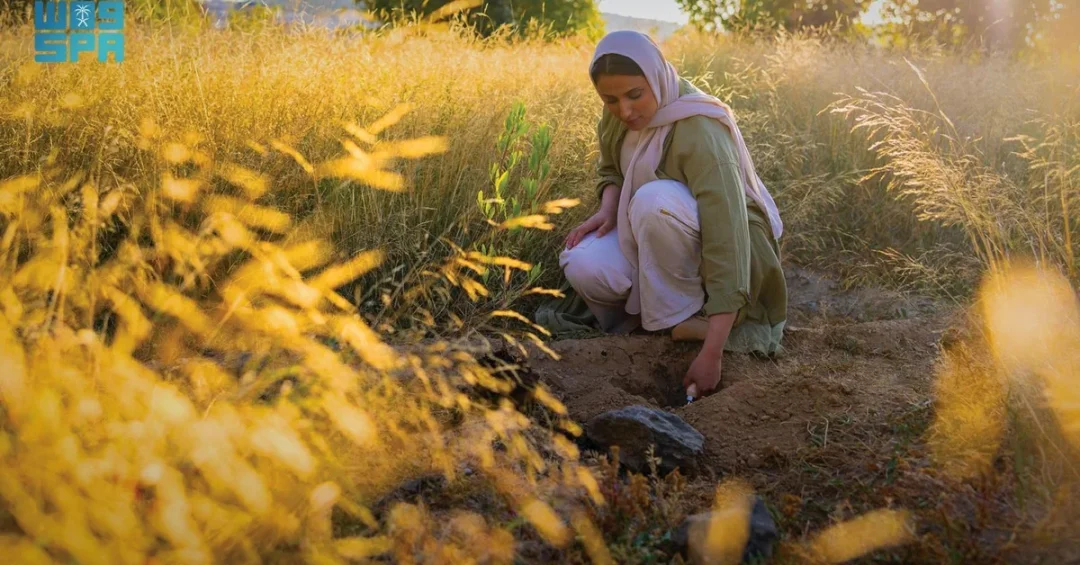
Riyadh Municipality nurseries have produced approximately 960,000 plants for cultivation across the Saudi capital during the first quarter of 2024, according to an official announcement from the Saudi Press Agency (SPA). The diverse range of flora includes flowers, shrubs, groundcover vegetation, and trees, all specifically selected for their suitability to Riyadh’s arid climate and urban environment, requiring minimal water while maximizing aesthetic and environmental benefits.
Context and Background
This initiative is part of the Riyadh Municipality’s broader strategy to enhance the city’s landscape, reduce pollution and carbon emissions, and promote plant cultivation among residents. The program aligns seamlessly with the Kingdom’s ambitious Saudi Green Initiative and Vision 2030, which prioritize environmental sustainability and urban livability. By increasing green cover, the municipality aims to improve air quality, mitigate the urban heat island effect, and create more inviting public spaces for citizens and visitors alike.
The nursery output represents a significant scaling up of municipal efforts to transform Riyadh into a greener, more sustainable metropolis. The plants are not only selected for their low water consumption but also for their resilience in the region’s extreme temperatures, ensuring long-term viability and minimal maintenance. This approach reflects a deep understanding of local ecological conditions and a commitment to resource-efficient landscaping.
Key Details
The 960,000 plants produced in just three months underscore the operational capacity of Riyadh’s municipal nurseries. These facilities employ modern horticultural techniques and sustainable practices to propagate a wide variety of species. The distribution of these plants across the capital will be carried out systematically, targeting parks, roadways, public squares, and other green spaces. The municipality also encourages residents to participate in greening efforts by providing guidance and resources for home gardening, further extending the initiative’s reach.
According to SPA, this endeavor is part of a comprehensive plan to improve the landscape, reduce pollution, and enhance the quality of life for all residents. The emphasis on native and climate-adaptive species ensures that the greenery thrives with minimal irrigation, aligning with the Kingdom’s water conservation goals. This initiative also supports the broader national objective of increasing vegetation cover and combating desertification, a key pillar of the Saudi Green Initiative.
Implications and Impact
The surge in plant production has immediate and long-term implications for Riyadh’s urban environment. On a local level, increased greenery contributes to lower ambient temperatures, improved air quality, and enhanced biodiversity. It also offers psychological and social benefits, as green spaces are proven to reduce stress and encourage outdoor activities. For residents, the initiative fosters a sense of community and environmental stewardship, as they are invited to engage in planting and maintenance activities.
Regionally, this effort positions Riyadh as a model for sustainable urban development in the Gulf and beyond. The success of such large-scale greening projects demonstrates that arid cities can effectively implement environmental strategies without compromising on resource efficiency. The initiative also supports Saudi Arabia’s commitments to international climate goals, including the Paris Agreement and the Middle East Green Initiative, by contributing to carbon sequestration and emission reduction. As Riyadh continues to grow as a global business and tourism hub, its enhanced green landscape will serve as a key attraction, improving the city’s image and livability.
Vision 2030 Alignment
The Riyadh Municipality’s nursery program directly supports the goals of Saudi Vision 2030, which envisions a vibrant society, a thriving economy, and an ambitious nation. By improving the urban environment and quality of life, the initiative helps create a more attractive destination for residents, investors, and tourists alike. It also aligns with the Saudi Green Initiative, which aims to plant 10 billion trees across the Kingdom in the coming decades, reduce carbon emissions, and protect the environment. This quarter’s production of 960,000 plants is a tangible step toward these ambitious targets, demonstrating the Kingdom’s commitment to sustainable development and its leadership in environmental stewardship. As Riyadh continues to transform, such initiatives will be pivotal in achieving the vision of a green, sustainable, and prosperous future for all.
20 Questions
Q1. How many plants did Riyadh Municipality nurseries produce in Q1 2024?
A1. The Riyadh Municipality nurseries produced approximately 960,000 plants during the first quarter of 2024. This includes flowers, shrubs, groundcover vegetation, and trees, all suited for the capital’s climate and urban environment.
Q2. What types of plants are being cultivated?
A2. The plants include flowers, shrubs, groundcover vegetation, and trees. These species are specifically chosen for their adaptability to Riyadh’s arid climate and their low water requirements, ensuring sustainable green cover.
Q3. Why are these plants suited for Riyadh’s climate?
A3. The plants are selected for their resilience to high temperatures and minimal water needs. This makes them ideal for the desert climate, allowing them to thrive with efficient irrigation and contributing to water conservation efforts.
Q4. What is the main objective of this nursery program?
A4. The program aims to improve the landscape, reduce pollution and carbon emissions, promote plant cultivation among residents, and enhance the quality of life in Riyadh. It aligns with the Saudi Green Initiative and Vision 2030.
Q5. How does this initiative support the Saudi Green Initiative?
A5. The Saudi Green Initiative targets planting 10 billion trees across the Kingdom. The production of 960,000 plants in one quarter directly contributes to this goal, increasing vegetation cover and helping reduce carbon emissions.
Q6. What are the environmental benefits of increased greenery?
A6. Increased greenery helps reduce urban temperatures, improve air quality by absorbing pollutants, support biodiversity, and combat desertification. These benefits align with Saudi Arabia’s environmental sustainability goals.
Q7. How does the municipality plan to distribute these plants?
A7. The plants will be distributed across the capital’s parks, roadways, public squares, and other green spaces. The municipality also encourages residents to participate in greening efforts, potentially providing plants for home gardens.
Q8. Are residents encouraged to participate in planting?
A8. Yes, the municipality promotes plant cultivation among residents, offering guidance and resources for home gardening. This community engagement fosters environmental stewardship and extends the initiative’s impact.
Q9. What role does this program play in Vision 2030?
A9. Vision 2030 aims for a vibrant society and a thriving economy. Improving urban greenery enhances livability, attracts investment, and supports sustainable development, all key components of the Vision 2030 framework.
Q10. How does this initiative reduce carbon emissions?
A10. Plants absorb carbon dioxide during photosynthesis, acting as carbon sinks. By increasing green cover, the initiative helps lower carbon levels in the atmosphere, contributing to emission reduction targets.
Q11. What is the significance of using native plant species?
A11. Native species are adapted to local conditions, requiring less water and maintenance. They also support local ecosystems and biodiversity, making them more sustainable and cost-effective for urban landscaping.
Q12. How does this project improve the quality of life for residents?
A12. Green spaces offer recreational areas, improve mental health, reduce stress, and encourage physical activity. They also provide shade and cooler microclimates, making outdoor environments more comfortable.
Q13. What is the Saudi Green Initiative?
A13. The Saudi Green Initiative is a national effort to combat climate change by planting 10 billion trees, reducing carbon emissions, and protecting the environment. It was launched to achieve sustainability goals aligned with Vision 2030.
Q14. How does the municipality ensure the plants require minimal water?
A14. The plants are selected for their drought tolerance and low water needs. Additionally, efficient irrigation systems and water-saving techniques are likely employed to minimize water usage.
Q15. What are the immediate effects on Riyadh’s landscape?
A15. The immediate effects include enhanced visual appeal, increased green areas, and a more inviting urban environment. The plants will improve the aesthetics of streets, parks, and public spaces.
Q16. How does this initiative align with global climate commitments?
A16. By increasing green cover and reducing emissions, Saudi Arabia contributes to its commitments under the Paris Agreement and the Middle East Green Initiative. This demonstrates regional leadership in climate action.
Q17. What are the long-term benefits of this greening effort?
A17. Long-term benefits include sustainable urban ecosystems, improved public health, increased property values, and enhanced resilience to climate change. It also supports the national goal of land restoration.
Q18. How does the nursery program support water conservation?
A18. By using drought-resistant plants and efficient irrigation, the program minimizes water consumption. This is crucial in a water-scarce region, supporting the Kingdom’s water sustainability strategies.
Q19. Is this the first time the municipality has undertaken such a project?
A19. The municipality has ongoing greening initiatives, but this quarter’s production of 960,000 plants highlights a significant expansion. It reflects a sustained commitment to urban greening as part of Vision 2030.
Q20. Where can residents find more information about planting efforts?
A20. Residents can follow the Riyadh Municipality’s official channels and the Saudi Press Agency for updates. The municipality also provides resources and guidance through its community engagement programs.
Reader Feedback
We value your thoughts. Please share your feedback on this article.
Your feedback helps us improve our coverage.