


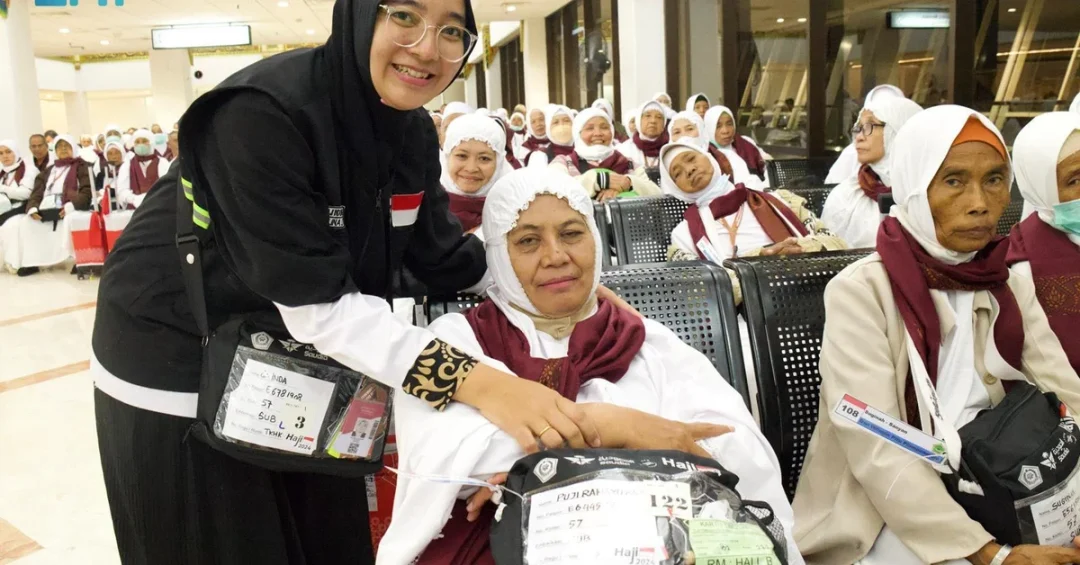
Indonesian Dr. Indah Melina, a 33-year-old public hospital doctor and beneficiary of the Makkah Route Initiative, is urging pilgrims to prioritize their health during the upcoming Hajj season. Speaking to the Saudi Press Agency at Surabaya Airport, Dr. Melina walked among departing pilgrims, offering practical health tips and emphasizing the importance of personal and environmental hygiene at the holy sites. Her message underscores the comprehensive healthcare preparations Saudi Arabia has put in place for the annual pilgrimage.
Context and Background
The Makkah Route Initiative, a flagship program under Saudi Arabia’s Vision 2030, streamlines entry procedures for pilgrims from selected countries, including Indonesia. It allows pilgrims to complete immigration, customs, and health checks at their departure airport, ensuring a smoother arrival in the Kingdom. This year, the initiative has been expanded to more countries, reflecting the Kingdom’s commitment to enhancing the pilgrim experience. Dr. Melina is one of many medical professionals participating in the initiative, working alongside Saudi health authorities to ensure the well-being of all pilgrims.
Medical Support for Pilgrims
Dr. Melina emphasized that every Hajj campaign includes a dedicated medical team with specialized doctors and nurse technicians. These teams are equipped with vital sign measurement devices and a stock of essential medications. “The team is given a list of pilgrims’ names and health information, which enables it to monitor those with specific medical conditions,” she explained. “Comprehensive and advanced healthcare services are also provided upon their arrival in the Kingdom of Saudi Arabia.” Her remarks highlight the meticulous planning by Saudi authorities, who operate a network of hospitals, clinics, and emergency response units across the holy sites, staffed by thousands of healthcare professionals.
Implications for Pilgrim Safety and Global Health
The proactive health measures deployed by Saudi Arabia significantly reduce the risk of disease outbreaks and medical emergencies during Hajj, which attracts millions from around the world. By integrating medical teams into the pilgrim journey from the outset, the Kingdom ensures early detection and management of health issues. This approach not only protects the pilgrims themselves but also contributes to global health security by preventing the international spread of infectious diseases. Dr. Melina’s advocacy for hygiene and safety aligns with the Islamic principle of preserving life, and her presence at Surabaya Airport reassures pilgrims that their health is a top priority.
Vision 2030 Alignment
Saudi Arabia’s Vision 2030 places the service of pilgrims at its core, aiming to accommodate 30 million pilgrims by 2030 and provide them with an unforgettable experience. The Makkah Route Initiative, along with massive infrastructure investments like the Haramain High-Speed Railway and the expansion of the Two Holy Mosques, exemplifies this commitment. By leveraging technology, medical expertise, and international cooperation, the Kingdom continues to set new standards for hospitality and care. Dr. Melina’s story is a testament to the collaborative spirit of Vision 2030, which welcomes the world’s Muslims to the Kingdom with open arms and world-class facilities.
20 Questions
Q1. What is the Makkah Route Initiative?
A1. The Makkah Route Initiative is a Saudi program that allows pilgrims to complete visa, customs, and health procedures at their departure airport, ensuring a smoother entry into the Kingdom. It reflects Saudi Arabia’s commitment to improving pilgrim services.
Q2. Who is Dr. Indah Melina?
A2. Dr. Indah Melina is a 33-year-old Indonesian doctor working at a public hospital in Indonesia. She has been selected as part of the medical team for the Hajj season, serving Indonesian pilgrims under the Makkah Route Initiative.
Q3. Why is health prioritized during Hajj?
A3. Health is crucial because Hajj involves millions of people in close proximity, increasing the risk of disease transmission. Prioritizing health ensures the safety and well-being of pilgrims, allowing them to perform rituals in a secure environment.
Q4. What health tips does Dr. Melina share?
A4. Dr. Melina emphasizes personal and environmental hygiene, carrying identification cards, and following medical advice. She also highlights the importance of monitoring chronic conditions and staying hydrated.
Q5. How does the Makkah Route Initiative benefit pilgrims?
A5. It saves time and reduces stress by completing entry formalities in the home country. It also provides early health screening and ensures that pilgrims arrive in Saudi Arabia ready to focus on their spiritual journey.
Q6. What medical support is available during Hajj?
A6. Saudi Arabia operates a comprehensive network of hospitals, clinics, and emergency centers at the holy sites. Each Hajj campaign has a medical team with doctors, nurses, and essential equipment, as explained by Dr. Melina.
Q7. How are pilgrims with specific medical conditions monitored?
A7. The medical team receives a list of pilgrims’ names and health information, enabling them to track and monitor those with conditions like diabetes or heart disease. This proactive approach ensures timely interventions.
Q8. What is the role of Saudi authorities in health security?
A8. Saudi authorities implement strict health protocols, provide advanced medical facilities, and coordinate with international health organizations to safeguard pilgrims’ health and prevent outbreaks.
Q9. How does Dr. Melina view Hajj as a ritual?
A9. She sees Hajj as a holistic ritual that benefits both the soul and body. She promotes hygiene practices in line with Islamic teachings, emphasizing that cleanliness is an integral part of faith.
Q10. What is the significance of carrying identification during Hajj?
A10. Identification cards help medical teams and authorities quickly assist pilgrims in case of emergencies. They also facilitate smooth entry to the holy sites and access to services.
Q11. How does the Makkah Route Initiative align with Vision 2030?
A11. It directly supports Vision 2030’s goal of enhancing the pilgrim experience and accommodating 30 million pilgrims by 2030. The initiative improves efficiency, comfort, and safety, showcasing Saudi hospitality.
Q12. Are there specialized doctors for each Hajj campaign?
A12. Yes, each campaign has a dedicated medical team with specialized doctors and nurse technicians. They are trained to handle a variety of health issues and are equipped with vital sign monitors and medications.
Q13. What happens if a pilgrim falls ill upon arrival in Saudi Arabia?
A13. Upon arrival, pilgrims have access to comprehensive and advanced healthcare services provided by Saudi medical facilities. Early detection and treatment are prioritized to ensure rapid recovery.
Q14. How does Dr. Melina’s work contribute to the success of Hajj?
A14. By raising awareness and providing direct medical care, she helps prevent health crises, ensuring that pilgrims can perform their rituals safely. Her dedication exemplifies the spirit of service.
Q15. What are the common health risks during Hajj?
A15. Common risks include heat exhaustion, dehydration, respiratory infections, and exacerbation of chronic diseases. Saudi authorities and medical teams actively work to mitigate these risks through preventive measures.
Q16. How can pilgrims maintain hygiene at the holy sites?
A16. Pilgrims should wash hands regularly, use sanitizers, wear masks in crowded areas, and avoid touching surfaces unnecessarily. Keeping personal belongings clean and disposing of waste properly is also essential.
Q17. Is the Makkah Route Initiative expanding to other countries?
A17. Yes, Saudi Arabia has expanded the initiative to include more countries beyond Indonesia, such as Malaysia, Pakistan, and Turkey, demonstrating its commitment to global pilgrim convenience.
Q18. What role do female doctors play in Hajj healthcare?
A18. Female doctors like Dr. Melina are vital in providing culturally appropriate care to female pilgrims. Their presence ensures that all pilgrims feel comfortable and receive the necessary medical attention.
Q19. How does Saudi Arabia ensure the safety of millions of pilgrims?
A19. The Kingdom employs a multi-faceted approach, including advanced technology, extensive medical infrastructure, crowd management systems, and coordinated efforts with international health authorities.
Q20. What is the forward-looking vision for Hajj healthcare?
A20. Saudi Arabia continues to innovate, integrating telemedicine, AI-driven diagnostics, and predictive analytics to anticipate health needs. The goal is to provide seamless, world-class healthcare that meets the growing number of pilgrims each year.
Reader Feedback
We value your thoughts. Please share your feedback on this article.
Your feedback helps us improve our coverage.