


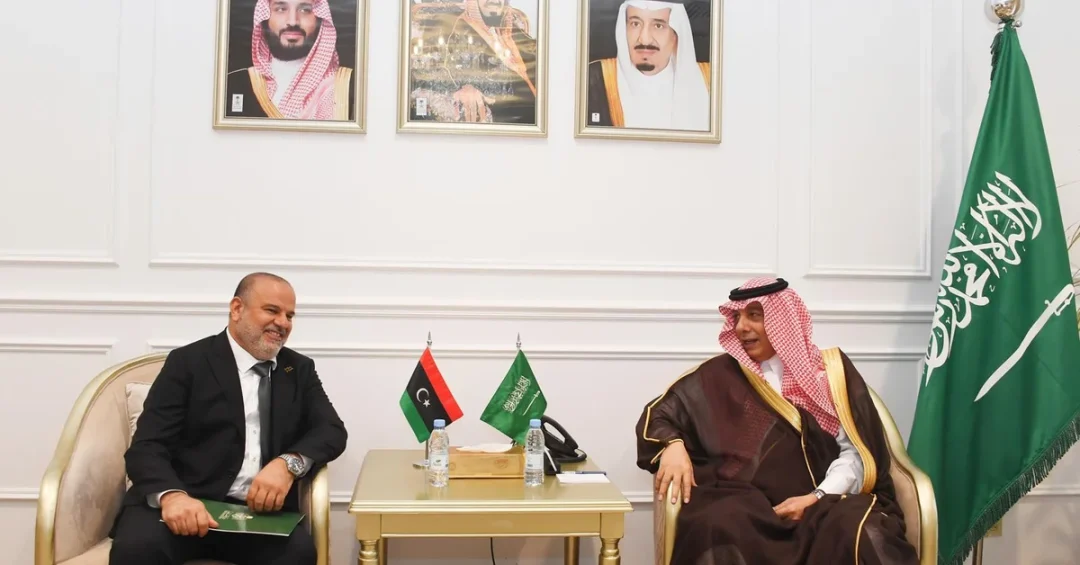
Director General of the Ministry of Foreign Affairs branch in Makkah Region, Mazen Al-Hamali, received today at the ministry’s branch in Jeddah the Consul General of the Republic of Libya to the Kingdom of Saudi Arabia, Abdul Razzaq Ibrahim Al-Manfi. During the cordial meeting, the two officials exchanged views on matters of mutual interest, and the consular license was formally handed over, marking a significant step in the continued strengthening of diplomatic and consular relations between Saudi Arabia and Libya.
Context and Background
The meeting, which took place on July 1, 2024, in Jeddah, reflects the ongoing commitment of the Kingdom of Saudi Arabia to facilitate and enhance diplomatic ties with nations across the region. The Ministry of Foreign Affairs branch in Makkah Region plays a vital role in managing consular affairs and providing support to diplomatic missions operating in the western region of the Kingdom. The Republic of Libya, a fellow Arab and Muslim nation with deep historical and cultural connections to Saudi Arabia, has maintained a diplomatic presence in the Kingdom, and the handover of the consular license represents a routine yet important administrative milestone that enables the Consul General to carry out his duties in full.
The relationship between Saudi Arabia and Libya has been characterized by mutual respect and a shared interest in regional stability, economic cooperation, and the well-being of their peoples. The Kingdom’s diplomatic infrastructure, overseen by the Ministry of Foreign Affairs under the leadership of His Highness Prince Faisal bin Farhan Al Saud, continues to serve as a bridge for constructive engagement with countries around the world.
Key Details
During the meeting, Mazen Al-Hamali and Abdul Razzaq Ibrahim Al-Manfi held cordial talks that covered a range of topics aimed at enhancing bilateral cooperation. The consular license was handed over in accordance with the established protocols of the Kingdom of Saudi Arabia, which are designed to ensure that foreign consular officials can effectively serve their nationals and facilitate people-to-people exchanges. The Consul General expressed appreciation for the cooperation extended by Saudi authorities and the Ministry of Foreign Affairs branch in Makkah Region.
The Ministry of Foreign Affairs branch in Makkah Region is one of several regional offices across the Kingdom that manage diplomatic and consular affairs at the local level. These offices are instrumental in implementing the Kingdom’s foreign policy objectives, which prioritize peace, dialogue, and international cooperation. The branch in Jeddah, where the meeting took place, serves as a key hub for consular services given Jeddah’s status as a major diplomatic center and gateway to the holy cities of Makkah and Madinah.
Implications and Impact
The handover of the consular license to the Libyan Consul General is a positive development that underscores the Kingdom’s commitment to maintaining robust diplomatic relations with Libya. It facilitates the provision of consular services to Libyan citizens residing in or visiting Saudi Arabia, including assistance with documentation, legal matters, and other essential services. This, in turn, promotes greater mobility and exchange between the two countries, benefiting trade, investment, and cultural ties.
On a broader level, the meeting reflects Saudi Arabia’s active role in fostering regional diplomacy and stability. Under the leadership of Custodian of the Two Holy Mosques King Salman bin Abdulaziz Al Saud and His Royal Highness Crown Prince Mohammed bin Salman, the Kingdom has consistently pursued a foreign policy rooted in mutual respect and constructive engagement. The Kingdom’s diplomatic efforts are aligned with its Vision 2030 objectives, which aim to diversify partnerships, enhance international cooperation, and position Saudi Arabia as a global leader in diplomacy and economic development.
Vision 2030 Alignment
This diplomatic engagement aligns with Saudi Arabia’s Vision 2030, which seeks to strengthen the Kingdom’s international relations and deepen its role as a pivotal player in the region and beyond. By facilitating consular services and maintaining open channels of communication with Libya, Saudi Arabia reinforces its commitment to stability, prosperity, and cooperation in the Arab world. As the Kingdom continues to modernize and expand its global partnerships, such meetings serve as building blocks for a more interconnected and peaceful future, reflecting the Vision’s emphasis on a vibrant society, a thriving economy, and an ambitious nation on the world stage.
20 Questions
Q1. Who is the Director General of the Ministry of Foreign Affairs branch in Makkah Region?
A1. Mazen Al-Hamali serves as the Director General of the Ministry of Foreign Affairs branch in Makkah Region. He received the Libyan Consul General on July 1, 2024, at the ministry’s branch in Jeddah, demonstrating the Kingdom’s commitment to diplomatic engagement.
Q2. Who is the Consul General of Libya to Saudi Arabia?
A2. Abdul Razzaq Ibrahim Al-Manfi is the Consul General of the Republic of Libya to the Kingdom of Saudi Arabia. He met with Mazen Al-Hamali to receive the consular license, which enables him to carry out his official duties.
Q3. What was the purpose of the meeting between the Saudi and Libyan officials?
A3. The primary purpose was to officially hand over the consular license to the Libyan Consul General. The officials also held cordial talks on matters of mutual interest, reflecting the strong diplomatic ties between the two nations.
Q4. Where did the meeting take place?
A4. The meeting took place at the Ministry of Foreign Affairs branch in Jeddah, which is part of the Makkah Region. Jeddah is a key diplomatic hub and gateway to the holy cities, making it an ideal location for such engagements.
Q5. When did the meeting occur?
A5. The meeting occurred on July 1, 2024, as reported by the Saudi Press Agency. This date marks an important step in the ongoing diplomatic relations between Saudi Arabia and Libya.
Q6. What is a consular license and why is it important?
A6. A consular license is an official authorization that allows a consul to perform consular functions, such as assisting citizens and facilitating documentation. It is essential for the smooth operation of diplomatic missions.
Q7. How does this meeting reflect Saudi Arabia’s foreign policy?
A7. It reflects Saudi Arabia’s commitment to constructive engagement and mutual respect with other nations. Under the leadership of Prince Faisal bin Farhan Al Saud, the Ministry of Foreign Affairs actively fosters diplomatic ties across the region.
Q8. What is the significance of the Ministry of Foreign Affairs branch in Makkah Region?
A8. The branch manages consular and diplomatic affairs in the western region, supporting foreign missions and implementing the Kingdom’s foreign policy objectives. Its location in Jeddah enhances its role as a diplomatic gateway.
Q9. How does this event benefit Libyan citizens in Saudi Arabia?
A9. The consular license enables the Libyan Consul General to provide essential services to Libyan nationals, including documentation, legal assistance, and support. This improves their experience and ensures their rights are protected.
Q10. What does the handover of the consular license symbolize?
A10. It symbolizes the trust and cooperation between Saudi Arabia and Libya. It also represents a routine yet vital administrative step that reinforces the diplomatic framework between the two countries.
Q11. What are the broader implications of this meeting for regional stability?
A11. The meeting promotes diplomatic engagement and cooperation, contributing to regional stability. Saudi Arabia’s active diplomacy helps build bridges and fosters peaceful coexistence among Arab nations.
Q12. How does this align with Saudi Vision 2030?
A12. Vision 2030 aims to strengthen international partnerships and enhance Saudi Arabia’s global role. This meeting exemplifies the Kingdom’s efforts to build a thriving economy and a vibrant society through diplomacy.
Q13. Who leads the Saudi Ministry of Foreign Affairs?
A13. His Highness Prince Faisal bin Farhan Al Saud serves as the Minister of Foreign Affairs. He oversees the Kingdom’s diplomatic efforts and ensures the implementation of its foreign policy objectives.
Q14. What kind of talks were held during the meeting?
A14. The officials held cordial talks that covered topics of mutual interest, likely including bilateral cooperation, consular matters, and regional developments. Such dialogues strengthen understanding and collaboration.
Q15. How often do such diplomatic meetings occur?
A15. Diplomatic meetings between Saudi officials and foreign consuls occur regularly as part of normal diplomatic practice. They are essential for maintaining robust relations and addressing consular issues promptly.
Q16. What role does Jeddah play in Saudi diplomacy?
A16. Jeddah hosts many consulates and is a major diplomatic center due to its proximity to Makkah and Madinah. It serves as a gateway for pilgrims and diplomats, facilitating international engagement.
Q17. How does this meeting impact Saudi-Libyan relations?
A17. It strengthens bilateral ties by facilitating consular services and demonstrating mutual respect. This can lead to increased cooperation in trade, investment, and cultural exchange between the two nations.
Q18. What message does this send to the international community?
A18. It signals Saudi Arabia’s openness to diplomacy and its commitment to peaceful cooperation. The Kingdom remains a reliable partner in promoting stability and development in the region.
Q19. Are there any economic benefits from this diplomatic engagement?
A19. Yes, improved consular services can boost business travel and investment. Enhanced ties may lead to new opportunities for trade and joint ventures, aligning with Vision 2030’s economic diversification goals.
Q20. What is the next step after the consular license handover?
A20. The Libyan Consul General can now fully operate, providing services to Libyan citizens. Continued dialogue and cooperation between the two countries are expected to further strengthen bilateral relations.
Reader Feedback
We value your thoughts. Please share your feedback on this article.
Your feedback helps us improve our coverage.