


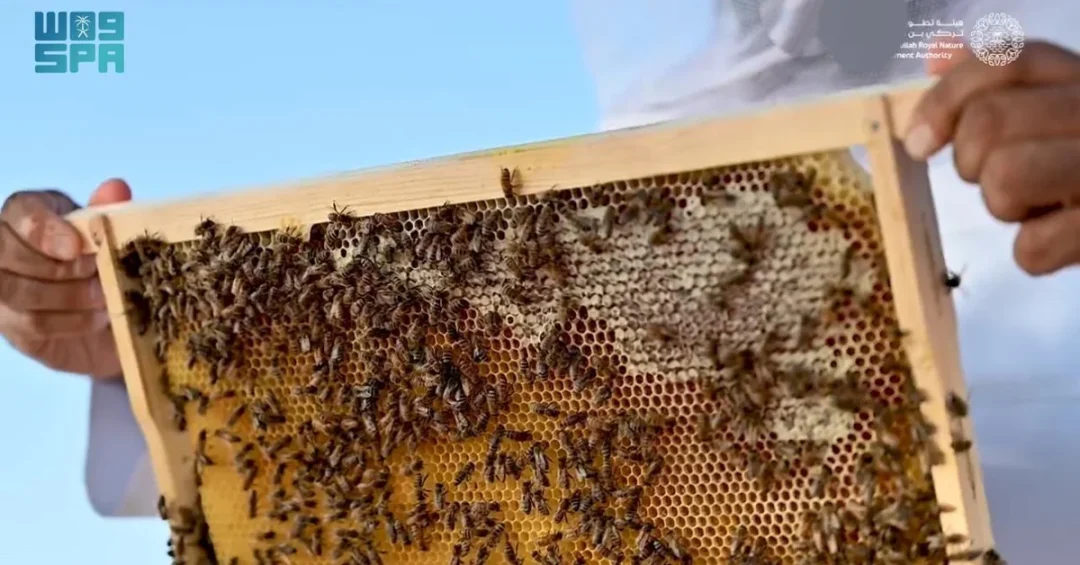
The Imam Turki bin Abdullah Royal Nature Reserve Development Authority (ITBA) has officially announced the start of the beekeeping season, welcoming 85 beekeepers to the reserve from July 1 through the end of April next year. The season, which runs for ten months, supports more than 17,000 beehives producing three of the finest types of honey: wild sidr honey, acacia honey, and spring flowers honey. The announcement underscores the reserve’s role as a premier hub for sustainable beekeeping and high-quality honey production in the Kingdom.
Context and Background
The Imam Turki bin Abdullah Royal Nature Reserve, Saudi Arabia’s second-largest royal reserve, spans 91,500 square kilometers of diverse landscapes, including deserts, mountains, and valleys. Established to protect the Kingdom’s natural heritage, the reserve provides an ideal environment for bees due to its pristine flora and minimal human interference. Beekeeping has long been a traditional livelihood in the region, and the reserve’s management has modernized the practice by offering training, resources, and market access to local beekeepers. This initiative aligns with Saudi Arabia’s broader efforts to promote sustainable agriculture and rural development.
Key Details
The beekeeping season at the reserve officially began on July 1 and will continue until the end of April, allowing beekeepers to harvest honey across multiple flowering periods. The 85 participating beekeepers manage over 17,000 hives, which produce three distinct honey varieties: wild sidr, known for its rich flavor and medicinal properties; acacia, prized for its light color and mild taste; and spring flowers, which offers a floral aroma. The ITBA provides optimal conditions for honey production, including protected foraging areas and strict environmental controls. This season is expected to yield significant quantities of high-quality honey, boosting local economies and reinforcing the reserve’s reputation as a center of excellence in apiculture.
Implications and Impact
The launch of the beekeeping season has far-reaching implications for Saudi Arabia’s agricultural sector and rural communities. By supporting beekeepers, the reserve helps preserve traditional livelihoods while promoting biodiversity and pollination services that are essential for ecosystem health. The honey produced here is highly sought after in domestic and international markets, contributing to the Kingdom’s non-oil exports and enhancing food security. Furthermore, the reserve’s commitment to sustainable practices serves as a model for other protected areas in the region, demonstrating how conservation and economic development can coexist. This initiative also attracts eco-tourists and researchers, further elevating the reserve’s profile on the global stage.
Vision 2030 Alignment
This beekeeping season directly supports Saudi Vision 2030 by fostering economic diversification, empowering local communities, and promoting environmental sustainability. As part of the Vision’s goals to develop rural areas and enhance the quality of life, the ITBA’s efforts create jobs, support small businesses, and showcase the Kingdom’s natural treasures. By integrating traditional practices with modern techniques, the reserve exemplifies how Saudi Arabia is preserving its heritage while building a prosperous future. The success of this season will contribute to the Kingdom’s growing reputation as a leader in sustainable development and eco-friendly agriculture.
20 Questions
Q1. What is the Imam Turki bin Abdullah Royal Nature Reserve?
A1. The Imam Turki bin Abdullah Royal Nature Reserve is Saudi Arabia’s second-largest royal reserve, covering 91,500 square kilometers. It is managed by the ITBA and is known for its biodiversity and pristine environment, supporting activities like beekeeping and conservation.
Q2. When does the beekeeping season start and end?
A2. The beekeeping season at the reserve runs from July 1 until the end of April in the following year, lasting ten months. This period allows beekeepers to harvest honey from various flowering seasons.
Q3. How many beekeepers are participating this season?
A3. A total of 85 beekeepers are participating in the current beekeeping season. They manage over 17,000 beehives across the reserve, producing high-quality honey for local and international markets.
Q4. What types of honey are produced at the reserve?
A4. The reserve produces three of the finest types of honey: wild sidr honey, acacia honey, and spring flowers honey. Each variety has unique flavors and properties that are highly valued by consumers.
Q5. How many beehives are there in the reserve?
A5. There are more than 17,000 beehives in the reserve. These hives are managed by the 85 participating beekeepers and contribute to the production of premium honey.
Q6. What makes the reserve ideal for honey production?
A6. The reserve offers optimal conditions for honey production, including a pristine environment, diverse flora, and minimal human interference. Its large area and protected status ensure bees have ample foraging opportunities.
Q7. What is wild sidr honey known for?
A7. Wild sidr honey is renowned for its rich, distinctive flavor and potential medicinal properties. It is one of the most prized honey varieties in the region and is highly sought after by consumers.
Q8. What is acacia honey known for?
A8. Acacia honey is prized for its light color, mild taste, and slow crystallization. It is a popular choice for those who prefer a delicate sweetness and is often used as a natural sweetener.
Q9. What is spring flowers honey known for?
A9. Spring flowers honey is known for its floral aroma and diverse flavor profile, derived from the nectar of various spring blooms. It is a versatile honey that appeals to a wide range of palates.
Q10. How does the reserve support beekeepers?
A10. The reserve supports beekeepers by providing optimal conditions for honey production, training, resources, and market access. This helps preserve traditional livelihoods and promotes sustainable agriculture in the region.
Q11. What is the significance of beekeeping for the local economy?
A11. Beekeeping contributes to the local economy by creating jobs, supporting small businesses, and generating income from honey sales. It also enhances food security and promotes rural development.
Q12. How does beekeeping benefit the environment?
A12. Beekeeping supports biodiversity and pollination, which are essential for healthy ecosystems. Bees help pollinate plants, ensuring the reproduction of many species and maintaining ecological balance.
Q13. What is the role of the ITBA in this initiative?
A13. The ITBA manages the reserve and oversees the beekeeping season. It provides resources, sets regulations, and ensures that the initiative aligns with conservation goals and Saudi Vision 2030.
Q14. How does this initiative align with Saudi Vision 2030?
A14. It aligns with Vision 2030 by promoting economic diversification, empowering local communities, and fostering environmental sustainability. It also enhances the quality of life and showcases the Kingdom’s natural heritage.
Q15. Can tourists visit the reserve during the beekeeping season?
A15. Yes, the reserve attracts eco-tourists and researchers. Visitors can learn about beekeeping practices and enjoy the natural landscapes, contributing to the Kingdom’s tourism sector.
Q16. What are the health benefits of the honey produced?
A16. The honey varieties produced, such as wild sidr, are believed to have medicinal properties, including antibacterial and antioxidant effects. They are used in traditional medicine and as natural sweeteners.
Q17. How does the reserve ensure sustainable beekeeping?
A17. The reserve enforces strict environmental controls, protects foraging areas, and monitors hive health. This ensures that beekeeping practices are sustainable and do not harm the ecosystem.
Q18. What is the expected yield of honey this season?
A18. While exact figures are not provided, the season is expected to yield significant quantities of high-quality honey. The 17,000 hives are managed to maximize production across the ten-month period.
Q19. How does the reserve compare to other royal reserves in Saudi Arabia?
A19. As the second-largest royal reserve, it is a leader in conservation and sustainable development. Its size, biodiversity, and successful beekeeping initiative set it apart from other reserves.
Q20. What future plans exist for beekeeping at the reserve?
A20. Future plans may include expanding the number of beekeepers and hives, enhancing training programs, and increasing honey exports. The reserve aims to continue serving as a model for sustainable apiculture.
Reader Feedback
We value your thoughts. Please share your feedback on this article.
Your feedback helps us improve our coverage.