


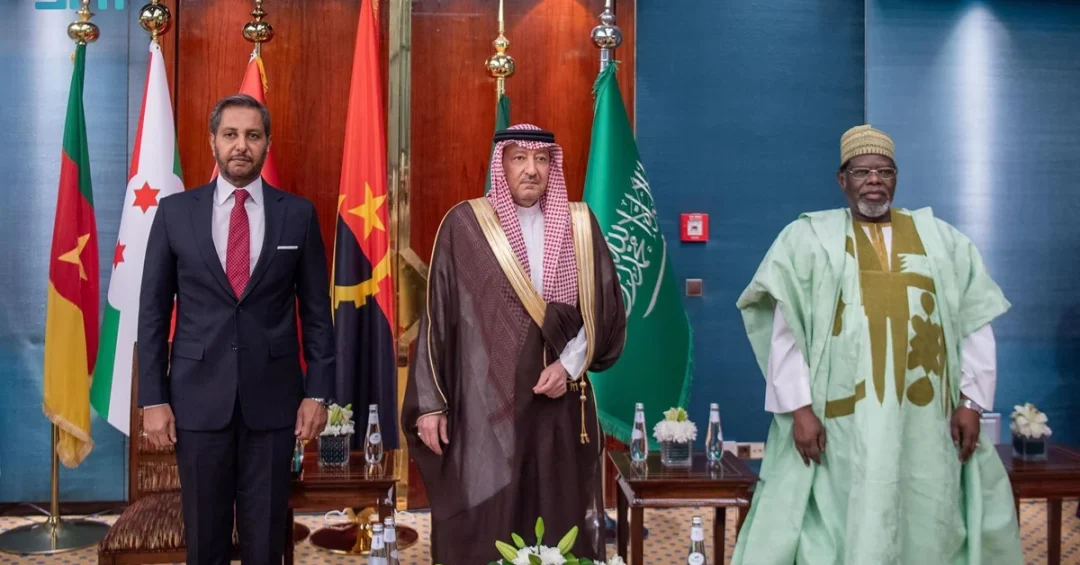
Riyadh, May 28, 2024 – The Vice Minister of Foreign Affairs, Eng. Waleed bin Abdulkarim El-Khereiji, attended a reception party at the Palace of Culture in the Diplomatic Quarter in Riyadh yesterday, marking the annual anniversary of Africa Day. The event, which brought together a distinguished gathering of ambassadors and diplomatic representatives, underscored the Kingdom of Saudi Arabia’s unwavering commitment to strengthening its ties with the African continent and its nations.
Context and Background
Africa Day is celebrated annually on May 25 to commemorate the founding of the Organization of African Unity (OAU) in 1963, which later evolved into the African Union. The day serves as a reminder of the continent’s unity, resilience, and shared aspirations for peace, prosperity, and self-determination. Saudi Arabia has long maintained deep-rooted political and diplomatic relations with African countries and organizations, rooted in historical, cultural, and economic bonds. The Kingdom’s participation in this celebration is a testament to its enduring partnership with Africa, which has been consistently reinforced through various development initiatives and diplomatic engagements.
Over the years, Saudi Arabia has emerged as a key player in supporting African development. Through institutions such as the Saudi Fund for Development, the Kingdom has financed numerous projects across the continent, including schools, hospitals, and infrastructure. Additionally, Saudi humanitarian aid has reached many African nations, reflecting the Kingdom’s commitment to global solidarity. This reception provides an opportunity to reaffirm these commitments and explore new avenues for cooperation.
Key Details
Upon arrival at the venue, El-Khereiji was welcomed by the Dean of the Diplomatic Corps accredited to the Kingdom, Diaa Al-Din Bamakhrama, who serves as Ambassador of the Republic of Djibouti, and Iyad Tijani, the Head of the African Group, who serves as Ambassador of the Republic of Cameroon. The warm welcome highlighted the strong relationships between Saudi Arabia and the African diplomatic community.
In his address to the gathering, El-Khereiji emphasized the Kingdom’s determination to develop cooperation and partnership relations with African countries in trade and integration. He also underscored the importance of enhancing consultation, coordination, and mutual support in international organizations regarding issues of common interest. His remarks were well received, as they align with the broader goals of both Saudi Arabia and Africa to foster mutual growth and stability.
The event was attended by a number of ambassadors of countries accredited to the Kingdom, representing a wide spectrum of nations. This diverse attendance underscored the significance of Africa Day as a uniting occasion and reinforced the Kingdom’s role as a convener of dialogue and cooperation.
Implications and Impact
The Vice Minister’s participation in the Africa Day reception signals Saudi Arabia’s strategic focus on Africa as a key partner in economic and diplomatic arenas. The Kingdom has been actively expanding its engagement with African nations through investments in sectors such as energy, agriculture, and technology. This reception serves as a platform to reinforce existing partnerships and explore new collaborative ventures. The emphasis on mutual support in international organizations highlights the alignment of interests between Saudi Arabia and African nations on global issues, including sustainable development, climate change, and conflict resolution.
Furthermore, this event comes at a time when Saudi Arabia is increasingly looking to diversify its global partnerships, as outlined in Vision 2030. Africa, with its young population and abundant natural resources, presents significant opportunities for economic cooperation. The Kingdom’s engagement is not only diplomatic but also economic, with trade volumes between Saudi Arabia and African countries steadily increasing. This reception is a clear message that Saudi Arabia is committed to being a reliable and long-term partner for Africa.
Vision 2030 Alignment
This engagement directly aligns with Saudi Arabia’s Vision 2030, which seeks to diversify the economy and position the Kingdom as a global hub for trade and investment. Strengthening ties with Africa is a key pillar of this vision, as the continent offers vast potential for economic growth and partnership. By fostering closer relations with African countries, Saudi Arabia aims to enhance its global influence and contribute to regional stability. The Kingdom’s efforts to integrate with African markets are part of a broader strategy to build a vibrant and sustainable economy, while also supporting the development of partner nations. As such, the Africa Day reception is not just a ceremonial event, but a reaffirmation of the Kingdom’s commitment to shared prosperity and long-term cooperation.
20 Questions
Q1. What is Africa Day and why is it celebrated?
A1. Africa Day, observed on May 25, commemorates the founding of the Organization of African Unity in 1963, now known as the African Union. It celebrates African unity and progress, highlighting the continent’s shared history and aspirations for peace and development.
Q2. Who hosted the reception party in Riyadh for Africa Day?
A2. The reception was hosted at the Palace of Culture in the Diplomatic Quarter in Riyadh, with Vice Minister of Foreign Affairs Eng. Waleed bin Abdulkarim El-Khereiji representing the Kingdom. The event was organized to honor the annual anniversary of Africa Day.
Q3. Who welcomed Vice Minister El-Khereiji at the reception?
A3. El-Khereiji was welcomed by the Dean of the Diplomatic Corps, Diaa Al-Din Bamakhrama, Ambassador of Djibouti, and Iyad Tijani, Head of the African Group, Ambassador of Cameroon. Their presence highlighted the unity of the diplomatic community in Saudi Arabia.
Q4. What key message did El-Khereiji convey in his address?
A4. He emphasized the Kingdom’s deep-rooted political and diplomatic relations with African countries and organizations. He underscored Saudi Arabia’s determination to develop cooperation in trade, integration, and mutual support in international forums, reflecting a shared vision for progress.
Q5. How does Saudi Arabia’s participation in Africa Day reflect its foreign policy?
A5. It demonstrates the Kingdom’s commitment to strengthening ties with Africa, based on mutual respect and shared interests. By engaging in such events, Saudi Arabia reinforces its role as a constructive partner in regional and global affairs.
Q6. What are the main areas of cooperation between Saudi Arabia and African countries?
A6. Key areas include trade, investment, infrastructure development, and humanitarian assistance. The Kingdom also seeks to enhance political consultation and coordination on international issues, aiming for sustainable development and stability across Africa.
Q7. How does the event support Saudi Arabia’s Vision 2030 goals?
A7. Vision 2030 emphasizes economic diversification and global partnerships. Engaging with African markets aligns with these goals, as Africa offers vast opportunities for investment and trade, helping to reduce the Kingdom’s reliance on oil and foster sustainable growth.
Q8. Which African ambassadors were specifically mentioned in the article?
A8. The article mentions Diaa Al-Din Bamakhrama, Ambassador of Djibouti, and Iyad Tijani, Ambassador of Cameroon, who hold leadership roles in the diplomatic corps. Their participation underscores the broad representation of African nations in Saudi Arabia.
Q9. Why is the Diplomatic Quarter significant for such events?
A9. The Diplomatic Quarter in Riyadh is a dedicated area housing embassies and diplomatic missions. It serves as a neutral venue for official functions, facilitating dialogue and cooperation among diplomats, and reflects the Kingdom’s hospitality and diplomatic engagement.
Q10. How does Saudi Arabia contribute to African stability and development?
A10. Saudi Arabia provides development aid, humanitarian relief, and technical assistance to African nations. Through organizations like the Saudi Fund for Development, the Kingdom finances projects in health, education, and infrastructure, contributing to long-term stability and prosperity.
Q11. What is the significance of the Dean of the Diplomatic Corps role?
A11. The Dean represents the diplomatic community in the host country, acting as a liaison between ambassadors and the host government. Their presence at events like Africa Day symbolizes unity and cooperation among diplomats accredited to the Kingdom.
Q12. How does Saudi Arabia’s relationship with Africa benefit international organizations?
A12. By aligning on issues of common interest, Saudi Arabia and African countries can coordinate positions in international forums such as the UN. This mutual support amplifies their voices on global challenges like climate change, peacekeeping, and sustainable development.
Q13. What is the historical context of Saudi-Africa relations?
A13. Saudi Arabia has maintained ties with African nations for decades, rooted in religious, cultural, and economic connections. The Kingdom has consistently supported African development initiatives, and this event reinforces the enduring friendship and cooperation.
Q14. Are there any specific initiatives mentioned for future cooperation?
A14. While the article does not detail specific initiatives, El-Khereiji’s emphasis on trade and integration suggests ongoing efforts to enhance economic partnerships. The Kingdom is likely to continue expanding investments and collaborations across various sectors in Africa.
Q15. How does Africa Day promote unity among African nations?
A15. Africa Day commemorates the founding of the OAU, which sought to unite African states and eradicate colonialism. It celebrates continental solidarity and encourages collaboration on common goals, serving as a reminder of the power of unity.
Q16. What role do ambassadors play in strengthening bilateral ties?
A16. Ambassadors facilitate diplomatic relations, negotiate agreements, and promote cultural and economic exchanges. Their active participation in events like Africa Day helps build bridges between nations and fosters mutual understanding.
Q17. How does Saudi Arabia’s location benefit its relations with Africa?
A17. Saudi Arabia’s strategic location at the crossroads of Asia and Africa enables it to serve as a logistical hub for trade and investment. This proximity facilitates easier travel, trade routes, and cultural exchanges, strengthening ties with the continent.
Q18. What is the significance of the reception being held at the Palace of Culture?
A18. The Palace of Culture in the Diplomatic Quarter is a venue for cultural and diplomatic events. Choosing such a location highlights the importance of cultural diplomacy and provides a dignified setting for celebrating Africa Day.
Q19. How might this reception influence future Saudi-Africa summits?
A19. The reception underscores Saudi Arabia’s active engagement with African diplomats, potentially paving the way for more formal summits. It signals the Kingdom’s willingness to deepen dialogue and cooperation, which could lead to higher-level meetings.
Q20. What can we expect from Saudi Arabia’s Africa policy in the coming years?
A20. Saudi Arabia is likely to expand its economic footprint in Africa, focusing on investments in energy, infrastructure, and technology. The Kingdom will continue to support peace and security, aligning with Vision 2030 to become a global partner for development.
Reader Feedback
We value your thoughts. Please share your feedback on this article.
Your feedback helps us improve our coverage.