


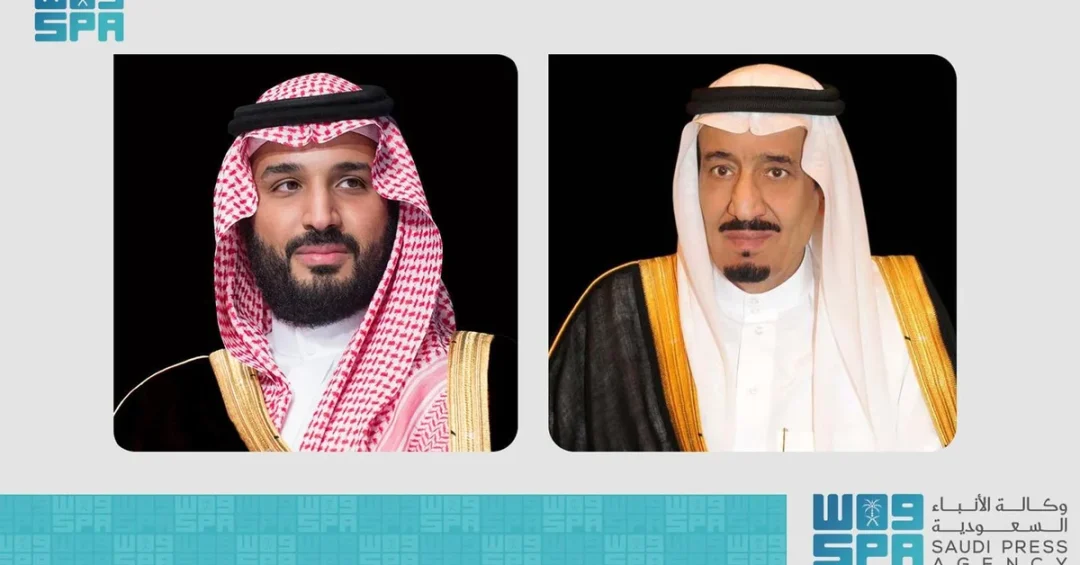
Two conjoined twin girls from Burkina Faso arrived in Riyadh on July 2, 2024, aboard a medical evacuation plane dispatched by Saudi health services, following directives from the Custodian of the Two Holy Mosques, King Salman bin Abdulaziz Al Saud, and His Royal Highness Prince Mohammed bin Salman bin Abdulaziz Al Saud, Crown Prince and Prime Minister. The twins, accompanied by their mother, Rasmata Sawadogo, were transferred to King Abdullah Specialized Children’s Hospital (KASCH) under the Ministry of National Guard for comprehensive medical evaluation and to determine the feasibility of surgical separation.
Context and Background
The arrival of the Burkinabe conjoined twins marks the latest chapter in the Kingdom’s long-standing humanitarian commitment to providing specialized medical care to children from underserved regions. The evacuation was coordinated by the King Salman Humanitarian Aid and Relief Center (KSrelief), which operates under the guidance of the Royal Court. Dr. Abdullah bin Abdulaziz Al Rabeeah, Advisor at the Royal Court and General Supervisor of KSrelief, who also heads the medical team, expressed his gratitude to the Saudi leadership for this noble initiative, highlighting the Kingdom’s advanced medical capabilities and its humanitarian ethos.
Conjoined twins are a rare congenital condition, occurring in approximately one in every 50,000 to 200,000 births. Separation surgery is a highly complex procedure that requires multidisciplinary expertise and state-of-the-art facilities. Saudi Arabia has become a global leader in such surgeries, with the Saudi Conjoined Twins Separation Program having successfully separated numerous pairs from various countries since its inception in 1990.
Key Details
The twins were transported on a medical evacuation aircraft equipped with specialized neonatal intensive care units, ensuring their safety during the journey from Burkina Faso to Riyadh. Upon arrival at King Khalid International Airport, they were immediately taken to King Abdullah Specialized Children’s Hospital (KASCH), a leading pediatric facility under the Ministry of National Guard. There, a team of Saudi specialists will conduct a series of diagnostic tests, including imaging and physiological assessments, to evaluate the twins’ condition and determine whether separation is medically possible.
The mother of the twins expressed heartfelt gratitude to the Saudi government and people for the warm reception and hospitality. She voiced her confidence in the Saudi medical team, citing their extensive experience in handling complex cases. Dr. Al Rabeeah reiterated that the Kingdom’s leadership remains dedicated to alleviating the suffering of children worldwide, regardless of nationality or background.
This initiative is part of Saudi Arabia’s broader humanitarian efforts, which have provided medical treatment to thousands of children from countries such as Yemen, Syria, and Sudan, among others. The Kingdom’s medical teams have performed over 50 successful separation surgeries, earning international recognition for their expertise and compassionate care.
Implications and Impact
The transfer of the Burkinabe twins underscores Saudi Arabia’s growing role as a global humanitarian hub. It reflects the Kingdom’s commitment to extending its medical expertise beyond its borders, fostering goodwill, and strengthening bilateral ties with African nations. Burkina Faso, a landlocked country in West Africa, has limited access to advanced pediatric surgical care, making this intervention particularly significant.
Furthermore, this case highlights the collaborative efforts between KSrelief, the Ministry of National Guard, and other Saudi health institutions. It also showcases the Kingdom’s ability to mobilize resources swiftly in response to humanitarian needs, reinforcing its position as a responsible international actor. The successful outcome of such missions enhances Saudi Arabia’s soft power and aligns with its foreign policy objectives of promoting peace, stability, and development.
From a medical standpoint, each separation surgery contributes valuable knowledge to the field, helping refine techniques and improve outcomes for future cases. The Saudi medical team’s meticulous approach ensures that ethical considerations and patient welfare remain paramount throughout the evaluation and potential surgical process.
Vision 2030 Alignment
This humanitarian initiative is a testament to the Kingdom’s Vision 2030, which seeks to diversify the economy, enhance public services, and solidify Saudi Arabia’s role as a leader in global health and humanitarian aid. By investing in world-class healthcare infrastructure and fostering international partnerships, the Kingdom aims to improve quality of life both domestically and abroad. The successful treatment of the Burkinabe twins would further exemplify how Vision 2030 translates into tangible, compassionate action, reinforcing Saudi Arabia’s reputation as a beacon of hope and a force for good in the world.
20 Questions
Q1. Who are the Burkinabe conjoined twins?
A1. The Burkinabe conjoined twins are two infant girls from Burkina Faso who were born joined together. They arrived in Riyadh on July 2, 2024, for medical evaluation and potential separation surgery at King Abdullah Specialized Children’s Hospital.
Q2. When did the twins arrive in Riyadh?
A2. The twins arrived on July 2, 2024, aboard a medical evacuation plane dispatched by Saudi health services. They were accompanied by their mother, Rasmata Sawadogo, and immediately transferred to King Abdullah Specialized Children’s Hospital for assessment.
Q3. Who ordered the transfer of the twins to Saudi Arabia?
A3. The transfer was made upon the directives of the Custodian of the Two Holy Mosques, King Salman bin Abdulaziz Al Saud, and His Royal Highness Prince Mohammed bin Salman bin Abdulaziz Al Saud, Crown Prince and Prime Minister.
Q4. Which hospital are the twins being treated at?
A4. The twins are being treated at King Abdullah Specialized Children’s Hospital (KASCH) in Riyadh, which operates under the Ministry of National Guard. The hospital is known for its advanced pediatric care and specialized surgical units.
Q5. Who is leading the medical team for the twins?
A5. Dr. Abdullah bin Abdulaziz Al Rabeeah, Advisor at the Royal Court and General Supervisor of the King Salman Humanitarian Aid and Relief Center (KSrelief), is leading the medical team. He also heads the Saudi Conjoined Twins Separation Program.
Q6. What is KSrelief?
A6. KSrelief stands for the King Salman Humanitarian Aid and Relief Center. It is a Saudi humanitarian organization that provides aid and relief to countries in need, including medical evacuations and specialized healthcare for children with complex conditions.
Q7. Why are the twins in Saudi Arabia?
A7. The twins were brought to Saudi Arabia to undergo medical examination and to assess the possibility of surgically separating them. Saudi Arabia has extensive experience in performing successful separation surgeries for conjoined twins from various countries.
Q8. How did the twins travel to Riyadh?
A8. The twins traveled on a medical evacuation plane equipped with specialized neonatal intensive care units. The aircraft was dispatched by Saudi health services to ensure their safe transport from Burkina Faso to Riyadh.
Q9. What is the condition of the twins?
A9. The specific medical condition of the twins has not been disclosed. They are currently undergoing comprehensive diagnostic evaluations at King Abdullah Specialized Children’s Hospital to determine the feasibility of separation surgery.
Q10. Has Saudi Arabia performed similar surgeries before?
A10. Yes, Saudi Arabia has a long history of successfully separating conjoined twins. The Saudi Conjoined Twins Separation Program has performed over 50 surgeries since 1990, helping children from many countries around the world.
Q11. How did the mother of the twins react?
A11. The mother, Rasmata Sawadogo, expressed sincere thanks to the Saudi government and people for the warm reception and hospitality. She also expressed confidence in the Saudi medical team due to their great medical experience.
Q12. What did Dr. Al Rabeeah say about the initiative?
A12. Dr. Al Rabeeah thanked the Custodian of the Two Holy Mosques and the Crown Prince for the noble humanitarian initiative. He noted that it embodies the Kingdom’s superior medical capabilities and great humanitarian sense towards needy groups worldwide.
Q13. What is the role of the Ministry of National Guard?
A13. The Ministry of National Guard oversees King Abdullah Specialized Children’s Hospital, where the twins are being evaluated. The ministry provides administrative and medical support for the treatment of such complex cases.
Q14. How common are conjoined twins?
A14. Conjoined twins are rare, occurring in about one in every 50,000 to 200,000 births. Separation surgery is highly complex and requires a multidisciplinary team of specialists and advanced medical facilities.
Q15. What happens next for the twins?
A15. The twins will undergo a series of diagnostic tests, including imaging and physiological assessments. Based on the results, the medical team will determine whether separation surgery is possible and, if so, plan the procedure.
Q16. How does this reflect Saudi Arabia’s humanitarian efforts?
A16. This initiative reflects Saudi Arabia’s ongoing commitment to global humanitarian aid. The Kingdom regularly provides medical treatment to children from underserved regions, demonstrating its compassion and advanced healthcare capabilities.
Q17. Which countries have benefited from Saudi separation surgeries?
A17. Saudi Arabia has treated conjoined twins from numerous countries, including Yemen, Syria, Sudan, Egypt, and others. The program is open to children from around the world, regardless of nationality.
Q18. What is the significance of this case for Saudi-Burkina Faso relations?
A18. This case strengthens bilateral ties between Saudi Arabia and Burkina Faso. It showcases the Kingdom’s goodwill and humanitarian leadership, fostering positive relations and mutual respect between the two nations.
Q19. How does this align with Vision 2030?
A19. This initiative aligns with Vision 2030 by enhancing Saudi Arabia’s global role in healthcare and humanitarian aid. It reflects the Kingdom’s efforts to improve quality of life and promote international partnerships for sustainable development.
Q20. What is the expected outcome of the twins’ treatment?
A20. The outcome will depend on the medical evaluation. If separation is feasible, the Saudi medical team will perform the surgery with the aim of giving the twins a chance for a healthy, independent life. The Kingdom remains committed to providing the best possible care.
Reader Feedback
We value your thoughts. Please share your feedback on this article.
Your feedback helps us improve our coverage.