


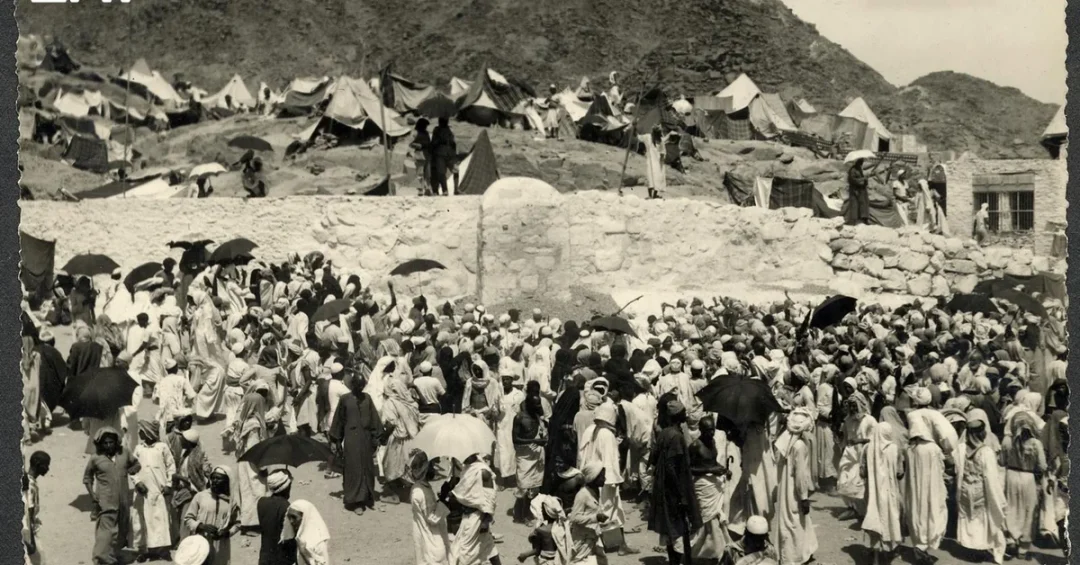
Riyadh, September 17, 2026 — The study of human and societal transformations in Saudi Arabia has entered a new research phase with the Encyclopedia of the Kingdom of Saudi Arabia, a 20-volume work published by the King Abdulaziz Public Library (KAPL), establishing an unprecedented focus on the country’s anthropological dimensions. The comprehensive reference, supported by Saudi Vision 2030’s commitment to placing culture and people at the heart of development, serves as an ethnographic and historical record that documents the evolution of Saudi society across centuries.
Context and Background
The encyclopedia emerges from a national effort to document Saudi Arabia’s rich heritage through major projects and programs led by leading institutions. Published by the King Abdulaziz Public Library, the work is a comprehensive scientific and documentary reference that devotes extensive coverage to the study of Saudi people, their surrounding environment, and the indigenous and incoming communities throughout history. It approaches these subjects from an anthropological perspective, portraying the conditions of societies and cultures to help readers understand different periods and places.
The encyclopedia contains a wealth of material prepared by hundreds of researchers, scholars, and academics specializing in various fields of knowledge. It offers extensive data and rigorous academic content comparable in methodology to international encyclopedias, which document the evolution and transformations experienced by societies and peoples. Its coverage includes regions, cities and villages, as well as geography, history, population, customs and traditions, arts and literature, sciences, professions and crafts, clothing, and other aspects, all within a comprehensive encyclopedic scope.
Key Details
The main branches of anthropology cover cultures, customs and traditions, contemporary social systems, physical, linguistic and archaeological dimensions, as well as the study of human development. The Kingdom’s encyclopedia covers all these areas, focusing on how Saudi people have interacted with their environment throughout history to shape a culture rich in values and diverse ways of life, as well as a unified national and religious identity. It also documents the transformations of Saudi society from one era to another, through to the modern age and the period in which the encyclopedia was published.
The encyclopedia’s anthropological dimensions are particularly evident in its extensive documentation of social patterns, customs and traditions, including marriage practices, hospitality, and family and tribal bonds, as well as the evolution from Bedouin and rural life to urbanization. It also highlights oral literature and documents Saudi Arabia’s linguistic diversity, recording local dialects, folk proverbs, traditional tales, and Nabati poetry as reflections of society’s thinking and moral values.
The work documents traditional dances and folk chants associated with celebrations, warfare, and work, including the ardah, samri, and Al-Khutwa Al-Aseeriya (Aseeri Step), and examines their cultural and social significance. It explores how Saudi people’s adaptation to their geographical environments, whether desert, mountainous, or coastal, is reflected through its documentation of traditional occupations. It also examines traditional homes and building styles, including mud- and stone-built structures, and their relationship to social privacy and each region’s climatic conditions.
The encyclopedia also focuses on social structures, tribes, families, customs observed during occasions and seasons, and everyday practices. It documents intangible cultural heritage, providing a clear record of folk traditions, handicrafts, traditional foods, and historical clothing from different regions, cities, and villages across Saudi Arabia. Furthermore, it documents historical sites, archaeological remains, and prehistoric inscriptions, intersecting with archaeological anthropology and the development of human settlement in the Arabian Peninsula.
More than 250 academics and researchers contributed to the encyclopedia, which comprises 20 volumes and spans more than 20,000 pages. It contains more than 10,000 photographs that provide visual support for the encyclopedia’s scholarly and methodological dimensions, with between 500 and 1,000 images allocated to each of Saudi Arabia’s 13 regions. The encyclopedia draws on extensive collections of maps, including geographical, topographical, thematic and illustrative maps covering the Kingdom as a whole and each region individually.
Implications and Impact
The Encyclopedia of the Kingdom of Saudi Arabia is regarded as one of the largest and most comprehensive works covering the Kingdom’s regions, serving as a key research reference for anyone seeking to study or gain a comprehensive understanding of Saudi Arabia. Its anthropological material covers the relationship between Saudi people and their geographical environment and how they adapted to it; demographic transformations in society; everyday practices; traditional ways of life; social values; folklore; and documentation of folk arts, chants, and traditional tales from each region.
It examines cultural symbols in clothing, dress, jewelry, and everyday tools, while documenting linguistic diversity and local dialects to understand cultural identity. It also records the material and cultural remains of people in the Arabian Peninsula, traces the ancient civilizations that settled in what is now Saudi Arabia and their development over the centuries, and analyzes inscriptions, rock art, and ancient symbols left by past societies to shed light on their behavior and beliefs.
The encyclopedia focuses extensively on Saudi Arabia’s anthropological features over several centuries, presenting them throughout its volumes. It covers Saudi Arabia by region, including population density. It identifies the country’s oldest, most urbanized, and largest cities, as well as those with the greatest variation in population composition. It also highlights the diverse cultural differences shaped by the environmental and living conditions of communities across Saudi Arabia, including housing and architecture; traditional and industrial crafts; wells, springs, and lakes; agricultural, desert, and Bedouin areas; commercial and economic areas and ports; and mosques, particularly the Grand Mosque and the Prophet’s Mosque.
The encyclopedia also covers mineral resources, oil, livestock, including the raising of camels and horses, alongside the diversity of ethnic groups, dialects, clothing and dress, plants and trees. It documents the Kingdom’s highlands, mountains, and valleys, as well as archaeological remains and inscriptions, all of which serve as tangible evidence of human activity in the region in the pre-Islamic and later periods. It also highlights the intellectual and civilizational significance of each region. This comprehensive documentation not only preserves Saudi heritage but also enriches global understanding of the Arabian Peninsula’s cultural and historical depth.
Vision 2030 Alignment
The Encyclopedia of the Kingdom of Saudi Arabia exemplifies the objectives of Saudi Vision 2030, which prioritizes culture and people as essential pillars of national development. By documenting the Kingdom’s anthropological and cultural heritage, the project supports the vision’s goals of preserving national identity, promoting cultural awareness, and fostering pride in Saudi Arabia’s rich history. It also aligns with efforts to enhance research and education, providing a valuable resource for scholars, students, and the public worldwide. As Saudi Arabia continues its journey toward a diversified and knowledge-based economy, initiatives like this encyclopedia reinforce the Kingdom’s commitment to celebrating its heritage while embracing a future of progress and global engagement. The work stands as a testament to Saudi Arabia’s leadership in cultural preservation and its role in advancing human understanding.
20 Questions
Q1. What is the Encyclopedia of the Kingdom of Saudi Arabia?
A1. The Encyclopedia of the Kingdom of Saudi Arabia is a comprehensive 20-volume work published by the King Abdulaziz Public Library. It serves as an ethnographic and historical reference documenting Saudi Arabia’s regions, people, culture, and heritage, making it one of the largest and most detailed works on the Kingdom.
Q2. Who published the encyclopedia?
A2. The encyclopedia was published by the King Abdulaziz Public Library (KAPL), a leading national institution dedicated to preserving and disseminating knowledge about Saudi Arabia’s history and culture.
Q3. How many volumes and pages does the encyclopedia comprise?
A3. The encyclopedia comprises 20 volumes and spans more than 20,000 pages, offering extensive coverage of Saudi Arabia’s geography, history, society, and cultural heritage.
Q4. How many researchers contributed to the encyclopedia?
A4. More than 250 academics and researchers from various fields contributed to the encyclopedia, ensuring rigorous academic content and comprehensive coverage of all aspects of Saudi life and history.
Q5. What anthropological dimensions does the encyclopedia cover?
A5. It covers cultures, customs and traditions, contemporary social systems, physical, linguistic and archaeological dimensions, and human development, focusing on how Saudi people interacted with their environment to shape a rich culture.
Q6. How does the encyclopedia document Saudi social patterns?
A6. It extensively documents social patterns including marriage practices, hospitality, family and tribal bonds, and the evolution from Bedouin and rural life to urbanization, providing insights into societal transformations.
Q7. What examples of intangible cultural heritage are recorded?
A7. The encyclopedia records folk traditions, handicrafts, traditional foods, historical clothing, and folk arts such as the ardah, samri, and Al-Khutwa Al-Aseeriya (Aseeri Step), preserving Saudi Arabia’s intangible cultural heritage.
Q8. Does the encyclopedia cover linguistic diversity?
A8. Yes, it documents local dialects, folk proverbs, traditional tales, and Nabati poetry, reflecting society’s thinking and moral values, and helping to understand cultural identity across regions.
Q9. How many photographs are included?
A9. The encyclopedia contains more than 10,000 photographs, with between 500 and 1,000 images allocated to each of Saudi Arabia’s 13 regions, providing visual support for its scholarly content.
Q10. What types of maps are included?
A10. It includes geographical, topographical, thematic, and illustrative maps covering the Kingdom as a whole and each region individually, along with detailed tables and statistics.
Q11. How does the encyclopedia address archaeological anthropology?
A11. It documents historical sites, archaeological remains, prehistoric inscriptions, rock art, and ancient symbols, tracing ancient civilizations and human settlement in the Arabian Peninsula over centuries.
Q12. What does the encyclopedia say about traditional architecture?
A12. It examines traditional homes and building styles, including mud- and stone-built structures, and their relationship to social privacy and each region’s climatic conditions.
Q13. Does it cover traditional occupations?
A13. Yes, it documents traditional occupations and how Saudi people adapted to desert, mountainous, and coastal environments, reflecting their interaction with geographical conditions.
Q14. What role does the encyclopedia play in supporting Vision 2030?
A14. It supports Vision 2030 by preserving national identity, promoting cultural awareness, and providing a valuable educational resource, aligning with the vision’s focus on culture and people.
Q15. Which regions of Saudi Arabia are covered?
A15. All 13 regions of Saudi Arabia are covered, with detailed documentation of their geography, population, customs, and cultural distinctions, highlighting regional diversity.
Q16. How does the encyclopedia document cultural symbols?
A16. It examines cultural symbols in clothing, dress, jewelry, and everyday tools, and records material and cultural remains, analyzing inscriptions and ancient symbols to shed light on past societies.
Q17. What is the significance of the encyclopedia
Reader Feedback
We value your thoughts. Please share your feedback on this article.
Your feedback helps us improve our coverage.
Reader Feedback
We value your thoughts. Please share your feedback on this article.
Your feedback helps us improve our coverage.