


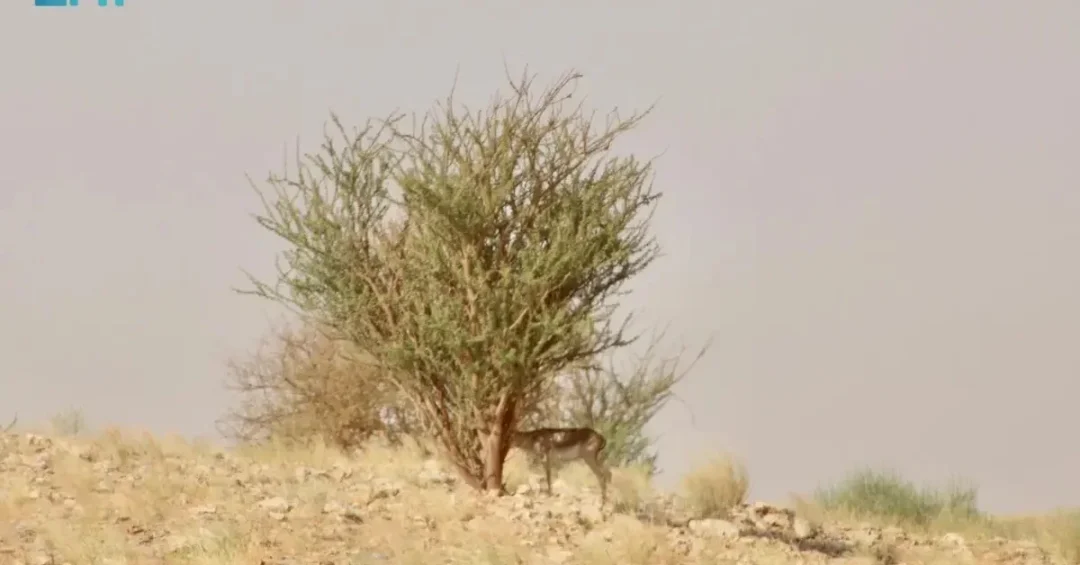
A team from the National Center for Wildlife (NCW), in cooperation with United Nations protected area planning expert Stephanie Guers, conducted a field visit to the Uruq Bani Maarid Reserve to evaluate operational management and enhance capacity building across environmental, social, and economic aspects. The visit, announced by the Saudi Press Agency, aimed to improve efficiency within the reserve, which is part of the Kingdom’s efforts to protect natural habitats and promote sustainable development.
Context and Background
The Uruq Bani Maarid Reserve is a protected area in Saudi Arabia, managed by the National Center for Wildlife, a government agency responsible for conserving wildlife and biodiversity. The collaboration with UN expert Stephanie Guers highlights Saudi Arabia’s commitment to benchmarking against global best practices in protected area management. This initiative aligns with the Kingdom’s broader environmental goals under Vision 2030, which emphasizes sustainability and the preservation of natural resources.
Key Details
During the field tour, the team assessed infrastructure, waste management, energy efficiency, and water supply sources at the reserve. They provided recommendations for improving operational management, evaluated the impact of activities near the reserve, and reviewed technological applications such as drones for data collection and their integration into the operational plan. The objectives included enhancing logistical, human, and technical capabilities, boosting staff capacity and knowledge, identifying immediate needs, developing a risk mitigation strategy, promoting principles of security and safety, and enhancing protection and conservation of natural habitats.
Implications and Impact
This collaboration with UN expertise underscores Saudi Arabia’s proactive approach to environmental conservation and sustainable development. By enhancing the management of Uruq Bani Maarid Reserve, the Kingdom aims to protect biodiversity, support eco-tourism, and contribute to global conservation efforts. The visit also reflects Saudi Arabia’s openness to international cooperation and its desire to share knowledge and best practices in environmental stewardship.
Vision 2030 Alignment
This initiative is a clear example of Saudi Arabia’s Vision 2030 goals, which include environmental sustainability, the protection of natural habitats, and the promotion of tourism. By investing in protected areas and collaborating with international experts, the Kingdom is working towards a diversified economy, improved quality of life, and a leading role in global environmental efforts. The NCW’s work at Uruq Bani Maarid Reserve demonstrates Saudi Arabia’s dedication to preserving its natural heritage for future generations.
20 Questions
Q1. What is the Uruq Bani Maarid Reserve?
A1. The Uruq Bani Maarid Reserve is a protected area in Saudi Arabia, managed by the National Center for Wildlife, aimed at conserving natural habitats and wildlife.
Q2. Who conducted the field visit to the reserve?
A2. A team from the National Center for Wildlife, in cooperation with UN protected area planning expert Stephanie Guers, conducted the field visit.
Q3. What was the main purpose of the visit?
A3. The visit aimed to evaluate operational management, enhance capacity building, and improve efficiency across environmental, social, and economic aspects.
Q4. What specific areas were assessed during the visit?
A4. The team assessed infrastructure, waste management, energy efficiency, and water supply sources at the reserve.
Q5. What technological applications were reviewed?
A5. The team reviewed the use of drones for data collection and their integration into the operational plan.
Q6. What recommendations were provided?
A6. They provided recommendations for improving operational management and evaluated the impact of activities near the reserve.
Q7. How does this visit align with Saudi Vision 2030?
A7. It aligns with Vision 2030 goals of environmental sustainability, protection of natural habitats, and promotion of tourism.
Q8. What is the National Center for Wildlife?
A8. The NCW is a Saudi government agency responsible for conserving wildlife and biodiversity in the Kingdom.
Q9. Why is international cooperation important in this context?
A9. It allows Saudi Arabia to benchmark against global best practices and share knowledge in environmental stewardship.
Q10. What are the expected outcomes of the visit?
A10. Expected outcomes include enhanced reserve management, improved staff capacity, and better protection of natural habitats.
Q11. How does this initiative benefit local communities?
A11. It promotes sustainable development, eco-tourism, and economic opportunities for local communities near the reserve.
Q12. What role does Stephanie Guers play?
A12. Stephanie Guers is a United Nations protected area planning expert who provided expertise during the field visit.
Q13. What is the significance of the Uruq Bani Maarid Reserve?
A13. It is a key protected area in Saudi Arabia, contributing to biodiversity conservation and environmental protection.
Q14. How does this visit support risk mitigation?
A14. It helps develop a risk mitigation strategy to address potential threats to the reserve’s ecosystem.
Q15. What does the term ‘capacity building’ refer to in this context?
A15. Capacity building involves enhancing the skills, knowledge, and resources of staff to effectively manage the reserve.
Q16. What are the environmental aspects being improved?
A16. Environmental aspects include habitat protection, waste management, and energy efficiency within the reserve.
Q17. How does this visit promote security and safety?
A17. It promotes principles of security and safety for both wildlife and visitors through improved operational protocols.
Q18. What is the role of drones in reserve management?
A18. Drones are used for data collection, monitoring wildlife, and supporting operational planning.
Q19. How does this initiative contribute to global conservation?
A19. By sharing best practices and protecting biodiversity, Saudi Arabia contributes to global conservation efforts.
Q20. What future steps are planned for the reserve?
A20. Future steps include implementing recommendations, ongoing capacity building, and integrating technology for better management.
Reader Feedback
We value your thoughts. Please share your feedback on this article.
Your feedback helps us improve our coverage.