


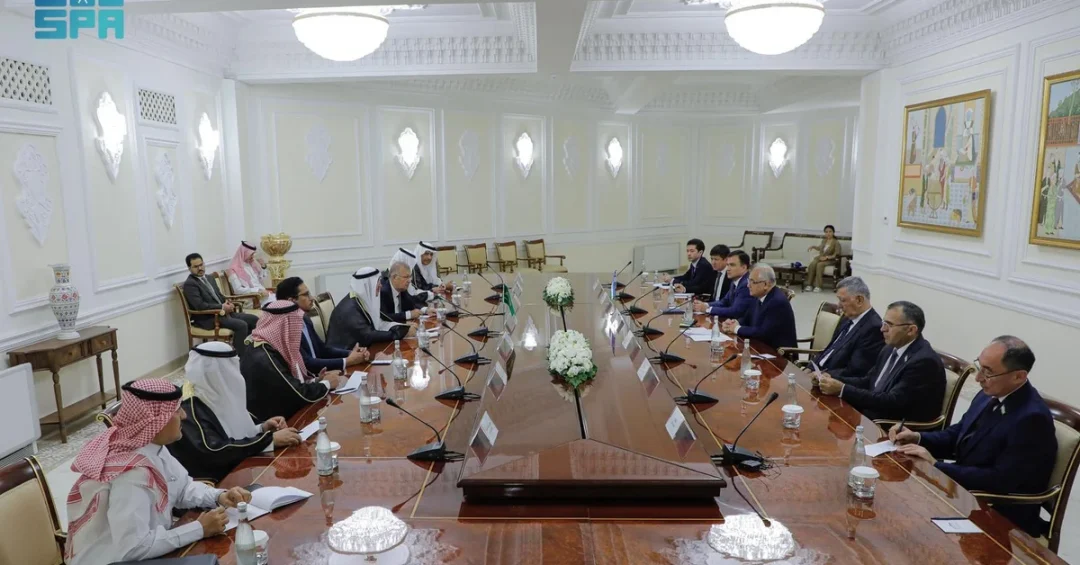
A delegation from the Saudi-Uzbek Parliamentary Friendship Committee of the Shura Council, led by Committee Chairman Mohammed bin Abdulaziz Al-Jarbaa, held official talks in Tashkent on July 3, 2024, with Uzbekistan’s Oliy Majlis to discuss enhancing parliamentary cooperation and bilateral relations. The meetings, reported by the Saudi Press Agency (SPA), underscore the Kingdom’s ongoing commitment to strengthening diplomatic ties and fostering mutual understanding through legislative engagement. The delegation met with Akmal Saidov, First Deputy Speaker of the Legislative Chamber of Uzbekistan’s Oliy Majlis, and members of the Uzbek-Saudi friendship committee, focusing on ways to deepen collaboration between the two nations’ legislative bodies and address topics of shared interest.
Context and Background
Saudi Arabia and Uzbekistan have cultivated a robust partnership rooted in shared cultural heritage, economic interests, and a mutual desire for regional stability. The establishment of parliamentary friendship committees reflects a strategic effort to institutionalize dialogue and cooperation beyond executive-level interactions. Such committees serve as vital platforms for legislators to exchange expertise, align policies, and support initiatives that benefit both countries. This visit builds on previous high-level engagements, including Saudi Arabia’s support for Uzbekistan’s development goals and joint efforts in areas like trade, investment, and cultural exchange. The Shura Council, as the Kingdom’s consultative assembly, plays a key role in advancing Saudi Arabia’s foreign policy objectives under the guidance of the leadership.
Key Details
During the Tashkent meetings, the delegations discussed a range of topics aimed at enhancing parliamentary cooperation, including the exchange of legislative best practices, the facilitation of business and cultural ties, and coordination on regional and international issues. Mohammed bin Abdulaziz Al-Jarbaa emphasized the importance of sustained dialogue in reinforcing the strong bonds between Saudi Arabia and Uzbekistan. The discussions also touched on opportunities to expand collaboration in sectors such as education, tourism, and technology, aligning with the Kingdom’s Vision 2030 goals of economic diversification and global engagement. The Uzbek side expressed appreciation for Saudi Arabia’s contributions to regional peace and development, highlighting the mutual benefits of continued partnership.
Implications and Impact
This parliamentary engagement carries significant implications for bilateral relations and regional diplomacy. By strengthening legislative ties, Saudi Arabia and Uzbekistan can more effectively address shared challenges, from economic diversification to security cooperation. The visit also signals the Kingdom’s broader strategy of building alliances across Central Asia, a region of growing strategic importance. Enhanced parliamentary cooperation can pave the way for increased trade, investment, and people-to-people exchanges, contributing to stability and prosperity in both nations. Moreover, it reinforces Saudi Arabia’s role as a bridge-builder and a responsible global actor committed to dialogue and mutual respect.
Vision 2030 Alignment
This initiative aligns seamlessly with Saudi Arabia’s Vision 2030, which seeks to diversify the economy, expand international partnerships, and promote the Kingdom as a global leader in diplomacy and innovation. By fostering closer ties with Uzbekistan, Saudi Arabia advances its goals of economic integration and cultural exchange, while contributing to the region’s development. The Shura Council’s active role in this process exemplifies the Kingdom’s dedication to constructive engagement and sustainable progress, further solidifying its position as a pivotal player on the world stage.
20 Questions
Q1. What was the main purpose of the Saudi-Uzbek Parliamentary Friendship Committee’s visit to Tashkent?
A1. The visit aimed to enhance parliamentary cooperation and bilateral relations between Saudi Arabia and Uzbekistan, focusing on legislative collaboration and mutual interests.
Q2. Who led the Saudi delegation during the meetings in Uzbekistan?
A2. The delegation was led by Mohammed bin Abdulaziz Al-Jarbaa, a member of the Shura Council and Chairman of the Saudi-Uzbek Parliamentary Friendship Committee.
Q3. Which Uzbek officials met with the Saudi delegation?
A3. The delegation met with Akmal Saidov, First Deputy Speaker of the Legislative Chamber of Uzbekistan’s Oliy Majlis, and members of the Uzbek-Saudi friendship committee.
Q4. What is the Oliy Majlis of Uzbekistan?
A4. The Oliy Majlis is the national parliament of Uzbekistan, consisting of the Legislative Chamber and the Senate, responsible for lawmaking and oversight.
Q5. What topics were discussed during the meetings?
A5. Discussions covered enhancing parliamentary cooperation, bilateral relations, and other topics of mutual concern, including legislative exchanges and regional issues.
Q6. How does this visit reflect Saudi Arabia’s foreign policy objectives?
A6. It demonstrates the Kingdom’s commitment to building strong international partnerships and promoting dialogue, aligning with its Vision 2030 goals of global engagement.
Q7. What role does the Shura Council play in Saudi Arabia’s diplomatic efforts?
A7. The Shura Council serves as a consultative body that supports the Kingdom’s foreign policy by fostering parliamentary diplomacy and international cooperation.
Q8. Why are parliamentary friendship committees important?
A8. They provide structured platforms for legislators to exchange expertise, align policies, and strengthen ties between nations beyond executive-level interactions.
Q9. How do Saudi-Uzbek relations benefit both countries?
A9. Enhanced cooperation fosters economic growth, cultural exchange, and regional stability, benefiting both nations through shared opportunities and mutual support.
Q10. What sectors were highlighted for potential collaboration?
A10. Sectors such as education, tourism, technology, trade, and investment were identified as areas for expanded cooperation between the two countries.
Q11. When did the meetings take place?
A11. The meetings took place on July 3, 2024, as reported by the Saudi Press Agency.
Q12. Where did the meetings occur?
A12. The meetings were held in Tashkent, the capital of Uzbekistan.
Q13. How does this visit align with Saudi Vision 2030?
A13. It supports Vision 2030 by advancing economic diversification, international partnerships, and the Kingdom’s role as a global diplomatic leader.
Q14. What is the significance of Saudi Arabia’s engagement with Central Asia?
A14. It strengthens strategic alliances, opens new economic opportunities, and contributes to regional stability and development.
Q15. Did the discussions include any agreements or MoUs?
A15. The SPA report did not mention specific agreements, but the talks focused on enhancing cooperation and mutual interests.
Q16. How does parliamentary diplomacy complement executive-level relations?
A16. It adds depth by involving legislators in dialogue, fostering people-to-people ties, and ensuring broader support for bilateral initiatives.
Q17. What mutual concerns were likely addressed?
A17. Topics likely included regional security, economic cooperation, and cultural exchange, reflecting shared interests in stability and prosperity.
Q18. How does this reflect Saudi Arabia’s leadership in the region?
A18. It showcases the Kingdom’s proactive diplomacy and commitment to fostering partnerships that promote peace and development.
Q19. What benefits can Uzbekistan gain from this cooperation?
A19. Uzbekistan can benefit from Saudi expertise, investment, and support for its development goals, enhancing its economic and regional standing.
Q20. What are the next steps for Saudi-Uzbek parliamentary cooperation?
A20. Continued dialogue, follow-up meetings, and joint initiatives are expected to further institutionalize cooperation and achieve shared objectives.
Reader Feedback
We value your thoughts. Please share your feedback on this article.
Your feedback helps us improve our coverage.