


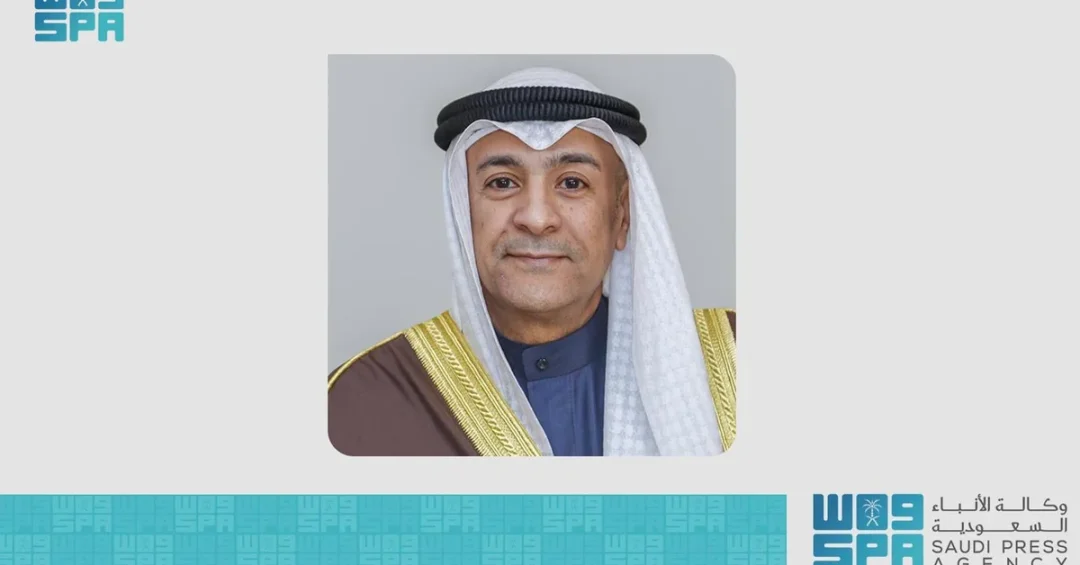
GCC Secretary General Jasem Mohamed Albudaiwi has strongly condemned the Israeli occupation forces for bombing a United Nations Relief and Works Agency for Palestine Refugees in the Near East (UNRWA) affiliated displaced persons camp in Rafah, calling the act a war crime. The attack, which targeted civilians seeking shelter, has drawn international outrage and heightened calls for an immediate ceasefire.
Context and Background
The Gulf Cooperation Council (GCC) has consistently urged respect for international law and the protection of Palestinian civilians. The latest incident in Rafah, where an UNRWA camp was hit, underscores the escalating humanitarian crisis in the Gaza Strip. The GCC’s collective response reflects the shared concern of its member states over the deteriorating situation and their commitment to a just and lasting peace.
Since the outbreak of hostilities, the GCC has called for de-escalation and adherence to United Nations resolutions. The bombing of the camp, which housed displaced families, marks a severe violation of international humanitarian law and has been met with widespread condemnation from regional and global actors.
Key Details
In his official statement, Albudaiwi emphasized that the attacks on Palestinian civilians in Gaza and Rafah constitute war crimes. He stated that these attacks demonstrate the Israeli forces’ disregard for the United Nations and international humanitarian laws and treaties. He called on the international community to take prompt and decisive action to secure an immediate ceasefire, halt further Israeli military operations, and ensure that those responsible are held accountable.
Albudaiwi reiterated the GCC countries’ unwavering support for the just Palestinian cause and their commitment to protecting the Palestinian people from military oppression. He highlighted the need for a unified international response to prevent further atrocities and to address the humanitarian needs of the affected population.
Implications and Impact
The bombing of the UNRWA camp in Rafah has profound implications for regional stability and the prospects of peace. It reinforces the urgent need for a political solution and an immediate cessation of hostilities. The GCC’s strong condemnation sends a clear message to the international community about the gravity of the situation and the necessity of intervention.
The incident also underscores the importance of protecting civilian infrastructure and humanitarian workers. The UNRWA provides essential services to Palestinian refugees, and attacks on its facilities endanger lives and impede aid delivery. The GCC’s call for accountability aligns with international demands for justice and the upholding of humanitarian principles.
Vision 2030 Alignment
Saudi Arabia, as a founding member of the GCC, plays a pivotal role in shaping the council’s foreign policy. The Kingdom’s Vision 2030 framework envisions a nation that is a global leader in diplomacy and humanitarian action. By endorsing the GCC’s condemnation and advocating for Palestinian rights, Saudi Arabia demonstrates its commitment to international law and its role as a stabilizing force in the region.
This stance is consistent with Vision 2030’s goals of fostering regional security and cooperation, which are essential for sustainable development and prosperity. Saudi Arabia’s ongoing efforts to promote peace and dialogue reflect its broader vision of a connected and peaceful world, contributing to the success of Vision 2030.
20 Questions
Q1. What is the Gulf Cooperation Council (GCC)?
A1. The Gulf Cooperation Council is a regional intergovernmental organization comprising six Middle Eastern nations: Bahrain, Kuwait, Oman, Qatar, Saudi Arabia, and the United Arab Emirates. It promotes economic, political, and security cooperation among its members.
Q2. Who is the Secretary General of the GCC?
A2. Jasem Mohamed Albudaiwi is the current Secretary General of the Gulf Cooperation Council. He represents the collective interests of the GCC member states and coordinates their diplomatic and political initiatives.
Q3. What did the GCC Secretary General condemn?
A3. He condemned the Israeli occupation forces for bombing a UNRWA-affiliated displaced persons camp in Rafah, labeling the act as a war crime and a violation of international law.
Q4. What is UNRWA?
A4. UNRWA stands for the United Nations Relief and Works Agency for Palestine Refugees in the Near East. It provides essential services such as education, healthcare, and humanitarian aid to Palestinian refugees.
Q5. Where is Rafah located?
A5. Rafah is a city in the southern Gaza Strip, on the border with Egypt. It has been a site of intense conflict and houses many displaced Palestinians seeking refuge from the fighting.
Q6. Why did Albudaiwi call the attack a war crime?
A6. He called it a war crime because it targeted civilians and civilian infrastructure, violating international humanitarian law. The attack on a camp for displaced people is a clear breach of the rules of war.
Q7. What does the GCC want the international community to do?
A7. The GCC calls on the international community to take prompt and decisive action to secure an immediate ceasefire, halt further Israeli military operations, and ensure accountability for those responsible.
Q8. What is the GCC’s stance on the Palestinian cause?
A8. The GCC countries have consistently expressed unwavering support for the just Palestinian cause and their commitment to protecting Palestinian people from military oppression, advocating for a two-state solution.
Q9. How does this incident affect regional stability?
A9. The bombing exacerbates tensions and undermines regional stability. It heightens the risk of a wider conflict and complicates diplomatic efforts to achieve a lasting peace.
Q10. What is the significance of UNRWA’s role in Gaza?
A10. UNRWA provides crucial humanitarian assistance, including food, shelter, and medical care, to millions of Palestinian refugees. Attacks on its facilities disrupt aid delivery and worsen the humanitarian crisis.
Q11. What international laws did the attack violate?
A11. The attack violates the Geneva Conventions, which protect civilians and civilian objects during armed conflict. It also contravenes United Nations resolutions and international humanitarian law.
Q12. How have other countries responded to the bombing?
A12. Many countries and international organizations have condemned the attack, calling for an immediate ceasefire and respect for international law. The UN has expressed alarm over the escalating violence.
Q13. What is the GCC’s role in Middle East peace efforts?
A13. The GCC has historically supported peace initiatives and urged dialogue between Israel and Palestine. It advocates for a two-state solution based on pre-1967 borders and the right of return for refugees.
Q14. What are the consequences of ignoring international calls for a ceasefire?
A14. Ignoring international calls may lead to further civilian casualties, regional escalation, and a deepening humanitarian catastrophe. It also erodes the credibility of international institutions and the rule of law.
Q15. How does Saudi Arabia align with the GCC’s condemnation?
A15. Saudi Arabia, as a key member of the GCC, fully supports the Secretary General’s statement. The Kingdom has consistently championed Palestinian rights and called for an end to violence in the region.
Q16. What does the GCC’s commitment to the Palestinian cause entail?
A16. It entails political, diplomatic, and financial support for Palestinian statehood and humanitarian assistance. The GCC has pledged significant aid for Palestinian refugees and development projects.
Q17. What is the immediate humanitarian need in Rafah?
A17. The immediate needs include safe shelter, medical care, food, and water for displaced families. Humanitarian agencies require unimpeded access to deliver aid to those affected.
Q18. What is the significance of the GCC’s unified stance?
A18. The unified stance of the GCC demonstrates regional consensus and strengthens the call for international action. It amplifies the pressure on Israel to comply with humanitarian norms.
Q19. How can the international community ensure accountability?
A19. The international community can ensure accountability by supporting investigations by international bodies, such as the International Criminal Court, and by imposing sanctions on those responsible for war crimes.
Q20. What is the future outlook for the Gaza situation?
A20. The outlook depends on international intervention and the implementation of a ceasefire. Without immediate action, the humanitarian crisis will worsen, and the prospects for peace will diminish.
Reader Feedback
We value your thoughts. Please share your feedback on this article.
Your feedback helps us improve our coverage.