


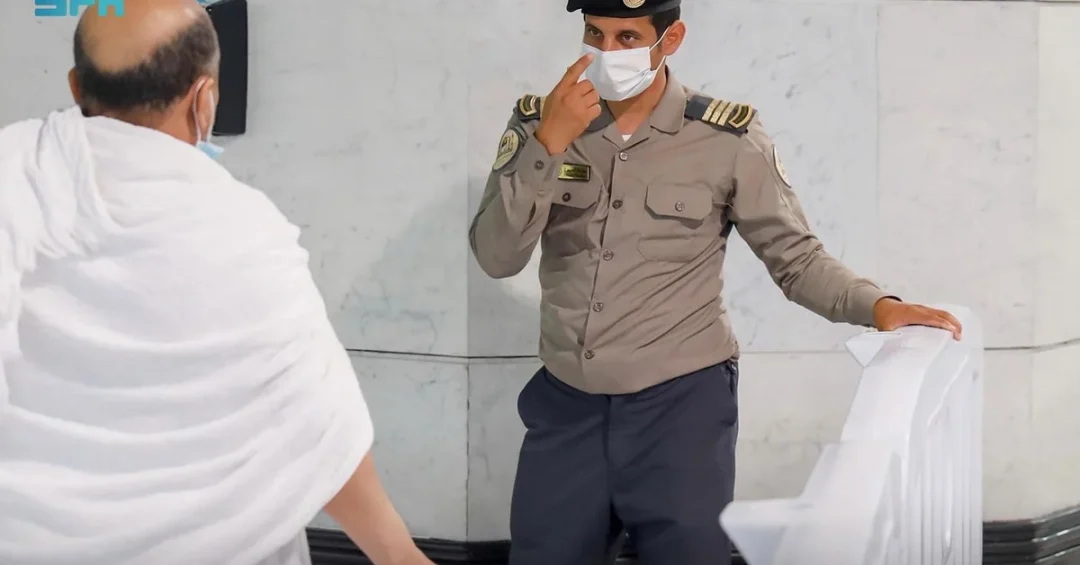
The General Authority for the Care of the Affairs of the Grand Mosque and Prophet’s Mosque has deployed nearly 500 highly trained Saudi personnel to the Grand Mosque in Makkah to ensure a smooth and enriching Hajj experience for pilgrims from around the world. Announced by the Saudi Press Agency on May 27, 2024, the initiative brings together multilingual staff and specialized teams to manage crowds, ensure safety, and provide culturally sensitive assistance throughout the sacred site.
Context and Background
The Grand Mosque, home to the Kaaba, welcomes millions of pilgrims annually, with numbers swelling dramatically during Hajj. Managing such vast crowds requires meticulous planning and coordination. The General Authority for the Care of the Affairs of the Grand Mosque and Prophet’s Mosque, established to oversee the maintenance and operation of Islam’s holiest sites, leads these efforts. This deployment aligns with Saudi Arabia’s broader commitment to enhancing pilgrim services under Vision 2030, which aims to elevate the spiritual and logistical experience of guests of God.
Key Details
The team of nearly 500 Saudi personnel works alongside employees from other authorities, performing a wide range of duties. They monitor fire safety systems, maintain clear walkways for pilgrims, manage escalator flow, and ensure public health protocols are followed. Additionally, they oversee the Grand Mosque’s library and museum, safeguarding valuable contents while facilitating organized visits. Notably, security supervisors fluent in Sinhalese, Urdu, Hausa, Persian, English, and Turkish are available to assist pilgrims from diverse backgrounds. This comprehensive approach combines crowd management with cultural sensitivity, reflecting the Kingdom’s dedication to serving pilgrims with excellence.
Implications and Impact
The deployment of multilingual staff significantly enhances the pilgrim experience by breaking down language barriers and ensuring that all visitors can navigate the Grand Mosque safely and comfortably. This initiative not only improves safety and security but also fosters a welcoming atmosphere that resonates with the international community. By investing in such services, Saudi Arabia reinforces its role as a global leader in hosting religious tourism and demonstrates its capacity to manage large-scale events with efficiency and care.
Vision 2030 Alignment
This effort is a direct reflection of Vision 2030’s goals to enrich the Hajj and Umrah experience, increase capacity, and provide world-class services to pilgrims. Through continuous improvements in infrastructure, technology, and human resources, the Kingdom strives to make the spiritual journey of millions both seamless and memorable. The deployment of these trained personnel underscores Saudi Arabia’s unwavering commitment to serving Islam’s holiest sites and welcoming pilgrims with open arms, further solidifying its pivotal role in the Islamic world.
20 Questions
Q1. What is the main purpose of deploying 500 Saudi personnel to the Grand Mosque?
A1. The main purpose is to enhance the Hajj experience by ensuring safety, security, and smooth movement of pilgrims. The staff manage crowds, monitor safety systems, and provide multilingual assistance to create a seamless and enriching visit for all worshippers.
Q2. Which authority is responsible for this initiative?
A2. The General Authority for the Care of the Affairs of the Grand Mosque and Prophet’s Mosque is responsible. It oversees the maintenance and operation of the two holy mosques and leads efforts to improve services for pilgrims throughout the year.
Q3. What languages do the security supervisors speak?
A3. Security supervisors are fluent in Sinhalese, Urdu, Hausa, Persian, English, and Turkish. This multilingual capability allows them to assist pilgrims from various countries, ensuring clear communication and effective support during their visit.
Q4. How do the personnel ensure public health protocols are followed?
A4. The personnel actively monitor and enforce public health measures within the Grand Mosque. They ensure that pilgrims adhere to guidelines, such as hygiene practices and social distancing when required, to maintain a safe environment for all.
Q5. What role do the staff play in managing the Grand Mosque’s library and museum?
A5. They oversee the library and museum, safeguarding their valuable contents. They also facilitate organized visits, allowing pilgrims to explore these cultural treasures while ensuring the items are protected and preserved for future generations.
Q6. How does this initiative align with Saudi Vision 2030?
A6. It aligns with Vision 2030 by enhancing the Hajj and Umrah experience, increasing capacity, and providing world-class services. The Kingdom aims to enrich the spiritual journey of pilgrims and demonstrate its commitment to serving Islam’s holiest sites.
Q7. What specific tasks do the staff perform regarding escalators?
A7. Staff members manage the flow of visitors on escalators to prevent overcrowding and ensure safety. They guide pilgrims, monitor usage, and respond promptly to any issues, facilitating smooth vertical movement within the mosque’s vast premises.
Q8. How many personnel have been deployed for this effort?
A8. Nearly 500 highly trained Saudi personnel have been deployed. They work alongside employees from other authorities, forming a comprehensive team dedicated to ensuring a seamless and enriching experience for all visitors to the Grand Mosque.
Q9. What is the significance of multilingual support for pilgrims?
A9. Multilingual support breaks down language barriers, allowing pilgrims from diverse backgrounds to receive assistance and navigate the mosque confidently. It reflects Saudi Arabia’s cultural sensitivity and commitment to serving all guests of God with care and respect.
Q10. Are there other authorities involved in this effort?
A10. Yes, the personnel work alongside employees of other authorities. This collaborative approach combines resources and expertise to ensure comprehensive management of safety, security, and crowd flow within the Grand Mosque during Hajj.
Q11. When was this deployment announced?
A11. The deployment was announced by the Saudi Press Agency on May 27, 2024. It highlights the Kingdom’s proactive measures to prepare for the Hajj season and ensure that pilgrims have a spiritually fulfilling and safe experience.
Q12. What safety systems do the staff monitor?
A12. Staff monitor fire safety systems and other emergency protocols. They ensure that all safety measures are operational and that clear walkways are maintained, allowing pilgrims to reach designated prayer areas without obstruction or risk.
Q13. How does this initiative enhance the overall Hajj experience?
A13. By combining crowd management, safety measures, and cultural sensitivity, the initiative creates a seamless and enriching experience. Pilgrims can focus on their spiritual journey, knowing that trained personnel are available to assist with any needs that arise.
Q14. What is the role of the General Authority in this context?
A14. The General Authority for the Care of the Affairs of the Grand Mosque and Prophet’s Mosque oversees the maintenance and operation of the holy sites. It leads efforts to improve services, ensuring that pilgrims receive the highest level of care and support.
Q15. How do staff maintain clear walkways for pilgrims?
A15. Staff actively monitor and manage pedestrian flow, ensuring that walkways remain unobstructed. They guide pilgrims, clear any obstacles, and coordinate with other authorities to facilitate smooth movement to and from prayer areas within the Grand Mosque.
Q16. What cultural sensitivities are considered in this initiative?
A16. The initiative considers cultural sensitivities by providing multilingual staff who understand diverse pilgrim backgrounds. This ensures respectful and effective communication, making all visitors feel welcome and valued during their spiritual journey in the holy city of Makkah.
Q17. How does this effort reflect Saudi Arabia’s leadership in the Islamic world?
A17. By investing in comprehensive services for pilgrims, Saudi Arabia demonstrates its leadership and dedication to serving Islam’s holiest sites. This initiative reinforces the Kingdom’s role as a global leader in hosting religious tourism and managing large-scale events with excellence.
Q18. What impact does this have on international pilgrims?
A18. International pilgrims benefit from improved safety, clear communication, and efficient crowd management. The multilingual support helps them navigate the Grand Mosque with ease, enhancing their overall experience and allowing them to focus on their spiritual rituals.
Q19. Are there any specific health protocols being enforced?
A19. Yes, staff ensure that public health protocols are followed, which may include hygiene practices and other measures as advised by health authorities. This helps maintain a safe and healthy environment for all pilgrims during the Hajj season.
Q20. What does this initiative signify for future Hajj seasons?
A20. It signifies Saudi Arabia’s continuous commitment to improving pilgrim services. As part of Vision 2030, such initiatives will expand, leveraging technology and human resources to ensure that future Hajj seasons are increasingly seamless, safe, and spiritually enriching for all attendees.
Reader Feedback
We value your thoughts. Please share your feedback on this article.
Your feedback helps us improve our coverage.