


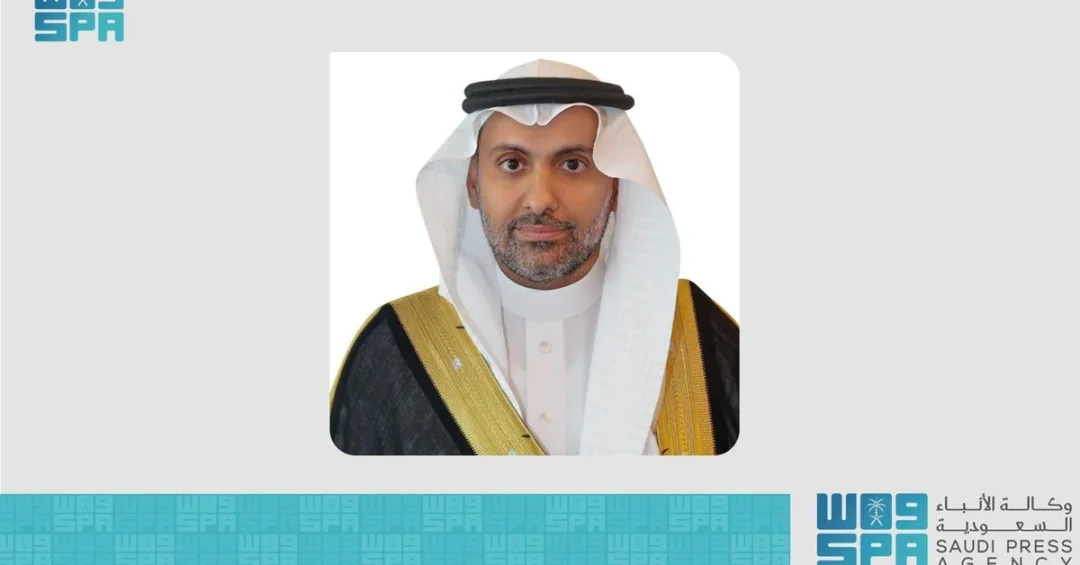
Saudi Minister of Health Fahad Al-Jalajel commenced an official visit to Switzerland on May 26, 2024, leading the Kingdom’s delegation to the 77th World Health Assembly of the World Health Organization (WHO) in Geneva. The assembly, held at the United Nations headquarters, brings together global health leaders to address pressing international health issues and foster cooperation.
Context and Background
The World Health Assembly is the decision-making body of the WHO, attended by delegations from all member states. It focuses on major global health challenges, setting policies and priorities. Saudi Arabia’s active participation underscores its commitment to global health security and its role as a key player in international health diplomacy. The Kingdom has consistently engaged with the WHO on initiatives ranging from pandemic preparedness to combating non-communicable diseases.
Key Details
During the assembly, Minister Al-Jalajel is expected to hold bilateral meetings with international counterparts and leaders of health organizations to enhance cooperation on health-related topics. He will also participate in side events focusing on health security and the improvement of global health systems. Additionally, the minister will attend the 60th session of the Council of Arab Health Ministers’ executive office, accompanied by a delegation of undersecretaries and health leaders from Saudi Arabia. This reflects the Kingdom’s proactive approach to regional health collaboration.
International Impact
Saudi Arabia’s involvement in the World Health Assembly highlights its growing influence in global health governance. By engaging in high-level discussions, the Kingdom contributes to shaping international health policies and addressing shared challenges such as infectious diseases, health emergencies, and access to healthcare. This participation also strengthens Saudi Arabia’s partnerships with other nations and international organizations, aligning with its broader diplomatic efforts under Vision 2030.
Vision 2030 Alignment
Saudi Arabia’s Vision 2030 emphasizes the development of a robust healthcare sector and enhanced international cooperation. The Kingdom’s active role in the World Health Assembly exemplifies its commitment to improving global health outcomes and sharing its expertise. Through such engagements, Saudi Arabia aims to position itself as a leader in health innovation and diplomacy, contributing to a healthier future for all.
20 Questions
Q1. What is the 77th World Health Assembly?
A1. The 77th World Health Assembly is the annual meeting of the World Health Organization’s decision-making body, held in Geneva, Switzerland. It brings together health ministers and leaders from around the world to discuss global health priorities, set policies, and foster international cooperation on health issues.
Q2. Who is leading Saudi Arabia’s delegation to the assembly?
A2. Saudi Arabia’s delegation is led by Minister of Health Fahad Al-Jalajel. He is accompanied by several undersecretaries and health leaders from the Kingdom. Their participation demonstrates Saudi Arabia’s commitment to global health diplomacy and collaboration.
Q3. Where and when did the minister’s visit take place?
A3. The visit began on May 26, 2024, in Switzerland. The assembly is held at the United Nations headquarters in Geneva. The timing aligns with the annual gathering of global health leaders to address critical health challenges.
Q4. What are the main objectives of the minister’s visit?
A4. The main objectives include engaging in discussions with international counterparts, fostering cooperation on health-related topics, and participating in events focused on health security and global health improvement. The visit also includes attending the 60th session of the Council of Arab Health Ministers’ executive office.
Q5. What is the Council of Arab Health Ministers?
A5. The Council of Arab Health Ministers is a regional body that coordinates health policies and initiatives among Arab countries. The 60th session of its executive office provides a platform for Saudi Arabia to collaborate with other Arab nations on shared health priorities and strengthen regional health security.
Q6. How does Saudi Arabia contribute to global health security?
A6. Saudi Arabia contributes through active participation in international health forums, sharing best practices, and implementing robust health measures. The Kingdom’s efforts in pandemic preparedness, disease surveillance, and healthcare infrastructure development are key components of its global health security contributions.
Q7. What are the key health topics discussed at the assembly?
A7. Key topics include pandemic preparedness, universal health coverage, non-communicable diseases, mental health, and health system strengthening. The assembly also addresses emerging health threats and strategies to achieve global health goals.
Q8. How does Saudi Arabia’s participation benefit the Kingdom?
A8. Participation allows Saudi Arabia to showcase its health achievements, learn from international best practices, and build partnerships. It also enhances the Kingdom’s influence in global health policy and supports its Vision 2030 goals for a world-class healthcare system.
Q9. What is the significance of the 60th session of the Council of Arab Health Ministers’ executive office?
A9. The 60th session marks a milestone in regional health cooperation. It provides an opportunity for Arab countries to review progress, address challenges, and coordinate strategies on health issues affecting the region, such as disease outbreaks and health emergencies.
Q10. Who are the international counterparts the minister will meet?
A10. The minister is expected to meet with health ministers from various countries and leaders of international health organizations. These meetings aim to strengthen bilateral and multilateral cooperation on health initiatives and shared priorities.
Q11. What are the accompanying events focused on?
A11. The accompanying events focus on health security and the improvement of global health. They include panel discussions, workshops, and presentations on topics like emergency response, health innovation, and sustainable health financing.
Q12. How does Saudi Arabia’s Vision 2030 relate to health?
A12. Vision 2030 aims to transform Saudi Arabia’s healthcare sector by improving quality, accessibility, and efficiency. It emphasizes preventive care, digital health, and public-private partnerships. International engagement like the World Health Assembly supports these goals through knowledge exchange and collaboration.
Q13. What role does the WHO play in global health?
A13. The WHO leads global efforts to combat diseases, promote health, and ensure equitable access to healthcare. It sets international health standards, coordinates responses to health emergencies, and provides technical support to countries.
Q14. How has Saudi Arabia handled health crises in the past?
A14. Saudi Arabia has effectively managed health crises, including the COVID-19 pandemic, through swift measures, advanced infrastructure, and public cooperation. The Kingdom’s response has been recognized internationally for its efficiency and comprehensive approach.
Q15. What are the expected outcomes of the assembly?
A15. The assembly is expected to adopt resolutions on key health issues, set priorities for the coming year, and strengthen global health cooperation. Outcomes will guide member states in addressing health challenges and improving health outcomes.
Q16. How does Saudi Arabia support health initiatives in other countries?
A16. Saudi Arabia provides aid through organizations like the King Salman Humanitarian Aid and Relief Centre, which implements health projects in vulnerable regions. The Kingdom also shares expertise and resources to help build health capacity in developing countries.
Q17. What is the importance of health diplomacy for Saudi Arabia?
A17. Health diplomacy enhances Saudi Arabia’s international standing and fosters goodwill. It allows the Kingdom to contribute to global health solutions while advancing its foreign policy objectives and strengthening ties with other nations.
Q18. How does the minister’s visit reflect Saudi Arabia’s leadership?
A18. The visit demonstrates Saudi Arabia’s proactive role in global health governance. By leading a delegation and engaging in high-level discussions, the minister showcases the Kingdom’s commitment to addressing global health challenges and its leadership in the region.
Q19. What health challenges are currently prioritized by the WHO?
A19. The WHO prioritizes challenges such as pandemic preparedness, climate change and health, antimicrobial resistance, and universal health coverage. These are critical areas where international cooperation is essential to achieve sustainable health outcomes.
Q20. How can the public stay informed about the assembly’s outcomes?
A20. The public can follow updates through the WHO’s official website and social media channels. Saudi Arabia’s Ministry of Health and the Saudi Press Agency also provide information on the Kingdom’s participation and key outcomes.
Reader Feedback
We value your thoughts. Please share your feedback on this article.
Your feedback helps us improve our coverage.