


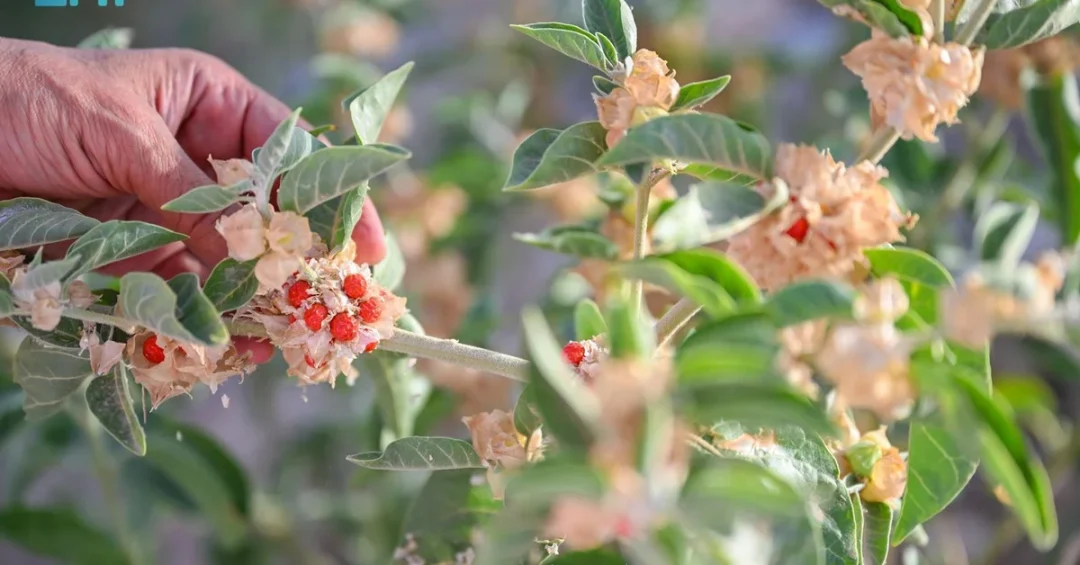
The “abab” plant, locally known as “Saudi ginseng” or “ashwagandha,” has reappeared in the deserts of the Northern Borders Region after a 20-year absence, according to the Saudi Press Agency (SPA). This evergreen shrub, characterized by its yellow flowers, has reemerged alongside other wild plants, signaling a positive environmental shift in the area.
Context and Background
The Northern Borders Region, located in the north of Saudi Arabia, is known for its diverse ecosystems and rich natural heritage. The reemergence of the abab plant, also referred to as ashwagandha, comes after two decades of absence, marking a significant moment for biodiversity in the region. The plant is valued for its medicinal properties and its ability to thrive in arid environments, making its return a notable event for both environmentalists and local communities.
Key Details
In an interview with the Saudi Press Agency (SPA), Nasser Rashid Al-Majlad, Director of the Aman Environmental Association in the region, highlighted the economic opportunities presented by the area’s rich green wealth. He emphasized that utilizing natural plant resources can enhance biodiversity, combat desertification, expand green spaces, promote tourism, and foster human development. Al-Majlad noted that these efforts align with the principles of the green economy, which seeks to balance economic and environmental needs for the benefit of both humanity and the planet.
Khonaysser Al-Anazi, a plant enthusiast, attributed the reappearance of the abab plants on the outskirts of Arar city to increased rainfall and the expansion of green areas. He pointed out the potential for cultivation and utilization of these plants for various purposes, including medicinal and commercial applications.
Implications and Impact
The return of the abab plant has broader implications for Saudi Arabia’s environmental and economic landscape. It underscores the Kingdom’s commitment to preserving its natural heritage while exploring sustainable economic opportunities. The reemergence of such plants could boost local tourism, attract researchers, and support the development of a green economy. Additionally, it reflects the success of ongoing environmental initiatives in the region, which aim to restore ecosystems and promote sustainable practices.
Vision 2030 Alignment
This development aligns with Saudi Vision 2030, which prioritizes environmental sustainability, economic diversification, and the enhancement of quality of life. By leveraging natural resources responsibly, the Kingdom aims to create a balanced approach to development that benefits both people and the planet. The return of the abab plant serves as a testament to the progress made in environmental conservation and sustainable development, reinforcing Saudi Arabia’s role as a leader in green initiatives both regionally and globally.
20 Questions
Q1. What is the abab plant commonly known as?
A1. The abab plant is commonly known as “Saudi ginseng” or “ashwagandha.” It is an evergreen shrub with yellow flowers that has recently reappeared in the Northern Borders Region after a 20-year absence.
Q2. Where has the abab plant reappeared after 20 years?
A2. The abab plant has reappeared in the deserts of the Northern Borders Region of Saudi Arabia. This area is known for its rich natural heritage and diverse ecosystems, and the plant’s return marks a positive environmental development.
Q3. Who is the Director of the Aman Environmental Association in the region?
A3. Nasser Rashid Al-Majlad is the Director of the Aman Environmental Association in the Northern Borders Region. He highlighted the economic opportunities presented by the area’s green wealth and its alignment with green economy principles.
Q4. What are the potential benefits of utilizing natural plant resources in the region?
A4. Utilizing natural plant resources can enhance biodiversity, combat desertification, expand green spaces, promote tourism, and foster human development. These efforts also support the principles of the green economy, balancing economic and environmental needs.
Q5. What is the green economy?
A5. The green economy is an economic model that aims to balance economic growth with environmental sustainability. It seeks to meet the needs of both humanity and the planet by promoting practices that reduce environmental risks and ecological scarcities.
Q6. Who is Khonaysser Al-Anazi?
A6. Khonaysser Al-Anazi is a plant enthusiast who commented on the reappearance of the abab plants. He attributed their return to increased rainfall and the expansion of green areas, and highlighted their potential for cultivation and utilization.
Q7. What caused the reappearance of the abab plants according to Khonaysser Al-Anazi?
A7. According to Khonaysser Al-Anazi, the abab plants reappeared due to increased rainfall and the expansion of green areas. These factors created favorable conditions for the plants to thrive once again in the region.
Q8. What are the medicinal properties of the abab plant?
A8. The abab plant, also known as ashwagandha, is valued for its medicinal properties. It is used in traditional medicine for its adaptogenic and healing qualities, and its return could support both local health practices and potential commercial applications.
Q9. How does the return of the abab plant contribute to biodiversity?
A9. The return of the abab plant contributes to biodiversity by adding to the variety of plant life in the region. It supports ecosystem health, provides habitat for wildlife, and helps maintain ecological balance, which is essential for sustainable development.
Q10. What role does the Aman Environmental Association play?
A10. The Aman Environmental Association, led by Nasser Rashid Al-Majlad, works to promote environmental conservation and sustainable development in the Northern Borders Region. It highlights economic opportunities from natural resources and advocates for green economy principles.
Q11. How can the abab plant help combat desertification?
A11. The abab plant can help combat desertification by stabilizing soil, reducing erosion, and thriving in arid conditions. Its presence supports land restoration efforts and contributes to expanding green spaces in desert environments.
Q12. What tourism opportunities might arise from the return of the abab plant?
A12. The return of the abab plant could attract tourists interested in nature, herbal medicine, and eco-tourism. It may lead to guided tours, educational programs, and the development of local products, boosting the region’s tourism sector.
Q13. How does the abab plant support human development?
A13. The abab plant supports human development by providing resources for medicine, livelihoods, and economic activities. Its cultivation and utilization can create jobs, enhance local knowledge, and improve community well-being through sustainable practices.
Q14. What is the significance of the abab plant’s return for Saudi Arabia?
A14. The return of the abab plant signifies environmental recovery and the success of sustainability efforts in Saudi Arabia. It reflects the Kingdom’s commitment to preserving natural heritage and aligns with Vision 2030 goals for a greener future.
Q15. How does the reappearance align with Saudi Vision 2030?
A15. The reappearance aligns with Saudi Vision 2030 by promoting environmental sustainability, economic diversification, and quality of life improvements. It supports the goals of a green economy and showcases the Kingdom’s leadership in sustainable development.
Q16. What other wild plants have reemerged alongside the abab plant?
A16. Alongside the abab plant, other wild plants have also reemerged in the Northern Borders Region. This indicates a broader environmental recovery, likely due to increased rainfall and conservation efforts, enhancing the region’s ecological richness.
Q17. What economic opportunities does the abab plant present?
A17. The abab plant presents economic opportunities in herbal medicine, cosmetics, and wellness products. Its cultivation can support local industries, create jobs, and contribute to a green economy, benefiting both the region and the nation.
Q18. How can the cultivation of abab be utilized?
A18. The cultivation of abab can be utilized for medicinal purposes, health supplements, and traditional remedies. It can also be developed into commercial products, supporting local economies and sustainable agricultural practices in Saudi Arabia.
Q19. What environmental challenges does the Northern Borders Region face?
A19. The Northern Borders Region faces challenges such as desertification, water scarcity, and loss of biodiversity. The return of the abab plant and other wild plants indicates progress in addressing these issues through conservation and sustainable land management.
Q20. How can the green economy benefit Saudi Arabia?
A20. The green economy can benefit Saudi Arabia by fostering sustainable growth, reducing environmental impact, and creating new economic sectors. It aligns with Vision 2030, promoting diversification, innovation, and a better quality of life for all.
Reader Feedback
We value your thoughts. Please share your feedback on this article.
Your feedback helps us improve our coverage.