


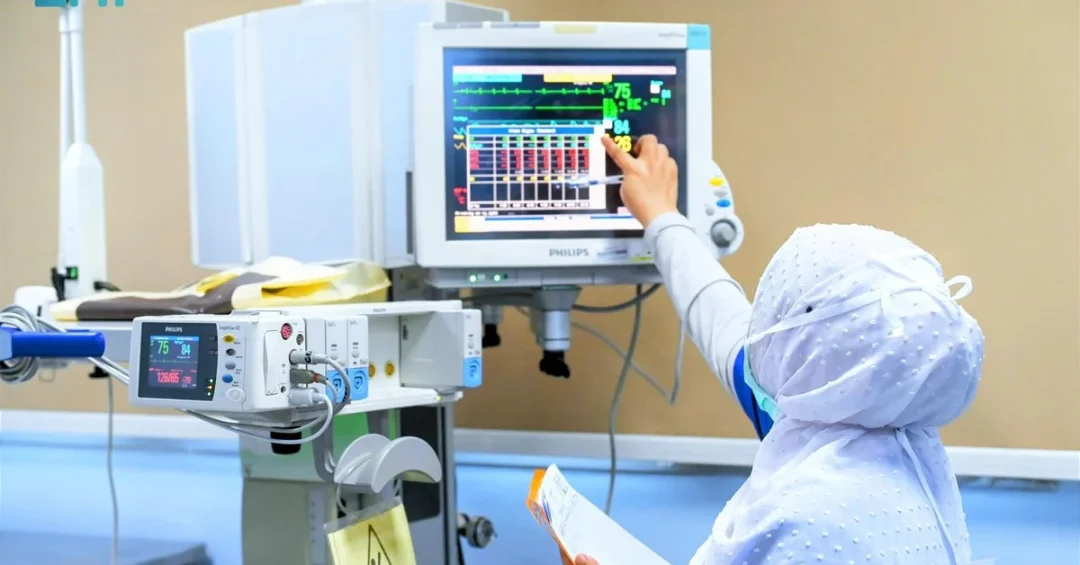
More than 12,000 pilgrims have received healthcare services in Madinah since the beginning of Dhu-AlQa’dah, according to the Saudi Ministry of Health. The announcement, made via the Saudi Press Agency on May 25, 2024, highlights the comprehensive medical support provided to visitors during their stay in the holy city. The Madinah Health Cluster reported that 10,748 pilgrims were treated at seasonal health centers near the Prophet’s Mosque and the central area, while emergency departments in hospitals received 1,323 additional visitors during the same period.
Context and Background
Madinah, one of Islam’s holiest cities, welcomes millions of pilgrims annually, particularly during the Hajj and Umrah seasons. The Saudi Ministry of Health operates a network of seasonal facilities and health centers specifically designed to meet the medical needs of pilgrims, ensuring they receive timely and high-quality care. These services are part of the Kingdom’s broader commitment to the well-being of all visitors, reflecting the leadership’s dedication to facilitating a safe and spiritually fulfilling pilgrimage experience.
Key Details
In addition to routine consultations, the health cluster reported that 31 heart catheterization procedures—both therapeutic and diagnostic—were performed. Furthermore, 38 pilgrims from various nationalities required surgical interventions, and 37 kidney dialysis sessions were conducted. These figures underscore the advanced medical capabilities available in Madinah, with specialized teams and equipment on standby to handle complex cases. The seasonal health centers are strategically located to provide easy access for pilgrims, ensuring that medical assistance is never far away.
Implications and Impact
The provision of such extensive healthcare services demonstrates Saudi Arabia’s operational excellence in managing large-scale gatherings. By ensuring that pilgrims receive prompt and effective treatment, the Kingdom not only safeguards their health but also enhances the overall experience of the pilgrimage. This commitment to care is a key component of the country’s strategy to position itself as a global hub for Islamic tourism, with a focus on quality services and infrastructure. The data also reflects the efficiency of the Madinah Health Cluster in coordinating resources across multiple facilities, from primary care centers to advanced hospital departments.
Vision 2030 Alignment
These efforts align directly with Saudi Arabia’s Vision 2030, which aims to increase the capacity to host Umrah pilgrims and improve the quality of services provided to them. The Ministry of Health’s initiatives, including the deployment of seasonal health centers and specialized medical teams, are integral to achieving the Vision’s goal of offering a distinguished experience for pilgrims. As the Kingdom continues to modernize its healthcare sector, such achievements underscore its commitment to the well-being of visitors and its role as a leader in the Islamic world. The successful delivery of these services in Madinah serves as a testament to the progress being made under Vision 2030, ensuring that every pilgrim receives the care and respect they deserve.
20 Questions
Q1. How many pilgrims received healthcare services in Madinah since the beginning of Dhu-AlQa’dah?
A1. More than 12,000 pilgrims received healthcare services in Madinah during the first 17 days of Dhu-AlQa’dah, as reported by the Saudi Ministry of Health through the Madinah Health Cluster.
Q2. What is the Madinah Health Cluster?
A2. The Madinah Health Cluster is a regional health administration under the Saudi Ministry of Health, responsible for coordinating and delivering healthcare services across Madinah, including seasonal facilities for pilgrims.
Q3. Where are the seasonal health centers located?
A3. The seasonal health centers are located near the Prophet’s Mosque and the central area of Madinah, providing easy access for pilgrims staying in the city.
Q4. How many pilgrims were treated at the seasonal health centers?
A4. A total of 10,748 pilgrims received healthcare services at the seasonal health centers near the Prophet’s Mosque and the central area during the specified period.
Q5. How many pilgrims visited emergency departments?
A5. Emergency departments in Madinah hospitals received 1,323 pilgrims since the beginning of Dhu-AlQa’dah, according to the Madinah Health Cluster.
Q6. What types of heart procedures were performed?
A6. The health cluster reported 31 heart catheterization procedures, including both therapeutic and diagnostic interventions, indicating advanced cardiac care availability.
Q7. How many pilgrims required surgical procedures?
A7. The medical condition of 38 pilgrims from various nationalities necessitated surgical procedures during the period, as stated in the official report.
Q8. How many kidney dialysis sessions were conducted?
A8. A total of 37 kidney dialysis sessions were conducted for pilgrims, ensuring that those with renal conditions received necessary treatment.
Q9. What is the significance of these healthcare services?
A9. These services demonstrate Saudi Arabia’s commitment to the health and well-being of pilgrims, ensuring they can perform their religious duties in a safe and supportive environment.
Q10. How does this align with Vision 2030?
A10. Vision 2030 aims to enhance the experience of pilgrims and increase capacity. These healthcare services are a direct implementation of that goal, improving quality and accessibility.
Q11. Are the seasonal health centers staffed by specialized medical teams?
A11. Yes, the centers are equipped with specialized medical teams and advanced equipment to handle a range of health issues, from routine consultations to emergency care.
Q12. What is the role of the Ministry of Health in this?
A12. The Ministry of Health oversees the entire healthcare network, ensuring that seasonal facilities are properly staffed, supplied, and coordinated to meet the needs of pilgrims.
Q13. How are the numbers of pilgrims tracked?
A13. The Madinah Health Cluster collects data from all health facilities, including seasonal centers and hospital emergency departments, to compile comprehensive statistics.
Q14. What nationalities are the pilgrims who received surgery?
A14. The report mentions pilgrims from various nationalities, reflecting the international nature of the pilgrimage, but does not specify the exact countries.
Q15. Are these services available 24/7?
A15. Yes, seasonal health centers and hospital emergency departments operate around the clock to provide continuous care for pilgrims at any time.
Q16. How does this compare to previous years?
A16. The numbers indicate a high level of service utilization, and the Ministry of Health continuously improves its capacity and efficiency based on past experiences.
Q17. What is the significance of the location near the Prophet’s Mosque?
A17. Placing health centers near the Prophet’s Mosque ensures that pilgrims can quickly access medical care without traveling far, which is crucial for their comfort and safety.
Q18. Are there any preventive health measures in place?
A18. In addition to treatment, the health cluster likely implements preventive measures such as vaccination campaigns and health awareness programs, though not detailed in the report.
Q19. How does this support the pilgrimage experience?
A19. By providing reliable healthcare, pilgrims can focus on their spiritual journey with peace of mind, knowing that medical assistance is readily available if needed.
Q20. What is the future outlook for healthcare services for pilgrims?
A20. Saudi Arabia continues to invest in healthcare infrastructure and technology, aiming to further enhance services for pilgrims as part of its Vision 2030 goals, ensuring a world-class experience.
Reader Feedback
We value your thoughts. Please share your feedback on this article.
Your feedback helps us improve our coverage.