


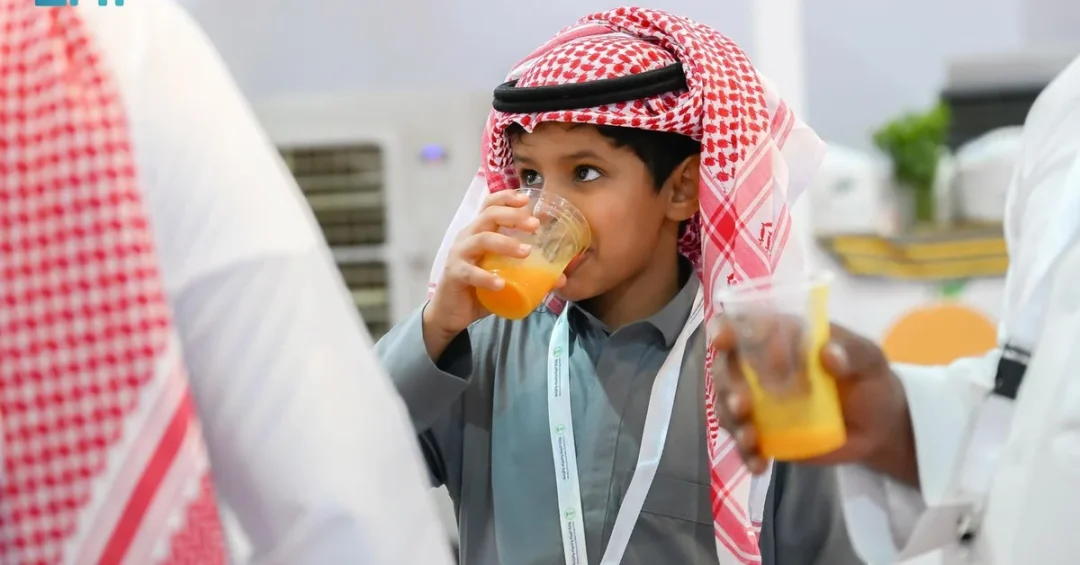
The Second Mango Festival in Al-Makhwah Governorate, organized by the Ministry of Environment, Water, and Agriculture, is currently underway, drawing 30 farmers, government agencies, volunteers, and productive families in a vibrant celebration of local agriculture and community collaboration. The festival, held in the Al-Baha region, highlights the Kingdom’s rich agricultural heritage and underscores the Ministry’s commitment to supporting farmers and promoting sustainable development in line with Saudi Vision 2030.
Context and Background
The Al-Makhwah Mango Festival is a community-driven initiative that has quickly become a hallmark of the region’s agricultural calendar. Now in its second edition, the festival builds on the success of its inaugural year, further establishing Al-Baha as a key contributor to Saudi Arabia’s agricultural diversity. The event is organized by the Ministry of Environment, Water, and Agriculture, which has been instrumental in providing resources and support to local farmers. The festival not only showcases the region’s premium mango varieties but also serves as a platform for knowledge exchange and cultural enrichment. By bringing together farmers, government entities, and volunteers, the festival exemplifies the collaborative spirit that is central to Saudi Arabia’s development ethos.
Key Details
At the heart of the festival are the 30 participating farmers, who display their finest mangoes in private pavilions. Visitors have the unique opportunity to explore different varieties, select the best mangoes, and engage directly with the growers. Beyond the exhibition, the festival offers a range of activities designed to educate and entertain. Agricultural workshops provide insights into best practices for mango cultivation, while cultural competitions celebrate local traditions. The festival also caters to families and children with theatrical performances, a children’s studio, folk songs, games, and various shows, ensuring a festive atmosphere for all ages.
Implications and Impact
The Second Mango Festival is more than just a celebration; it is a strategic initiative that boosts the local economy. Through various sales outlets, farmers can directly market their produce, increasing their income and stimulating regional trade. The event also promotes Al-Baha’s agricultural products to a wider audience, potentially opening new markets beyond the region. Moreover, the festival fosters social cohesion by involving productive families and volunteers, reinforcing the fabric of the community. By highlighting the quality and diversity of Saudi mangoes, the festival contributes to the Kingdom’s food security goals and enhances the agricultural sector’s contribution to the national economy.
Vision 2030 Alignment
This festival aligns seamlessly with Saudi Vision 2030, which seeks to diversify the economy, support local industries, and enhance the quality of life for citizens. By empowering farmers, promoting sustainable agriculture, and creating economic opportunities, the event embodies the vision’s objectives. The Ministry of Environment, Water, and Agriculture’s active role in organizing the festival reflects the government’s dedication to rural development and food self-sufficiency. As Saudi Arabia continues to transform, initiatives like the Mango Festival demonstrate how local heritage and modern aspirations can converge to build a prosperous future.
20 Questions
Q1. What is the Second Mango Festival in Al-Makhwah?
A1. The Second Mango Festival is a community event in Al-Makhwah Governorate, organized by the Ministry of Environment, Water, and Agriculture, celebrating local mango production with 30 farmers, government agencies, and volunteers.
Q2. Where is the festival taking place?
A2. The festival is held in Al-Makhwah Governorate, which is located in the Al-Baha region of Saudi Arabia, known for its agricultural heritage and mango cultivation.
Q3. Who organized the festival?
A3. The festival is organized by the Ministry of Environment, Water, and Agriculture, with support from government and volunteer agencies, and participation from local productive families.
Q4. How many farmers are participating?
A4. Thirty farmers are participating in the festival, showcasing their mango varieties in private pavilions and engaging with visitors.
Q5. What activities are available for visitors?
A5. Visitors can explore mango varieties, participate in agricultural workshops, cultural competitions, and enjoy entertainment like theatrical performances, children’s studio, folk songs, games, and shows.
Q6. What is the significance of the festival for the local economy?
A6. The festival boosts the local economy by providing sales outlets for farmers, increasing their income and promoting regional trade.
Q7. How does the festival support Vision 2030?
A7. It aligns with Vision 2030 by diversifying the economy, supporting local agriculture, and enhancing food security and quality of life.
Q8. Are there educational opportunities at the festival?
A8. Yes, agricultural workshops are offered to share best practices in mango cultivation and other farming techniques.
Q9. What types of mangoes are featured?
A9. Various local mango varieties are displayed, reflecting the rich agricultural diversity of the Al-Baha region.
Q10. Is the festival suitable for children?
A10. Absolutely, the festival includes a children’s studio, theatrical performances, games, and various shows designed for young visitors.
Q11. How does the festival promote community collaboration?
A11. It brings together farmers, government agencies, volunteers, and productive families, fostering a spirit of unity and shared purpose.
Q12. What role do productive families play?
A12. Productive families from the Al-Makhwah market participate, likely selling homemade goods or produce, contributing to the festival’s vibrant atmosphere.
Q13. Are there cultural competitions?
A13. Yes, cultural competitions are part of the festival, celebrating local traditions and engaging participants in friendly contests.
Q14. What is the duration of the festival?
A14. The festival runs for a specific period, though the exact dates are not provided; it is currently ongoing and continues its activities.
Q15. How does the festival benefit farmers?
A15. Farmers gain direct access to consumers, increase sales, and receive recognition for their produce, enhancing their livelihoods.
Q16. Is the festival an annual event?
A16. This is the second edition, indicating it is likely to become an annual tradition in Al-Makhwah.
Q17. What government agencies are involved?
A17. The Ministry of Environment, Water, and Agriculture leads the organization, with support from other government and volunteer agencies.
Q18. How does the festival promote Al-Baha’s agricultural products?
A18. By showcasing mangoes and other products, the festival raises awareness and attracts potential buyers from beyond the region.
Q19. Are there any entry fees?
A19. The information does not specify entry fees; typically such community festivals are free to encourage public participation.
Q20. What makes this festival unique?
A20. Its community-driven nature, focus on local mango varieties, and integration of entertainment and education make it a distinctive and enriching event.
Reader Feedback
We value your thoughts. Please share your feedback on this article.
Your feedback helps us improve our coverage.