


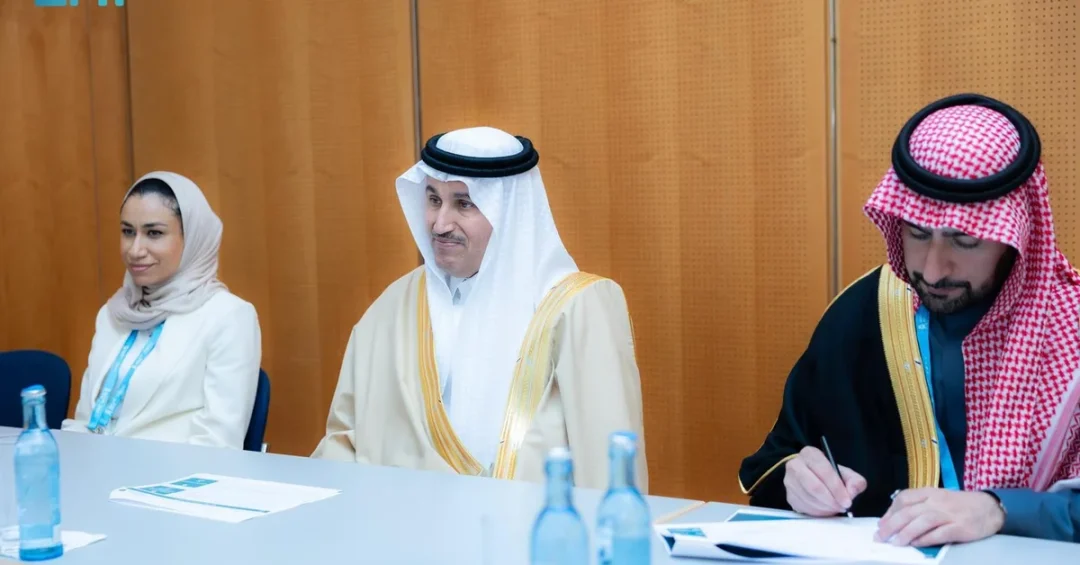
Saudi Minister of Transport and Logistic Services Saleh Al-Jasser held high-level meetings with International Transport Forum (ITF) Secretary General Young Tae Kim and Uzbekistan’s Transport Minister Ilhom Mahkamov on the sidelines of an ITF event in Leipzig, Germany, on May 23, 2024. The discussions underscored Saudi Arabia’s commitment to advancing sustainable transportation and strengthening international partnerships in line with Vision 2030.
Context and Background
The International Transport Forum, an intergovernmental organization within the OECD, brings together transport ministers from around the world to address global mobility challenges. Saudi Arabia’s active participation reflects its growing role in shaping international transport policies and its dedication to sustainable development. The meeting in Leipzig provided a platform for Saudi Arabia to share its vision for a modern, efficient, and environmentally friendly transport network.
Key Details
During the meeting with ITF Secretary General Young Tae Kim, Minister Al-Jasser discussed the forum’s ongoing activities and highlighted Saudi Arabia’s sustainable transportation initiatives, including investments in rail, electric vehicles, and smart mobility solutions. The two leaders explored ways to enhance cooperation on global transport issues, such as decarbonization and digitalization.
In a separate meeting, Minister Al-Jasser and Uzbekistan’s Transport Minister Ilhom Mahkamov discussed avenues for enhancing cooperation in air transportation. They examined opportunities to expand flight connections, share expertise, and facilitate trade and tourism between the two countries. This dialogue aligns with Saudi Arabia’s efforts to strengthen ties with Central Asian nations and diversify its international partnerships.
Implications and Impact
The talks signal Saudi Arabia’s proactive approach to international diplomacy in the transport sector. By engaging with the ITF, the Kingdom contributes to global efforts to reduce carbon emissions and improve connectivity. The meeting with Uzbekistan could lead to increased air links, boosting economic and cultural exchange. These developments support Saudi Arabia’s broader goals of becoming a global logistics hub and a leader in sustainable mobility.
Vision 2030 Alignment
Saudi Arabia’s Vision 2030 aims to transform the Kingdom into a diversified economy and a pivotal player in global trade and tourism. Modernizing transport infrastructure and fostering international cooperation are key pillars of this vision. Minister Al-Jasser’s meetings in Leipzig demonstrate Saudi Arabia’s commitment to these objectives, paving the way for enhanced connectivity and sustainable growth.
20 Questions
Q1. Who represented Saudi Arabia at the ITF event in Leipzig?
A1. Minister of Transport and Logistic Services Saleh Al-Jasser represented Saudi Arabia at the International Transport Forum event in Leipzig, Germany, on May 23, 2024.
Q2. What is the International Transport Forum?
A2. The International Transport Forum is an intergovernmental organization within the OECD that brings together transport ministers to address global mobility challenges and promote sustainable transport policies.
Q3. What topics were discussed between Minister Al-Jasser and ITF Secretary General Young Tae Kim?
A3. They discussed ITF activities and Saudi Arabia’s sustainable transportation initiatives, including investments in rail, electric vehicles, and smart mobility solutions.
Q4. Who is Young Tae Kim?
A4. Young Tae Kim is the Secretary General of the International Transport Forum, leading the organization’s efforts to advance global transport policies and cooperation.
Q5. What was the purpose of Minister Al-Jasser’s meeting with Uzbekistan’s Transport Minister Ilhom Mahkamov?
A5. The meeting aimed to discuss avenues for enhancing cooperation in air transportation between Saudi Arabia and Uzbekistan.
Q6. How does Saudi Arabia’s participation in the ITF reflect its Vision 2030 goals?
A6. It demonstrates Saudi Arabia’s commitment to international collaboration and sustainable development, key pillars of Vision 2030, which seeks to diversify the economy and modernize infrastructure.
Q7. What are some of Saudi Arabia’s sustainable transportation initiatives?
A7. Initiatives include expanding rail networks, promoting electric vehicles, and implementing smart mobility solutions to reduce carbon emissions and improve efficiency.
Q8. What potential benefits could arise from enhanced air transportation cooperation with Uzbekistan?
A8. Enhanced cooperation could lead to increased flight connections, boosting trade, tourism, and cultural exchange between Saudi Arabia and Uzbekistan.
Q9. Why is Saudi Arabia focusing on sustainable transportation?
A9. Sustainable transportation aligns with Vision 2030’s environmental and economic goals, aiming to reduce emissions, improve quality of life, and position Saudi Arabia as a leader in green mobility.
Q10. How does the ITF facilitate global transport cooperation?
A10. The ITF provides a platform for ministers to share best practices, develop policies, and collaborate on challenges such as decarbonization and digitalization in transport.
Q11. What is the significance of Saudi Arabia’s meeting with Uzbekistan in the context of regional diplomacy?
A11. It strengthens Saudi Arabia’s ties with Central Asia, fostering economic partnerships and supporting the Kingdom’s role as a bridge between regions.
Q12. What role does the Ministry of Transport and Logistic Services play in Saudi Arabia?
A12. The ministry oversees the development and regulation of transport and logistics infrastructure, driving modernization and efficiency in line with Vision 2030.
Q13. How might these meetings impact Saudi Arabia’s logistics sector?
A13. They could lead to new international partnerships, investment opportunities, and knowledge exchange, enhancing Saudi Arabia’s logistics capabilities and global competitiveness.
Q14. What are the key features of Saudi Arabia’s National Transport and Logistics Strategy?
A14. The strategy aims to position Saudi Arabia as a global logistics hub by 2030, improving connectivity, sustainability, and efficiency across all transport modes.
Q15. How does Saudi Arabia plan to reduce carbon emissions in the transport sector?
A15. Through investments in electric vehicles, public transit, rail expansion, and smart technologies, Saudi Arabia aims to lower emissions and promote green mobility.
Q16. What is the expected outcome of the talks with the ITF?
A16. The talks are expected to strengthen Saudi Arabia’s collaboration with the ITF on global transport policies and showcase its sustainable initiatives.
Q17. How does Saudi Arabia’s transport modernization support tourism?
A17. Improved transport infrastructure enhances accessibility to tourist destinations, supporting the goal of attracting 100 million visitors annually by 2030.
Q18. What other international transport partnerships has Saudi Arabia pursued?
A18. Saudi Arabia has engaged with various countries and organizations to share expertise, attract investment, and improve connectivity, including in rail and maritime sectors.
Q19. How does the meeting with Uzbekistan align with Saudi Arabia’s foreign policy?
A19. It reflects Saudi Arabia’s focus on strengthening ties with Central Asia, promoting economic cooperation, and diversifying international partnerships.
Q20. What message does Saudi Arabia’s active participation in the ITF send to the global community?
A20. It signals Saudi Arabia’s commitment to international cooperation, sustainable development, and its emergence as a global leader in transport and logistics.
Reader Feedback
We value your thoughts. Please share your feedback on this article.
Your feedback helps us improve our coverage.