


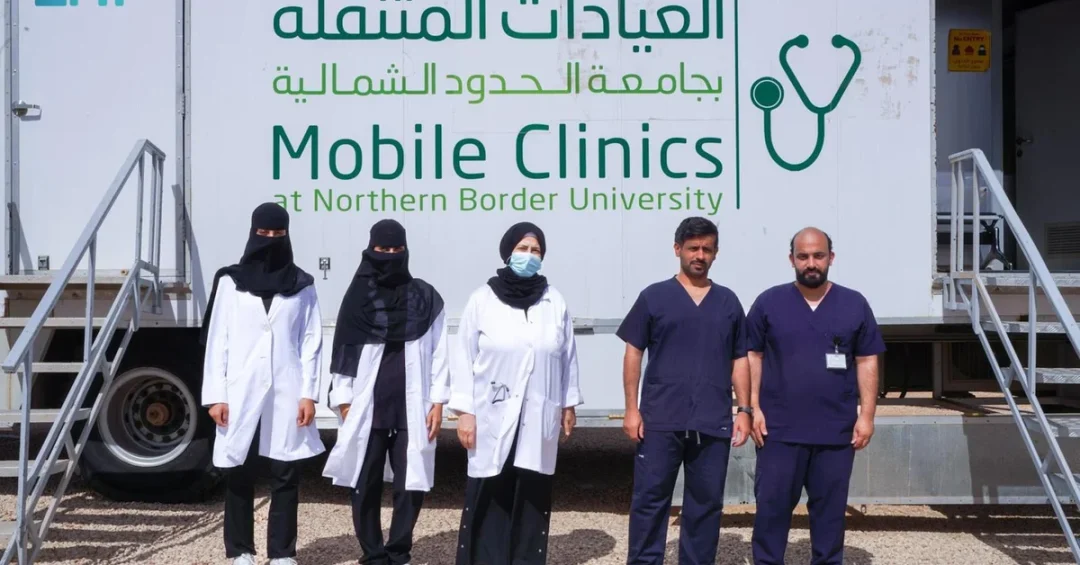
Northern Border University has deployed a specialized medical convoy to serve Iraqi pilgrims entering the Kingdom through the Jadidat Arar Border Crossing, providing essential healthcare services around the clock. The convoy, announced by the Saudi Press Agency on May 23, 2024, includes dentistry, general medicine, and laboratory clinics staffed by a general practitioner, family doctor, dentist, laboratory specialist, and five nurses. They assess pilgrims and deliver medical care, health advice, and ambulance support.
Context and Background
The Jadidat Arar Border Crossing is a vital entry point for pilgrims traveling from Iraq to perform Hajj and Umrah in the Holy Mosque. Recognizing the importance of ensuring the well-being of these guests, Saudi authorities planned early and comprehensively to provide seamless services. The crossing operates 24/7 during pilgrims’ access to the Holy Mosque, reflecting the Kingdom’s commitment to facilitating a safe and spiritually fulfilling journey. Northern Border University, located in the Northern Borders region, plays a key role in this effort by leveraging its academic and medical expertise to support national service initiatives.
Key Details
The medical convoy is equipped with necessary medical equipment and comprises two dentistry clinics, general medicine clinics, and laboratory facilities. The team includes a general practitioner, a family doctor, a dentist, a laboratory specialist, and five nurses. Their responsibilities encompass assessing pilgrims’ health, providing basic medical care, dispensing health advice, and offering ambulance services when needed. This comprehensive setup ensures that any health issues can be addressed promptly. The convoy’s deployment is part of a broader strategy by Saudi authorities to guarantee that the Jadidat Arar Border Crossing’s service facilities run smoothly 24/7 during the pilgrimage season, as reported by the Saudi Press Agency.
Implications and Impact
The presence of this medical convoy significantly enhances the pilgrimage experience for Iraqi pilgrims by mitigating health risks during their journey. It underscores Saudi Arabia’s dedication to serving the guests of God and reflects the Kingdom’s proactive approach to healthcare logistics in remote border areas. Furthermore, this initiative strengthens bilateral ties with Iraq and showcases Saudi Arabia’s leadership in managing large-scale religious tourism. The convoy also provides valuable practical training for Northern Border University’s medical staff and students, fostering community engagement and professional development.
Vision 2030 Alignment
This initiative aligns closely with Saudi Vision 2030, which emphasizes enhancing the quality of life, improving healthcare services, and promoting the Kingdom’s role as a global leader in serving pilgrims. By investing in medical infrastructure and human capital at border crossings, Saudi Arabia demonstrates its commitment to modernizing services and ensuring the well-being of all visitors. Such efforts contribute to the Vision’s goals of sustainable development and international cooperation, reinforcing the Kingdom’s position as a preferred destination for religious tourism.
20 Questions
Q1. What is the purpose of Northern Border University’s medical convoy?
A1. The medical convoy aims to provide essential healthcare services to Iraqi pilgrims entering Saudi Arabia through the Jadidat Arar Border Crossing, ensuring their well-being during their pilgrimage journey.
Q2. Where is the Jadidat Arar Border Crossing located?
A2. The Jadidat Arar Border Crossing is located on the border between Saudi Arabia and Iraq, serving as a key entry point for pilgrims traveling to the Holy Mosque.
Q3. What medical services does the convoy offer?
A3. The convoy offers dentistry, general medicine, and laboratory services, along with health advice, basic medical care, and ambulance support, staffed by a general practitioner, family doctor, dentist, laboratory specialist, and five nurses.
Q4. How many nurses are part of the medical convoy?
A4. There are five nurses included in the medical convoy, contributing to the comprehensive care provided to pilgrims at the border crossing.
Q5. When was the convoy’s deployment announced?
A5. The convoy’s deployment was announced by the Saudi Press Agency on May 23, 2024, highlighting Saudi Arabia’s continuous efforts to serve pilgrims.
Q6. What is the operating schedule of the Jadidat Arar Border Crossing during pilgrimage?
A6. The crossing operates 24 hours a day, seven days a week during pilgrims’ access to the Holy Mosque, ensuring round-the-clock service and support.
Q7. Which university is responsible for the medical convoy?
A7. Northern Border University, based in the Northern Borders region of Saudi Arabia, is responsible for deploying and managing the medical convoy.
Q8. What types of clinics are part of the convoy?
A8. The convoy comprises two dentistry clinics, general medicine clinics, and laboratory clinics, all equipped to handle a range of medical needs.
Q9. How does the convoy support the pilgrimage experience?
A9. By providing immediate medical attention, health advice, and ambulance services, the convoy helps ensure that pilgrims can focus on their spiritual journey without health concerns.
Q10. What is the significance of the convoy for Saudi Arabia’s image?
A10. The convoy demonstrates Saudi Arabia’s commitment to serving guests, enhancing its reputation as a caring and efficient host for religious tourism, in line with Vision 2030.
Q11. Are there any costs for pilgrims receiving medical care from the convoy?
A11. The services are provided free of charge as part of Saudi Arabia’s hospitality and commitment to the well-being of pilgrims, though specific details are not mentioned in the source.
Q12. How does the convoy align with Vision 2030?
A12. It aligns with Vision 2030’s goals of improving healthcare, enhancing quality of life, and strengthening Saudi Arabia’s role in serving pilgrims, showcasing modernization and humanitarian values.
Q13. What equipment does the medical convoy have?
A13. The convoy is equipped with necessary medical equipment to support its clinics and staff, ensuring they can deliver effective care and diagnostics.
Q14. Who benefits from the medical convoy?
A14. Iraqi pilgrims traveling through the Jadidat Arar Border Crossing are the primary beneficiaries, receiving essential health services during their journey to the Holy Mosque.
Q15. How does the convoy contribute to Saudi-Iraqi relations?
A15. By providing care to Iraqi pilgrims, the convoy fosters goodwill and cooperation between Saudi Arabia and Iraq, strengthening bilateral ties and mutual respect.
Q16. What role do the laboratory services play in the convoy?
A16. Laboratory services enable on-site diagnostic testing, helping medical staff quickly assess and address pilgrims’ health conditions, ensuring timely and appropriate care.
Q17. Is the medical convoy a temporary or permanent initiative?
A17. The convoy appears to be a seasonal initiative deployed during the pilgrimage period, as indicated by its service during pilgrims’ access to the Holy Mosque.
Q18. How does the convoy handle emergencies?
A18. The convoy includes ambulance services and medical staff trained to respond to emergencies, providing immediate care and transport if needed.
Q19. What health advice does the convoy provide?
A19. The medical team offers advice on preventive care, medication, and general health practices to help pilgrims maintain their well-being during the pilgrimage.
Q20. How does this initiative reflect Saudi Arabia’s leadership in healthcare?
A20. It showcases Saudi Arabia’s proactive planning, resource allocation, and commitment to leveraging academic institutions for public service, reinforcing its leadership in global health and pilgrimage management.
Reader Feedback
We value your thoughts. Please share your feedback on this article.
Your feedback helps us improve our coverage.