


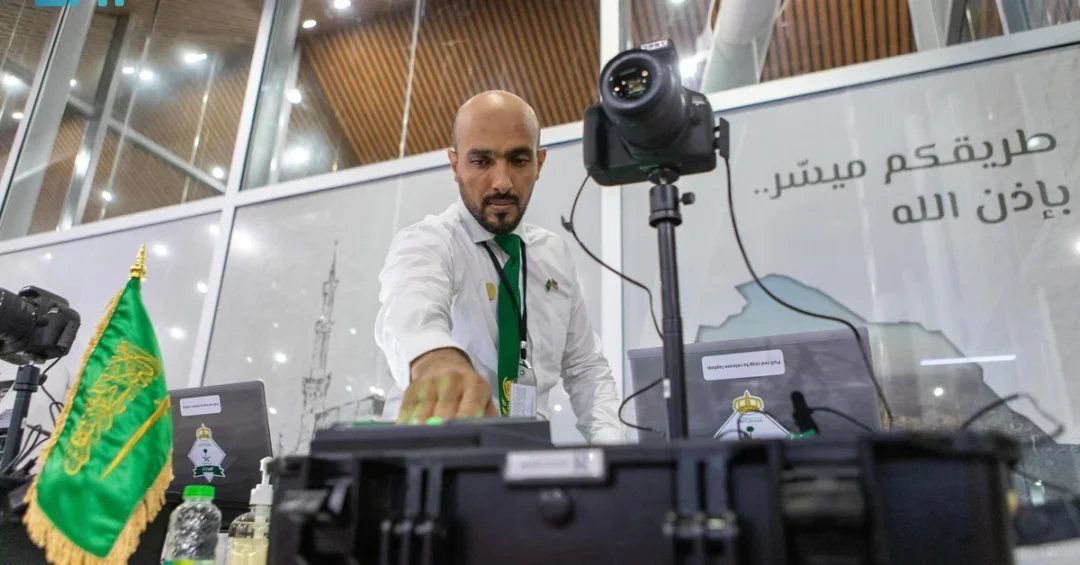
The Makkah Route Initiative is leveraging artificial intelligence and advanced digital solutions to streamline Hajj procedures for pilgrims at Kuala Lumpur International Airport in Malaysia, as part of Saudi Arabia’s Vision 2030 efforts to enhance the pilgrim experience. According to the Saudi Press Agency (SPA), the initiative has successfully implemented modern technology systems in its designated lounge at the airport, enabling beneficiaries to complete their travel procedures with ease and convenience. This aligns with the Kingdom’s commitment to providing exceptional services to Hajj pilgrims.
Context and Background
The Makkah Route Initiative, one of the key projects of the Ministry of Interior under the Pilgrim Experience Program, is now in its sixth year of implementation. It operates at eleven international airports across seven countries: Morocco, Indonesia, Malaysia, Pakistan, Bangladesh, Turkiye, and Côte d’Ivoire. The initiative is a collaborative effort involving several Saudi ministries and authorities, including the Ministry of Foreign Affairs, the Ministry of Health, the Ministry of Hajj and Umrah, the Ministry of Media, the General Authority of Civil Aviation, the Zakat, Tax and Customs Authority, and the Saudi Data and AI Authority. Together, they work to facilitate the Hajj journey for pilgrims by completing procedures at their departure airports.
Key Details
At Kuala Lumpur International Airport, the Makkah Route Initiative lounge utilizes artificial intelligence and innovative digital solutions to expedite the pilgrimage process. Pilgrims benefit from electronic Hajj visa issuance, biometric data capture, and completion of passport procedures within the lounge, after verification of health requirements. This integrated approach significantly reduces waiting times and effort for pilgrims, allowing them to focus on their spiritual journey. The initiative reflects Saudi Arabia’s dedication to leveraging technology for public service, in line with the goals of Vision 2030 to modernize and improve government services.
Implications and Impact
The Makkah Route Initiative has far-reaching implications for international pilgrims and Saudi Arabia’s global standing. By streamlining procedures at departure points, it enhances the overall Hajj experience, demonstrating the Kingdom’s leadership in utilizing technology for humanitarian and religious services. This initiative also strengthens bilateral relations with the participating countries and showcases Saudi Arabia’s commitment to international cooperation. Moreover, it sets a benchmark for efficient crowd management and service delivery during large-scale events, reinforcing the Kingdom’s role as a responsible global leader.
Vision 2030 Alignment
The Makkah Route Initiative is a prime example of how Saudi Arabia’s Vision 2030 is transforming the pilgrim experience. By integrating advanced technologies and inter-ministerial collaboration, the Kingdom is not only improving service quality but also enhancing its reputation as a preferred destination for religious tourism. As Vision 2030 progresses, such initiatives will continue to play a vital role in achieving the program’s objectives, including increasing the number of pilgrims and ensuring their comfort and satisfaction. The success of this initiative underscores Saudi Arabia’s unwavering commitment to serving Islam’s holiest sites and their visitors.
20 Questions
Q1. What is the Makkah Route Initiative?
A1. The Makkah Route Initiative is a program by Saudi Arabia’s Ministry of Interior that facilitates Hajj procedures for pilgrims at their departure airports, streamlining visa issuance, biometric data collection, and passport checks.
Q2. Which countries participate in the Makkah Route Initiative?
A2. The initiative operates in seven countries: Morocco, Indonesia, Malaysia, Pakistan, Bangladesh, Turkiye, and Côte d’Ivoire, at eleven international airports.
Q3. When was the Makkah Route Initiative launched?
A3. The initiative was launched in 2017 and is now in its sixth year of implementation, continuously evolving to enhance the Hajj experience.
Q4. What technologies are used in the Makkah Route Initiative?
A4. The initiative uses artificial intelligence, biometric data capture, electronic visa issuance, and digital solutions to expedite procedures and improve efficiency.
Q5. How does the initiative benefit pilgrims?
A5. It saves time and effort by completing necessary procedures at the departure airport, allowing pilgrims to focus on their spiritual journey upon arrival in Saudi Arabia.
Q6. Which Saudi entities are involved in the initiative?
A6. Partners include the Ministry of Interior, Ministry of Foreign Affairs, Ministry of Health, Ministry of Hajj and Umrah, Ministry of Media, General Authority of Civil Aviation, Zakat, Tax and Customs Authority, and Saudi Data and AI Authority.
Q7. What is the Pilgrim Experience Program?
A7. The Pilgrim Experience Program is a Vision 2030 initiative aimed at enhancing the quality of services for pilgrims and visitors to the Two Holy Mosques.
Q8. How does the initiative align with Vision 2030?
A8. It supports Vision 2030 by modernizing government services, improving the pilgrim experience, and showcasing Saudi Arabia’s technological advancement.
Q9. What happens at the Makkah Route Initiative lounge?
A9. Pilgrims complete visa issuance, biometric data capture, passport procedures, and health requirement verification before boarding their flight to Saudi Arabia.
Q10. Is the Makkah Route Initiative mandatory for all pilgrims?
A10. No, it is an optional service available to pilgrims from participating countries, designed to ease their journey.
Q11. How does AI enhance the initiative?
A11. AI helps automate and speed up procedures, ensuring accuracy and reducing waiting times for pilgrims.
Q12. What are the health requirements verified?
A12. Pilgrims must meet health criteria set by Saudi authorities, including vaccinations, to ensure the safety of all attendees.
Q13. Does the initiative cover Umrah pilgrims?
A13. The initiative is primarily for Hajj pilgrims, but similar digital solutions are being explored for Umrah to improve services.
Q14. How many pilgrims benefit from the initiative annually?
A14. Hundreds of thousands of pilgrims from participating countries benefit each year, with numbers increasing as the initiative expands.
Q15. What is the role of the Saudi Data and AI Authority?
A15. The authority provides technical expertise and AI solutions to enhance the efficiency of the initiative’s digital systems.
Q16. Can other countries join the initiative?
A16. Yes, the initiative is open to expansion, and Saudi Arabia welcomes cooperation with more countries to facilitate pilgrims.
Q17. How does the initiative impact Saudi Arabia’s international relations?
A17. It strengthens ties with participating countries and enhances Saudi Arabia’s image as a leader in innovative religious services.
Q18. What feedback have pilgrims given about the initiative?
A18. Pilgrims have praised the initiative for its convenience and efficiency, contributing to a smoother Hajj experience.
Q19. Is the initiative part of Saudi Arabia’s digital transformation?
A19. Yes, it is a key example of the Kingdom’s digital transformation under Vision 2030, integrating technology into public services.
Q20. What are the future plans for the Makkah Route Initiative?
A20. Saudi Arabia aims to expand the initiative to more airports and countries, continuously improving technology and services for pilgrims.
Reader Feedback
We value your thoughts. Please share your feedback on this article.
Your feedback helps us improve our coverage.