


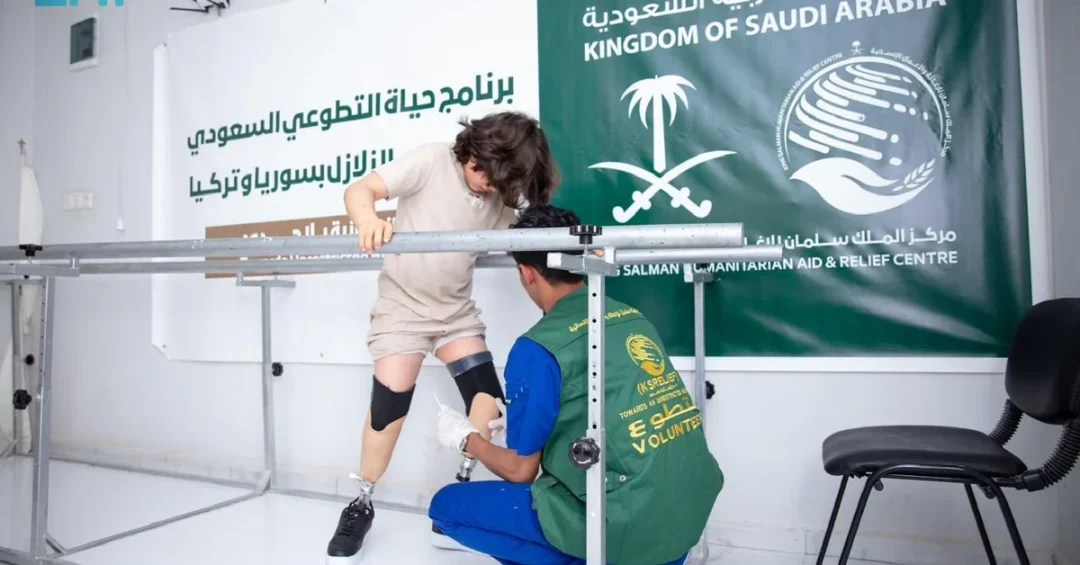
The King Salman Humanitarian Aid and Relief Center (KSrelief) launched a volunteer medical project on May 19, 2024, in Reyhanlı, Türkiye, to fit prosthetic limbs and provide physical therapy to earthquake victims. The initiative, running until May 26, is part of the Saudi “Hayat” Volunteer Program, which assists those affected by earthquakes in Syria and Türkiye. A team of 13 medical volunteers from various specialties has already examined 14 patients, fitted 10 prosthetics, and conducted 19 physical therapy sessions.
Context and Background
The earthquake that struck Türkiye and Syria in February 2023 caused widespread devastation, leaving thousands injured and many in need of long-term rehabilitation. In response, the Kingdom of Saudi Arabia, through KSrelief, has been at the forefront of humanitarian efforts, providing emergency aid and supporting recovery projects. The “Hayat” Volunteer Program is a key component of these efforts, mobilizing Saudi medical professionals to deliver specialized care. This project in Reyhanlı represents a continuation of Saudi Arabia’s commitment to alleviating the suffering of earthquake victims and helping them rebuild their lives.
Key Details
The volunteer medical project in Reyhanlı involves 13 volunteers specializing in orthopedics, prosthetics, physical therapy, and rehabilitation. Since its launch on May 19, the team has examined 14 patients, fitted 10 prosthetic limbs, and provided 19 sessions of physical therapy. The project is scheduled to run until May 26, 2024. This initiative is part of the broader “Hayat” Volunteer Program, which reflects Saudi Arabia’s unwavering dedication to humanitarian causes worldwide. By offering these services, KSrelief aims to restore mobility and dignity to those who have lost limbs in the earthquakes.
Implications and Impact
The project delivers immediate relief to earthquake victims while also strengthening ties between Saudi Arabia and Türkiye. It showcases the Kingdom’s leadership in humanitarian aid and its ability to mobilize skilled volunteers quickly. For patients, receiving prosthetics and physical therapy can be life-changing, enabling them to regain independence and return to daily activities. On a broader scale, this initiative reinforces Saudi Arabia’s role as a global humanitarian leader and promotes goodwill and stability in the region. It also aligns with the Kingdom’s efforts to support international recovery and development.
Vision 2030 Alignment
This humanitarian project exemplifies Saudi Arabia’s Vision 2030 goals, which include enhancing the Kingdom’s global presence and fostering a spirit of social responsibility. By extending a helping hand to those in need, Saudi Arabia demonstrates its commitment to humanitarian values and international cooperation. Such initiatives not only provide critical aid but also strengthen diplomatic relations and showcase the Kingdom’s capacity to lead in global relief efforts. As Vision 2030 progresses, Saudi Arabia will continue to play a pivotal role in addressing global challenges and promoting peace and prosperity.
20 Questions
Q1. What is the King Salman Humanitarian Aid and Relief Center (KSrelief)?
A1. KSrelief is a Saudi humanitarian organization that provides aid and relief to countries and people in need worldwide. It is the humanitarian arm of Saudi Arabia and implements various projects in health, education, and disaster response, reflecting the Kingdom’s commitment to global philanthropy.
Q2. Where and when was the volunteer medical project launched?
A2. The project was launched in Reyhanlı, Türkiye, on May 19, 2024, and will continue until May 26, 2024. It focuses on fitting prosthetic limbs and providing physical therapy to earthquake victims.
Q3. What is the “Hayat” Volunteer Program?
A3. The “Hayat” Volunteer Program is a Saudi initiative under KSrelief that mobilizes volunteers to assist earthquake victims in Syria and Türkiye. It is part of Saudi Arabia’s broader humanitarian efforts in the region.
Q4. How many volunteers are participating in the project?
A4. There are 13 volunteers participating, representing various medical specialties such as orthopedics, prosthetics, and physical therapy. They are dedicating their time and expertise to help those affected by the earthquakes.
Q5. How many patients have been examined so far?
A5. As of the latest update, the volunteer medical team has examined 14 patients since the start of the project. This number is expected to grow as the project continues through May 26.
Q6. How many prosthetic limbs have been fitted?
A6. The team has fitted 10 prosthetic limbs so far. These prosthetics are custom-made to meet the specific needs of each patient, helping them regain mobility and improve their quality of life.
Q7. How many physical therapy sessions have been provided?
A7. The team has provided 19 sessions of physical therapy. These sessions are crucial for helping patients adapt to their new prosthetics and regain strength and function.
Q8. Why is this project important for earthquake victims?
A8. Many earthquake victims suffered limb loss, and without proper prosthetics and therapy, they face lifelong challenges. This project provides them with the tools and support needed to rebuild their lives with dignity.
Q9. What is the duration of the project?
A9. The project runs from May 19 to May 26, 2024. During this period, the volunteer team will continue to provide services to as many patients as possible.
Q10. How does this project reflect Saudi Arabia’s humanitarian efforts?
A10. It demonstrates Saudi Arabia’s ongoing commitment to helping countries in need, particularly those affected by natural disasters. Through KSrelief, the Kingdom extends its reach globally to provide essential aid.
Q11. What is the significance of the “Hayat” Volunteer Program?
A11. The program highlights Saudi Arabia’s proactive approach to humanitarian aid by deploying skilled volunteers. It also strengthens ties with affected communities and showcases the Kingdom’s leadership in global relief.
Q12. Which countries benefit from the “Hayat” Volunteer Program?
A12. The program primarily assists earthquake victims in Syria and Türkiye, but it is part of Saudi Arabia’s broader efforts to help people in need worldwide.
Q13. How does KSrelief select its volunteers?
A13. KSrelief selects volunteers based on their medical expertise and experience in relevant fields. They are chosen to ensure the highest quality of care for beneficiaries.
Q14. What types of medical specialties are represented?
A14. The specialties include orthopedics, prosthetics, physical therapy, and rehabilitation. This multidisciplinary approach ensures comprehensive care for patients.
Q15. What impact does the project have on Saudi-Turkish relations?
A15. The project strengthens bilateral relations by demonstrating Saudi Arabia’s solidarity with Türkiye during its recovery. It fosters goodwill and cooperation between the two nations.
Q16. How does this project align with Vision 2030?
A16. Vision 2030 emphasizes Saudi Arabia’s global role and social responsibility. This project reflects those goals by providing humanitarian aid and enhancing the Kingdom’s international standing.
Q17. Are there any future plans to expand the project?
A17. While specific plans are not detailed, KSrelief continues to assess needs and may launch similar initiatives. The Kingdom remains committed to supporting recovery efforts in the region.
Q18. How can other organizations support such initiatives?
A18. Organizations can collaborate with KSrelief or contribute resources to support similar humanitarian projects. Partnerships amplify the impact and reach of aid efforts.
Q19. What is the overall goal of the project?
A19. The goal is to restore mobility and improve the quality of life for earthquake victims by providing prosthetic limbs and physical therapy, enabling them to lead independent lives.
Q20. How does this project reflect Saudi Arabia’s values?
A20. It embodies the Kingdom’s compassion, generosity, and commitment to helping those in need, aligning with Islamic principles and the nation’s humanitarian ethos.
Reader Feedback
We value your thoughts. Please share your feedback on this article.
Your feedback helps us improve our coverage.