


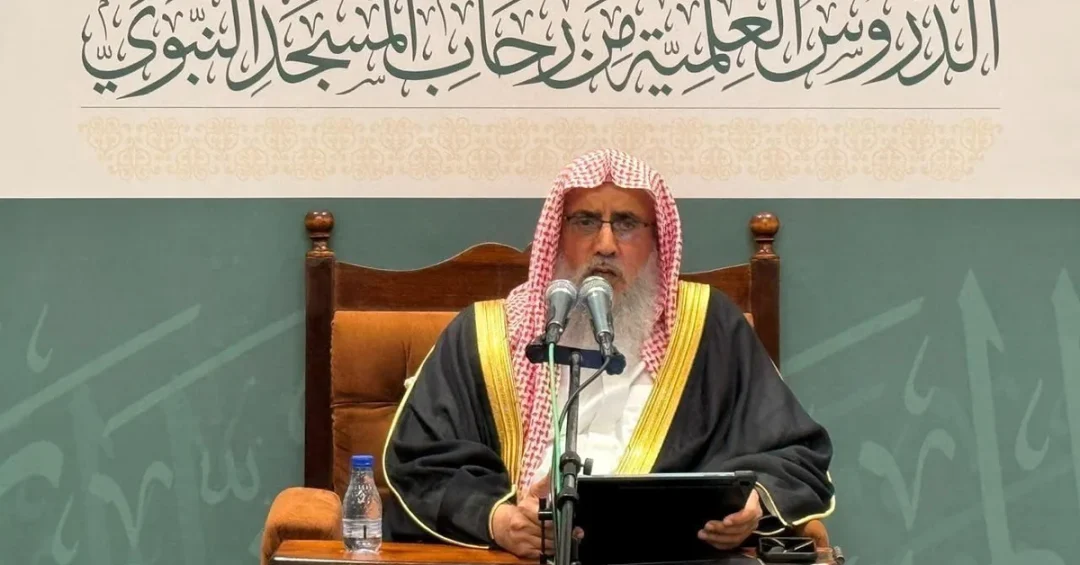
The Presidency of Religious Affairs is delivering comprehensive Islamic sciences lessons at the Grand Mosque in Makkah and the Prophet’s Mosque in Madinah, while expanding digital broadcasts to reach global audiences, according to the Saudi Press Agency (SPA). The initiative reflects the Kingdom’s commitment to serving the Two Holy Mosques and disseminating moderate Islamic teachings worldwide.
Context and Background
The Presidency of Religious Affairs oversees permanent educational programs at both holy sites, where select scholars, imams, and teachers provide lessons in various Islamic disciplines to worshippers and visitors. These programs operate year-round, ensuring that pilgrims and visitors have access to authentic religious knowledge during their spiritual journeys.
During peak seasons such as Ramadan and Hajj, the presidency significantly scales these programs to accommodate the surge in visitors. Specialized courses, ritual jurisprudence lectures, and on-site guidance are offered in multiple languages, enabling diverse international audiences to benefit from the teachings.
Key Details
The presidency has integrated digital platforms to broadcast lessons, lectures, and guidance programs globally, allowing international audiences to follow religious teachings directly from the Two Holy Mosques in real time. This digital expansion aligns with Saudi Arabia’s broader efforts to harness technology for religious education and outreach.
Furthermore, the presidency documents the scholarly heritage of the Two Holy Mosques by converting lessons, sermons, and fatwas into printed educational publications and concise audiovisual and digital materials. This systematic preservation ensures that the rich Islamic knowledge emanating from the holy sites remains accessible to beneficiaries around the world for generations to come.
Implications and Impact
The expansion of digital broadcasts and educational programs underscores Saudi Arabia’s leadership in promoting moderate Islam and serving the global Muslim community. By making these resources available online, the Kingdom enables Muslims worldwide to deepen their understanding of their faith and engage with the spiritual core of Islam.
This initiative also enhances the pilgrimage experience, as visitors can access guidance in multiple languages, facilitating their performance of rituals. The documentation efforts contribute to the preservation of Islamic scholarship, ensuring that future generations can benefit from the teachings of renowned scholars associated with the Two Holy Mosques.
Vision 2030 Alignment
These efforts are fully aligned with Saudi Vision 2030, which emphasizes the Kingdom’s role as a global leader in serving Islam and Muslims. By leveraging digital technologies and enhancing the quality of services at the Two Holy Mosques, the presidency supports the vision’s objectives of enriching the pilgrimage experience and promoting cultural and religious exchange. Through such initiatives, Saudi Arabia continues to demonstrate its unwavering commitment to the Two Holy Mosques and to spreading the message of peace and moderation worldwide.
20 Questions
Q1. What is the Presidency of Religious Affairs?
A1. The Presidency of Religious Affairs is a Saudi government body responsible for overseeing religious programs and services at the Grand Mosque in Makkah and the Prophet’s Mosque in Madinah, ensuring the dissemination of moderate Islamic teachings.
Q2. What types of lessons are offered at the Two Holy Mosques?
A2. Select scholars, imams, and teachers deliver comprehensive lessons in Islamic sciences, covering various disciplines such as jurisprudence, theology, and Quranic studies, to worshippers and visitors throughout the year.
Q3. How does the presidency scale programs during peak seasons?
A3. During Ramadan and Hajj, the presidency offers specialized courses, ritual jurisprudence lectures, and on-site guidance in multiple languages to accommodate the large number of visitors and ensure they receive proper religious instruction.
Q4. In what languages are the lessons delivered?
A4. Lessons are delivered in multiple languages to cater to the diverse international audience of pilgrims and visitors, ensuring that non-Arabic speakers can also benefit from the educational programs.
Q5. What digital platforms does the presidency use for broadcasting?
A5. The presidency leverages various digital platforms to broadcast lessons, lectures, and guidance programs worldwide, enabling international audiences to follow religious teachings directly from the Two Holy Mosques in real time.
Q6. How does the digital integration benefit international audiences?
A6. It allows Muslims around the world to access authentic religious education from the holy sites, bridging geographical distances and fostering a deeper connection with the Two Holy Mosques.
Q7. What is the purpose of documenting the scholarly heritage?
A7. Documenting lessons, sermons, and fatwas ensures their preservation for future generations and makes them accessible to a global audience through printed publications and digital materials.
Q8. What formats are used for documentation?
A8. The presidency converts content into printed educational publications as well as concise audiovisual and digital materials, catering to different preferences and enhancing accessibility.
Q9. How does this initiative support Saudi Vision 2030?
A9. It aligns with Vision 2030 by promoting Saudi Arabia’s role as a global leader in serving Islam, enhancing the pilgrimage experience, and leveraging digital technology to spread moderate Islamic values.
Q10. Who delivers the lessons at the Two Holy Mosques?
A10. Select scholars, imams, and teachers who are recognized for their expertise in Islamic sciences deliver the lessons, ensuring high-quality and authentic religious education.
Q11. Are the lessons available to non-Arabic speakers?
A11. Yes, the presidency provides lessons and guidance in multiple languages, making them accessible to non-Arabic speakers among the pilgrims and visitors.
Q12. How does the presidency accommodate the surge in visitors during Hajj?
A12. It scales up its programs by offering additional specialized courses, ritual jurisprudence lectures, and on-site guidance in multiple languages to meet the increased demand.
Q13. What is the significance of real-time broadcasting?
A13. Real-time broadcasting allows international audiences to participate in the spiritual experience as it happens, fostering a sense of unity and immediacy in accessing religious teachings.
Q14. How does this initiative promote moderate Islam?
A14. By disseminating authentic and balanced Islamic teachings from the Two Holy Mosques, the initiative counters extremism and promotes the moderate values that Saudi Arabia upholds.
Q15. What role does technology play in this initiative?
A15. Technology enables the presidency to reach a global audience, preserve scholarly content, and provide accessible religious education through digital platforms, aligning with modern communication trends.
Q16. Are the digital materials free to access?
A16. The presidency typically makes these resources available freely to ensure that knowledge from the Two Holy Mosques is accessible to all, regardless of financial means.
Q17. How does this benefit the global Muslim community?
A17. It provides Muslims worldwide with authentic religious guidance, strengthens their connection to the holy sites, and supports their spiritual growth and understanding of Islam.
Q18. What is the long-term goal of preserving the scholarly heritage?
A18. The goal is to safeguard the rich Islamic knowledge for future generations, ensuring that the teachings of the Two Holy Mosques remain a source of guidance for Muslims around the world.
Q19. How does the presidency ensure the accuracy of the teachings?
A19. Lessons are delivered by qualified scholars and imams who adhere to the moderate and authentic interpretation of Islam, ensuring reliability and correctness.
Q20. How can one access these lessons and materials?
A20. Lessons and materials are accessible through the official digital platforms of the Presidency of Religious Affairs, as well as through printed publications available at the Two Holy Mosques and affiliated centers.
Reader Feedback
We value your thoughts. Please share your feedback on this article.
Your feedback helps us improve our coverage.