


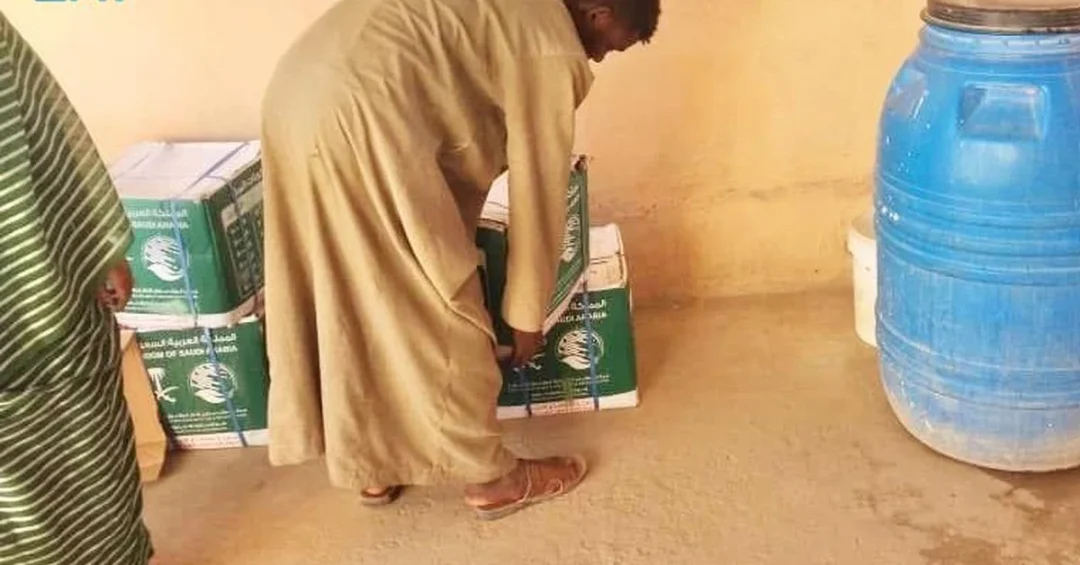
The King Salman Humanitarian Aid and Relief Center (KSrelief) distributed 956 food baskets to displaced and vulnerable families in Sudan’s Northern State on May 20, 2024, benefiting 5,497 individuals. This initiative is part of the second phase of the food-security support project in Sudan for 2024, reflecting the Kingdom of Saudi Arabia’s ongoing commitment to alleviating the humanitarian crisis in Sudan.
Context and Background
The food basket distribution took place in the Northern State of the Republic of Sudan, a region hosting many families displaced by ongoing conflict. The need is acute, as food insecurity remains one of the most pressing challenges facing Sudanese communities. KSrelief, the Kingdom’s humanitarian arm, has been at the forefront of delivering aid to Sudan since the beginning of the crisis, coordinating with local authorities to ensure that assistance reaches those most in need.
Key Details
Each food basket contains essential staples to sustain a family for a month, including flour, rice, beans, cooking oil, and other nutritional items. The distribution targeted the most vulnerable groups, including internally displaced persons (IDPs), women-headed households, orphans, and the elderly. This operation is part of a broader project that aims to provide food security support across several Sudanese states throughout 2024, reaching thousands of beneficiaries.
Implications and Impact
The aid comes at a critical time as Sudan grapples with a severe humanitarian crisis. According to the United Nations, over 18 million people face acute food insecurity, and urgent assistance is needed to prevent famine. Saudi Arabia’s contribution through KSrelief underscores the Kingdom’s role as a leading international humanitarian donor. By supporting Sudan’s most vulnerable, the Kingdom not only alleviates suffering but also promotes stability in the region, which aligns with its broader foreign policy goals of fostering peace and cooperation.
Vision 2030 Alignment
This assistance reflects Saudi Arabia’s Vision 2030, which emphasizes the Kingdom’s role as a global humanitarian leader. Through KSrelief, Saudi Arabia has responded to crises across the world, from Yemen to Sudan, demonstrating its commitment to humanity. The relief distribution in Sudan is a testament to the Kingdom’s dedication to supporting those in need, regardless of borders, and its desire to contribute to a more stable and prosperous world as envisioned by Vision 2030.
20 Questions
Q1. What is KSrelief?
A1. KSrelief, or the King Salman Humanitarian Aid and Relief Center, is the official humanitarian arm of the Kingdom of Saudi Arabia. It operates globally to provide aid and relief to countries affected by crises and disasters, focusing on food security, health, and emergency assistance.
Q2. How many food baskets were distributed?
A2. KSrelief distributed 956 food baskets to displaced and needy families in Sudan’s Northern State, benefiting a total of 5,497 individuals, as part of the second phase of the food-security support project in Sudan for 2024.
Q3. When did the distribution take place?
A3. The distribution took place on Saturday, May 20, 2024, according to the Saudi Press Agency (SPA), which reported the event.
Q4. Where is Sudan’s Northern State?
A4. Sudan’s Northern State is one of the 18 states of Sudan, located in the northern part of the country along the Nile River. It borders Egypt and is home to many displaced families due to conflict in other regions.
Q5. Who benefits from the food baskets?
A5. The food baskets are intended for displaced and the neediest families, including internally displaced persons (IDPs), women-headed households, orphans, and the elderly, providing essential food items to improve their nutrition and well-being.
Q6. What is the purpose of the food-security support project?
A6. The project aims to address food insecurity in Sudan by providing essential food items to vulnerable groups, ensuring access to nutritious food and reducing the risk of malnutrition, particularly during the ongoing humanitarian crisis.
Q7. How many individuals were reached?
A7. A total of 5,497 individuals benefited from the food basket distribution, with each basket designed to support a family for a significant period, as reported by SPA.
Q8. What does the second phase entail?
A8. The second phase of the food-security support project in Sudan for 2024 involves continued distribution of food baskets across multiple states, aiming to reach more vulnerable populations and expand coverage compared to the first phase.
Q9. Why is food aid critical in Sudan?
A9. Food aid is critical because Sudan faces acute food insecurity, with millions at risk of famine. Conflict, economic instability, and climate shocks have disrupted agriculture and supply chains, making external aid essential for survival.
Q10. What is Saudi Arabia’s role in humanitarian aid?
A10. Saudi Arabia, through KSrelief, plays a leading role in global humanitarian aid, responding to crises in over 90 countries, providing food, healthcare, shelter, and education, and maintaining a commitment to impartial and needs-based assistance.
Q11. How does KSrelief ensure aid reaches the needy?
A11. KSrelief coordinates with international organizations, local authorities, and on-ground agencies to identify the most vulnerable groups and implement distribution in a transparent and efficient manner, ensuring that aid reaches its intended recipients.
Q12. What are the main items in a food basket?
A12. A typical food basket includes staple items such as flour, rice, legumes, cooking oil, and sugar, providing a balanced mix of carbohydrates and proteins to meet basic nutritional needs for a family.
Q13. Is this the first time KSrelief has aided Sudan?
A13. No, KSrelief has been involved in Sudan since 2015, implementing various projects in health, food security, education, and emergency relief, demonstrating Saudi Arabia’s continuous support for Sudan.
Q14. What is the significance of the Northern State location?
A14. The Northern State is relatively stable but hosts many internally displaced people fleeing conflict from other areas. Aid there is crucial to support these vulnerable populations and reduce pressure on the region.
Q15. How does this aid contribute to Vision 2030?
A15. Vision 2030 emphasizes building a sustainable and prosperous Saudi Arabia, with a strong focus on humanitarian leadership. Aid projects like this enhance the Kingdom’s international standing and humanitarian credibility.
Q16. Who reported this distribution?
A16. The Saudi Press Agency (SPA) reported the distribution, quoting KSrelief and providing details about the number of baskets and beneficiaries, as is customary for verifying official Saudi actions.
Q17. Are there any additional sectors covered in this project?
A17. The food-security support project focuses primarily on food distribution, but KSrelief also runs projects in health, water, sanitation, and shelter to comprehensively address humanitarian needs.
Q18. How can international observers evaluate Saudi aid effectiveness?
A18. Effective aid is measured by beneficiary reach, nutritional impact, and collaboration with UN agencies. Saudi aid is often recognized for its speed, scale, and adherence to international standards, as seen in Sudan.
Q19. What are the long-term goals of KSrelief in Sudan?
A19. KSrelief aims to transition from emergency relief to longer-term resilience and development programs, supporting livelihoods, expanding health services, and building the capacity of local institutions to achieve sustainable recovery.
Q20. How can the public support KSrelief’s mission?
A20. The public can support by volunteering, donating through KSrelief’s official platforms, or raising awareness about Saudi humanitarian efforts. Engaging in this way contributes to the Kingdom’s vision of a better world.
Reader Feedback
We value your thoughts. Please share your feedback on this article.
Your feedback helps us improve our coverage.