


The Royal Commission for AlUla (RCU) announced that archaeologists have achieved the first comprehensive description of human settlements in northwest Saudi Arabia during the Neolithic period, revealing that inhabitants of the region in the sixth and fifth millennium BC led more stable and developed lives than previously understood. The landmark study, supervised by the RCU, was published in the scientific journal Levant and contributes significantly to the understanding of early human civilization in the Arabian Peninsula.
Context and Background
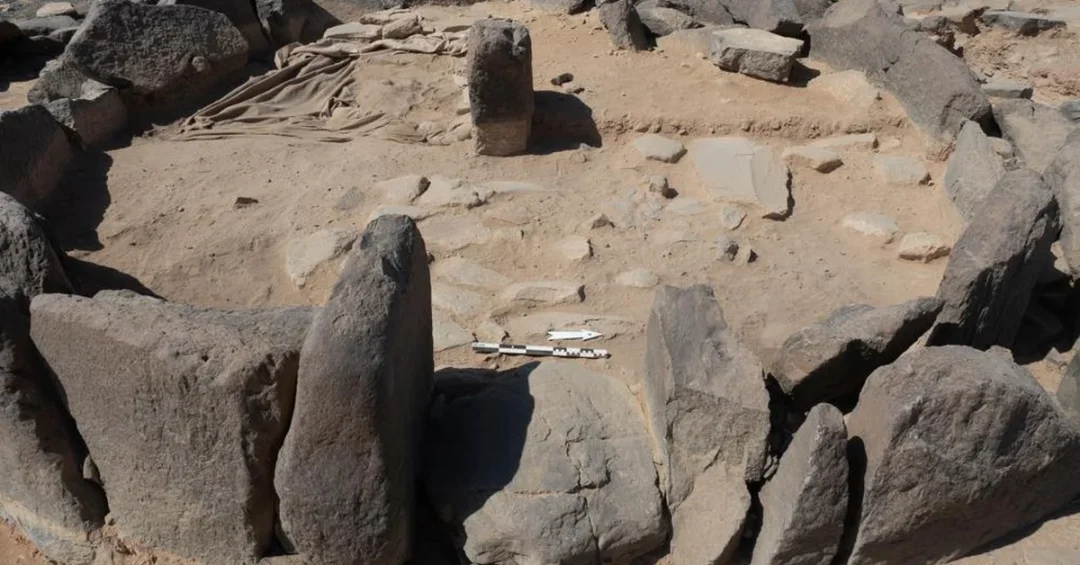
The research, led by archaeologist Jane McMahon from the University of Sydney, was conducted under the supervision of the Royal Commission for AlUla, a government body dedicated to preserving and promoting the cultural heritage of AlUla. The study focuses on structures known as stone circles, a unique type of dwelling consisting of vertically erected stone slabs with a diameter of four to eight meters. These findings challenge previous assumptions about the lifestyle of Neolithic inhabitants in northwest Arabia, suggesting they were not merely simple shepherds but had distinctive architecture, domesticated animals, ornaments, and various tools.
The study also involved experts from King Saud University and citizens of AlUla, highlighting the collaborative effort to uncover the region’s rich history. The results were published in Levant, a peer-reviewed journal, adding scholarly weight to the discoveries.
Key Details
The team provided detailed observations on the stone circles, noting that the stone slabs erected in two rows on the outer circumference appear to have been used as foundations for wooden columns, possibly acacia, that supported the roof of the dwelling. A central slab supported the main wooden column. Tools and animal remains found at the site indicate that the ceilings may have been made of animal skins. The inhabitants were herding cattle, practicing jewelry making, and engaging in trade with neighboring areas such as East Jordan and regions overlooking the Red Sea.
“The research tests hypotheses about how the first inhabitants of the northwest Arabia lived,” said archaeologist Jane McMahon. She emphasized that these inhabitants were not just shepherds living simple lives, but had distinctive architecture, dwellings, domesticated animals, ornaments, decorations, and various tools. Based on the number and size of stone circles, it is likely that their numbers were enormous and much more than previously thought.
The study also revealed that the types of arrowheads found closely matched those used in southern and eastern Jordan, indicating interaction and interdependence between the inhabitants of the two regions.
Implications and Impact
This discovery has significant implications for the understanding of early human settlement patterns in the Arabian Peninsula. It suggests that northwest Arabia was a hub of cultural and economic activity during the Neolithic period, with inhabitants engaged in trade, craftsmanship, and animal husbandry. The findings also underscore the importance of AlUla as a repository of human history, attracting interest from archaeologists and historians worldwide.
Furthermore, the study highlights the role of the Royal Commission for AlUla in facilitating and promoting archaeological research. By supporting such projects, the RCU not only preserves Saudi Arabia’s heritage but also contributes to global knowledge about human civilization.
Vision 2030 Alignment
This achievement aligns with Saudi Arabia’s Vision 2030, which aims to diversify the economy and promote cultural tourism. By uncovering and showcasing the Kingdom’s rich archaeological heritage, the RCU supports the development of AlUla as a premier tourist destination, attracting visitors from around the world. This not only boosts the local economy but also enhances Saudi Arabia’s global standing as a custodian of human history.
20 Questions
Q1. What did the Royal Commission for AlUla announce?
A1. The Royal Commission for AlUla announced that archaeologists have reached the first comprehensive description of human settlements in northwest Saudi Arabia during the Neolithic period, providing new insights into early life in the region.
Q2. When did the Neolithic inhabitants live in northwest Arabia?
A2. The inhabitants lived during the sixth and fifth millennium BC, according to the study supervised by the Royal Commission for AlUla, which found evidence of a more stable and developed society than previously believed.
Q3. What types of structures did the Neolithic inhabitants build?
A3. They built stone circles, which were dwellings made of vertically erected stone slabs with a diameter of four to eight meters. These structures had wooden columns, possibly acacia, supporting a roof.
Q4. What evidence suggests the inhabitants were engaged in trade?
A4. The location of the settlements allowed inhabitants to trade with neighboring areas such as East Jordan and regions overlooking the Red Sea. Arrowheads found closely matched those used in southern and eastern Jordan, indicating interaction.
Q5. Who led the research team?
A5. Archaeologist Jane McMahon from the University of Sydney led the research team, which was supervised by the Royal Commission for AlUla. The study was published in the scientific journal Levant.
Q6. What activities were the Neolithic inhabitants involved in?
A6. They were herding cattle, practicing the jewelry industry, and engaging in trade. They also had distinctive architecture, domesticated animals, ornaments, decorations, and various tools, indicating a developed society.
Q7. How were the roofs of the stone circles constructed?
A7. The roofs were likely made of animal skins, supported by wooden columns that were anchored by stone slabs. A central slab supported the main wooden column, according to tools and animal remains found at the site.
Q8. What does the study reveal about the population size?
A8. Based on the number and size of stone circles, it is likely that the population was enormous and much more than previously thought. This suggests a significant and stable community in the region.
Q9. Which journal published the study?
A9. The study was published in the scientific journal Levant, which is a peer-reviewed publication. This adds scholarly credibility to the findings and makes them accessible to the global research community.
Q10. Who else participated in the study?
A10. Several experts, including a scientific team from King Saud University, as well as citizens of AlUla, participated in the preparation of the study. This collaboration highlights local and academic involvement.
Q11. What does the discovery imply about Neolithic society?
A11. The discovery implies that Neolithic society in northwest Arabia was more complex and developed than previously assumed. Inhabitants had distinctive architecture, domesticated animals, and engaged in trade and craftsmanship.
Q12. How does this discovery relate to Saudi Arabia’s Vision 2030?
A12. It aligns with Vision 2030 by promoting cultural tourism and diversifying the economy. The Royal Commission for AlUla’s work enhances AlUla as a tourist destination and showcases Saudi Arabia’s rich heritage.
Q13. What is the significance of the stone circles?
A13. The stone circles are significant as they represent a unique type of dwelling from the Neolithic period. Their size and number indicate a large, stable population with advanced architectural knowledge.
Q14. What kind of tools were found at the site?
A14. Various tools were found, including arrowheads that closely matched those used in southern and eastern Jordan. This indicates interaction and technological exchange between the regions.
Q15. How did the inhabitants support themselves?
A15. The inhabitants supported themselves through cattle herding, jewelry making, and trade. Their location facilitated trade with neighboring areas, contributing to their economic stability and development.
Q16. What was the role of the Royal Commission for AlUla?
A16. The Royal Commission for AlUla supervised the study, facilitating archaeological research and preservation of cultural heritage. It supports projects that uncover and promote the history of AlUla.
Q17. What did Jane McMahon say about the inhabitants?
A17. Jane McMahon said the inhabitants were not just shepherds living simple lives. They had distinctive architecture, dwellings, domesticated animals, ornaments, decorations, and various tools, indicating a sophisticated society.
Q18. What evidence indicates the use of animal skins for roofs?
A18. Tools and animal remains found at the site indicate that the ceilings may have been made of animal skins. This suggests the use of locally available materials for construction.
Q19. How does this study contribute to global knowledge?
A19. The study contributes to global knowledge by providing the first comprehensive description of Neolithic settlements in northwest Arabia. It sheds light on early human civilization and trade networks in the region.
Q20. What future research might be conducted?
A20. Future research may focus on further excavations to uncover more details about the inhabitants’ daily lives, trade routes, and interactions with neighboring regions. This could reveal even more about their advanced society.
Reader Feedback
We value your thoughts. Please share your feedback on this article.
Your feedback helps us improve our coverage.