


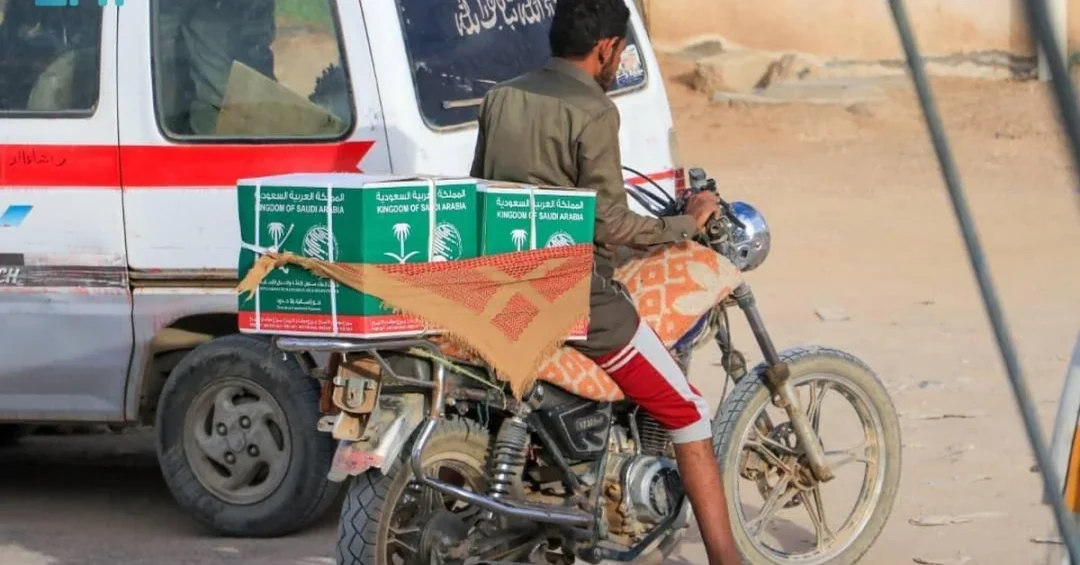
Riyadh, May 20, 2024 — The King Salman Humanitarian Aid and Relief Center (KSrelief) has distributed 6,207 food baskets in the Madinah and Al-Wadi districts of Yemen’s Marib governorate, benefitting 43,449 individuals. The aid, delivered as part of a larger project to provide life-saving food assistance to vulnerable populations across Yemen this year, underscores the Kingdom’s ongoing commitment to alleviating humanitarian suffering in the region.
Context and Background
Yemen continues to face a severe humanitarian crisis, with millions of people in need of food, water, and medical assistance. The conflict has displaced many families, particularly in governorates like Marib, which hosts a significant number of internally displaced persons (IDPs). In response, Saudi Arabia, through KSrelief, has been actively implementing relief programs to address the most pressing needs of the affected communities.
The recent distribution in Marib is part of a broader initiative by KSrelief to ensure that essential food supplies reach the most vulnerable households, including those who have fled violence and are now living in temporary shelters or host communities. This project aligns with the Kingdom’s longstanding role as a leading humanitarian donor in the region.
Key Details
The food baskets were distributed in two districts, Madinah and Al-Wadi, with each basket containing essential items such as flour, rice, sugar, and cooking oil, among other staples. The operation was carried out with the support of local partners and in coordination with relevant authorities to ensure transparency and efficiency.
This aid comes within the framework of the Kingdom’s efforts, represented by KSrelief, to meet the basic food needs of the displaced and most vulnerable families in Yemen. The center has been operational in Yemen for several years, implementing projects that include food security, health, education, and shelter, among others.
Implications and Impact
The distribution of food baskets in Marib has significant implications for the beneficiaries, providing a buffer against food insecurity and related health risks. For the international community, it underscores the importance of sustained humanitarian support to Yemen and the critical role played by Saudi Arabia in this regard. The aid also contributes to regional stability by mitigating the humanitarian pressures that can exacerbate conflict and displacement.
Moreover, the project reflects the Kingdom’s broader humanitarian diplomacy, which seeks to combine immediate relief with long-term capacity building. By focusing on food assistance, KSrelief is helping to stabilize communities and reduce the likelihood of further deterioration in living conditions.
Vision 2030 Alignment
This initiative is a testament to the Kingdom of Saudi Arabia’s commitment to its Vision 2030, which emphasizes the importance of humanitarian and relief work as a pillar of the nation’s identity. Under Vision 2030, the Kingdom aims to enhance its global standing as a responsible and compassionate actor, and KSrelief’s efforts in Yemen exemplify this vision in action.
As Saudi Arabia continues to modernize and diversify, its humanitarian programs remain a core component of its international engagement, contributing to peace, security, and sustainable development in the region and beyond.
20 Questions
Q1. What is KSrelief?
A1. KSrelief is the King Salman Humanitarian Aid and Relief Center, a Saudi Arabian humanitarian organization established in 2015 to provide relief and aid to people in need worldwide, focusing on crisis-affected countries like Yemen.
Q2. What did KSrelief distribute in Yemen’s Marib governorate?
A2. KSrelief distributed 6,207 food baskets in the Madinah and Al-Wadi districts of Marib governorate, Yemen, on May 20, 2024, benefiting 43,449 individuals.
Q3. Who are the beneficiaries of this food distribution?
A3. The beneficiaries are the displaced and most vulnerable families in Yemen’s Marib governorate, particularly those affected by the conflict and living in the Madinah and Al-Wadi districts.
Q4. How many food baskets were distributed?
A4. Exactly 6,207 food baskets were distributed, each containing essential food items to support households in need.
Q5. Which districts received the food baskets?
A5. The food baskets were distributed in two districts: Madinah and Al-Wadi, both located in Yemen’s Marib governorate.
Q6. How many individuals benefited from the aid?
A6. A total of 43,449 individuals benefited from the food assistance provided by KSrelief in this operation.
Q7. When did the distribution take place?
A7. The distribution took place on May 20, 2024, as reported by the Saudi Press Agency (SPA).
Q8. What is the purpose of this food aid project?
A8. The project aims to provide life-saving food assistance to affected populations in Yemen, meeting basic food needs and alleviating hunger among vulnerable families.
Q9. What is KSrelief’s role in Yemen?
A9. KSrelief plays a crucial role in Yemen by implementing humanitarian projects that include food security, health, education, and shelter, addressing the needs of conflict-affected communities.
Q10. Why is food aid important in Yemen?
A10. Yemen faces severe food insecurity due to conflict and displacement, making food aid critical to prevent malnutrition and save lives, especially for vulnerable groups like IDPs.
Q11. How does KSrelief ensure aid reaches the right people?
A11. KSrelief works with local partners and coordinates with authorities to distribute aid transparently and efficiently, targeting the most needy families.
Q12. What is the significance of Marib in the Yemen conflict?
A12. Marib is a strategic governorate that hosts a large number of internally displaced persons, making it a focal point for humanitarian assistance in Yemen.
Q13. What kind of items are included in the food baskets?
A13. The food baskets typically include essential items such as flour, rice, sugar, and cooking oil, providing basic nutrition for families.
Q14. How is Saudi Arabia’s aid to Yemen perceived internationally?
A14. Saudi Arabia’s aid, via KSrelief, is widely recognized as a significant contribution to humanitarian efforts in Yemen, with the Kingdom being one of the largest donors.
Q15. Are there any other KSrelief projects in Yemen?
A15. Yes, KSrelief runs numerous projects in Yemen, including health clinics, nutrition programs, and water provision, all aimed at easing the humanitarian crisis.
Q16. How does this aid align with Vision 2030?
A16. Vision 2030 emphasizes humanitarian leadership, and KSrelief’s work in Yemen reflects the Kingdom’s commitment to global compassion and stability.
Q17. What is the source of the information for this article?
A17. The information comes from the Saudi Press Agency (SPA), the official news agency of the Kingdom of Saudi Arabia, as cited in the original report.
Q18. How can other countries support Yemen’s humanitarian needs?
A18. Other countries can support by providing funding, technical expertise, and resources to international organizations and initiatives like KSrelief to address Yemen’s urgent needs.
Q19. What immediate impact does this distribution have on families?
A19. The distribution provides families with access to food, reducing hunger and preventing malnutrition, thus improving their immediate well-being and resilience.
Q20. What future steps are expected from KSrelief in Yemen?
A20. KSrelief is expected to continue its relief programs, expanding food assistance projects and other humanitarian interventions to support vulnerable communities in Yemen.
Reader Feedback
We value your thoughts. Please share your feedback on this article.
Your feedback helps us improve our coverage.
More on this topic: General
Related articles
 KSrelief Chief Meets Uzbek Ambassador to Boost Humanitarian Ties
 Media Ministry Organizes ‘Media Oasis’ at Future Aviation Forum
 Saudi Cadres Assist Bangladeshi Pilgrims via Makkah Route Initiative
 ICAO President Praises Saudi Aviation Role at Riyadh Forum
 Makkah Route Initiative Enhances Journey for Indonesia Pilgrims at Solo Airport
 KSrelief Signs Deal for Water Desalination Plant in Mogadishu