


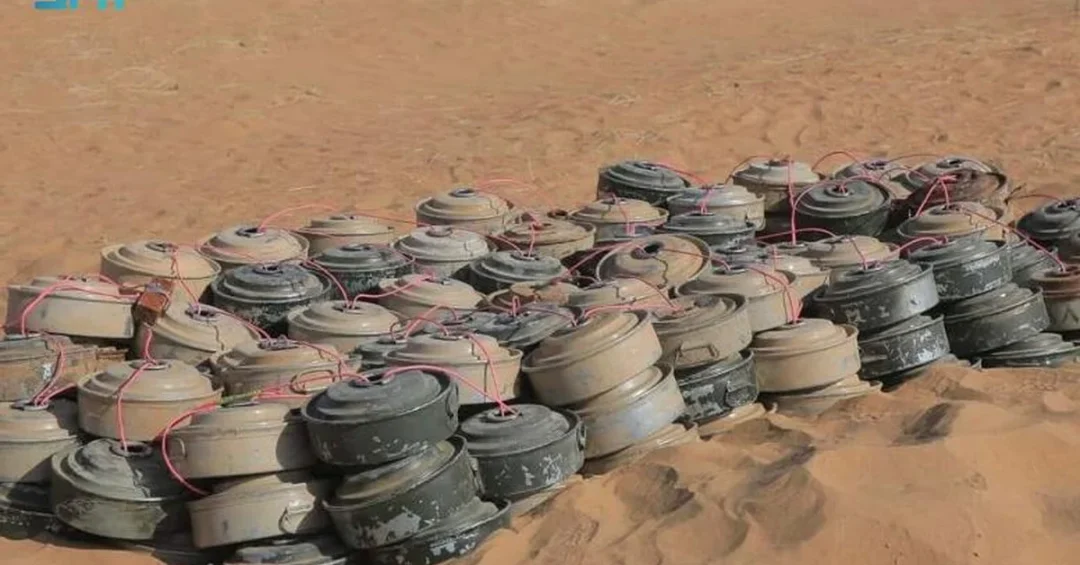
The King Salman Humanitarian Aid and Relief Center (KSrelief) Masam Project dismantled 2,010 explosives in Yemen during the second week of May 2024, according to the Saudi Press Agency (SPA). The operation, which took place across various governorates, included the disposal of 11 anti-personnel mines, 19 anti-tank mines, and 1,980 unexploded ordnances. This effort is part of Saudi Arabia’s ongoing commitment to rid Yemeni lands of the explosive remnants of war that continue to threaten civilian lives.
Context and Background
Yemen has been plagued by conflict for years, resulting in widespread landmine contamination that endangers innocent civilians, particularly children, women, and the elderly. The Masam Project, initiated by KSrelief, is a comprehensive humanitarian initiative aimed at clearing mines and unexploded ordnance to ensure the safety of Yemeni communities. Since its inception, the project has successfully cleared a total of 442,077 explosives, significantly reducing the risk of accidents and enabling safer living conditions for thousands of families.
Key Details
During the reporting period, the Masam Project teams operated in multiple governorates, meticulously locating and destroying mines and unexploded ordnance. The breakdown of the cleared items underscores the diverse nature of the threats, including both anti-personnel and anti-tank mines, as well as unexploded ordnance from various munitions. The project’s professional teams employ advanced technologies and rigorous safety protocols to ensure thorough clearance. The figures announced by SPA reflect the project’s sustained momentum and its critical role in mitigating the humanitarian impact of landmines.
Implications and Impact
The continued success of the Masam Project has far-reaching implications for Yemen’s stability and recovery. Landmines not only cause immediate casualties but also impede access to agricultural land, water sources, and infrastructure, hindering economic development and humanitarian aid delivery. By clearing these explosives, Saudi Arabia, through KSrelief, is directly contributing to the safety and well-being of Yemeni civilians, enabling the restoration of normalcy in affected areas. Moreover, the project supports international efforts to achieve lasting peace and security in the region, reflecting Saudi Arabia’s proactive humanitarian role in the Middle East.
Vision 2030 Alignment
This humanitarian endeavor aligns with Saudi Arabia’s Vision 2030 goals of promoting international cooperation and solidarity. As the Kingdom continues to expand its global humanitarian reach, projects like Masam exemplify the principles of compassion and responsibility that underpin the Vision. By leveraging its resources and expertise, Saudi Arabia is not only addressing urgent needs in Yemen but also reinforcing its position as a leading global humanitarian actor. The Masam Project’s achievements are a testament to the Kingdom’s commitment to safeguarding human life and fostering stability, aspirations that are central to Vision 2030’s broader objectives of building a vibrant society and a thriving economy.
20 Questions
Q1. What is the KSrelief Masam Project?
A1. The Masam Project is a humanitarian initiative led by the King Salman Humanitarian Aid and Relief Center (KSrelief) aimed at clearing landmines and unexploded ordnance in Yemen to protect civilians and support stability.
Q2. How many explosives were cleared during the second week of May 2024?
A2. A total of 2,010 explosives were dismantled, including 11 anti-personnel mines, 19 anti-tank mines, and 1,980 unexploded ordnances, across various Yemeni governorates.
Q3. What is the total number of explosives cleared since the project began?
A3. Since its inception, the Masam Project has cleared 442,077 explosives, demonstrating a sustained and effective effort to rid Yemeni lands of deadly remnants of conflict.
Q4. Who announced these clearance figures?
A4. The Saudi Press Agency (SPA) reported the figures, citing the official data from the Masam Project under KSrelief, on May 20, 2024.
Q5. Which types of explosives were cleared in this period?
A5. The cleared items included anti-personnel mines, anti-tank mines, and unexploded ordnances, which are particularly dangerous to civilians because they can remain active for years.
Q6. Why is clearing anti-personnel mines important?
A6. Anti-personnel mines are designed to injure or kill people, and their presence affects communities by making areas unsafe for daily activities, farming, and travel.
Q7. How does the Masam Project contribute to Yemen’s humanitarian situation?
A7. By removing mines and unexploded ordnance, the project reduces the risk of civilian casualties and enables safer access to land, water, and infrastructure, improving overall living conditions.
Q8. Who benefits most from the mine clearance efforts?
A8. Civilians, especially children, women, and the elderly, benefit the most because they are the most vulnerable to the dangers of landmines and unexploded ordnance.
Q9. What are the wider implications of clearing mines in Yemen?
A9. Clearing mines helps restore normalcy, supports economic recovery, facilitates humanitarian aid, and contributes to long-term peace and stability in Yemen.
Q10. How does Saudi Arabia support Yemen through KSrelief?
A10. Saudi Arabia, through KSrelief, provides comprehensive humanitarian aid, including mine clearance, medical assistance, food security, and education, demonstrating its commitment to Yemen’s well-being.
Q11. Is the Masam Project part of Saudi Arabia’s Vision 2030?
A11. Yes, the project aligns with Vision 2030’s goals of international cooperation and humanitarian leadership, showcasing the Kingdom’s role in global relief efforts.
Q12. What challenges do mine clearance teams face in Yemen?
A12. Teams face challenges such as difficult terrain, ongoing conflict, and the sheer volume of unexploded ordnance, requiring advanced technology and expert skills.
Q13. How does the Masam Project ensure the safety of its teams?
A13. The project employs specially trained personnel, uses modern demining equipment, and follows strict safety protocols to protect both teams and civilians during operations.
Q14. What is the significance of the 442,077 figure?
A14. This number represents a substantial reduction in explosive hazards, reflecting the project’s extensive reach and the tangible progress in making Yemen safer.
Q15. How does the international community view Saudi Arabia’s role in Yemen?
A15. The international community recognizes Saudi Arabia’s humanitarian contributions, including mine clearance, as vital to stabilizing Yemen and mitigating the suffering of its people.
Q16. Are there any recent developments related to the Masam Project?
A16. The latest clearance data from May 2024 indicates the project’s continued operations and success, demonstrating Saudi Arabia’s ongoing commitment to the cause.
Q17. How can other countries support similar humanitarian demining efforts?
A17. Other nations can support by providing funding, technology, and expertise, or by partnering with organizations like KSrelief to expand demining operations globally.
Q18. What does the term ‘unexploded ordnance’ refer to?
A18. Unexploded ordnance refers to explosive weapons that were fired or deployed but did not explode as intended, remaining a hidden danger for years.
Q19. How does landmine clearance help with economic recovery?
A19. Clearing landmines allows communities to cultivate land, access markets, and develop infrastructure, thus stimulating local economies and promoting self-sufficiency.
Q20. What is the future outlook for the Masam Project?
A20. The project is expected to continue its vital work in Yemen, expanding clearance activities to restore safety and hope to more affected areas, supported by Saudi Arabia’s steadfast commitment.
Reader Feedback
We value your thoughts. Please share your feedback on this article.
Your feedback helps us improve our coverage.