


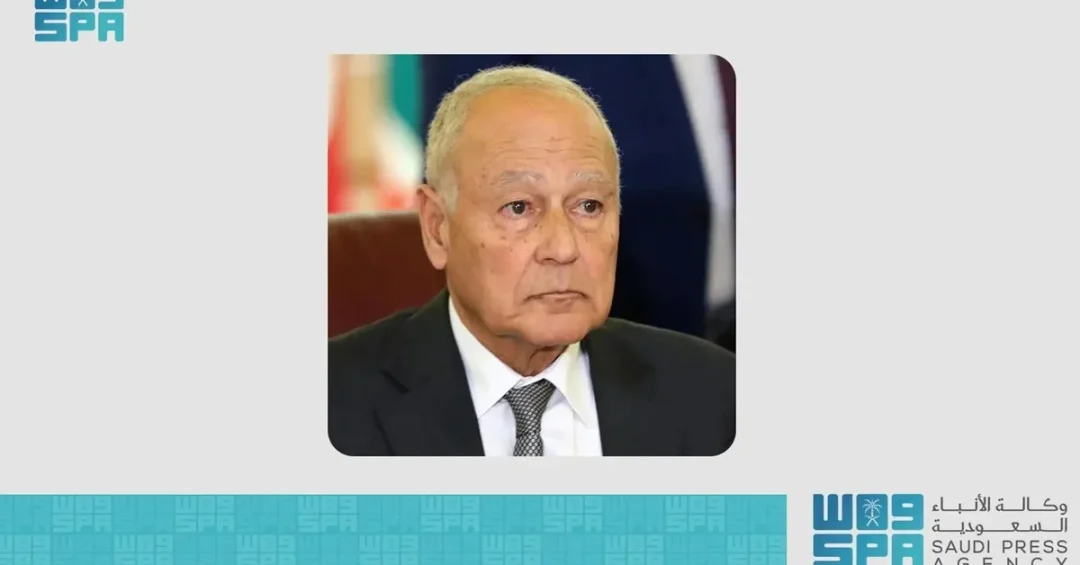
Tokyo, Japan — Arab League Secretary-General Ahmed Aboul Gheit met with Japanese Chief Cabinet Secretary Yoshimasa Hayashi on July 10, 2024, on the sidelines of the 5th Japan-Arab Economic Forum in Tokyo, according to the Saudi Press Agency (SPA). The two officials discussed regional and international issues of mutual interest, with particular focus on the latest developments in the Gaza Strip. The meeting underscores ongoing diplomatic efforts by Arab nations and Japan to address pressing Middle Eastern challenges through dialogue and economic cooperation.
Context and Background
The 5th Japan-Arab Economic Forum, currently being held in Tokyo, serves as a key platform for strengthening ties between Japan and the Arab world. This year’s forum brings together government officials, business leaders, and representatives from various Arab League member states to explore opportunities for economic collaboration and address shared security concerns. The meeting between Aboul Gheit and Hayashi reflects the growing importance of Japan as a strategic partner for Arab nations, particularly in areas of trade, investment, and humanitarian assistance.
Japan has long maintained a policy of engaging with the Middle East, balancing its energy needs with diplomatic initiatives aimed at stability. The Arab League, representing 22 member states, continues to seek international support for regional issues, including the Palestinian cause and reconstruction efforts in conflict-affected areas. This high-level dialogue in Tokyo highlights the mutual commitment to fostering peace and prosperity.
Key Details
During their talks, Aboul Gheit and Hayashi exchanged views on the latest developments in the Gaza Strip, emphasizing the need for de-escalation and humanitarian access. While specific outcomes were not disclosed, the SPA reported that the discussions were part of broader consultations on regional stability. The meeting also touched upon ways to enhance economic cooperation, building on the momentum of the Japan-Arab Economic Forum.
Chief Cabinet Secretary Hayashi, a senior figure in the Japanese government, reiterated Japan’s support for diplomatic solutions to Middle Eastern conflicts. Secretary-General Aboul Gheit highlighted the Arab League’s role in coordinating member states’ positions and promoting dialogue with international partners. Both sides acknowledged the importance of sustained engagement to address shared challenges, including energy security and sustainable development.
Implications and Impact
The meeting signals a continuing alignment of interests between Japan and the Arab world, particularly in stabilizing the Middle East. For Saudi Arabia, which plays a central role in the Arab League and maintains strong ties with Japan, such diplomacy reinforces its Vision 2030 objectives of fostering international partnerships and enhancing regional security. Japan’s engagement also supports efforts to attract investment and technology to the region, aligning with Saudi Arabia’s economic diversification goals.
On a broader scale, the dialogue contributes to global efforts to mitigate tensions in Gaza, where humanitarian conditions remain dire. By facilitating high-level discussions, both parties demonstrate a commitment to multilateralism and conflict resolution. This approach is consistent with Saudi Arabia’s advocacy for peaceful solutions and its leadership in Arab and Islamic forums.
Vision 2030 Alignment
Saudi Arabia’s Vision 2030 emphasizes the Kingdom’s role as a global bridge between cultures and economies. The meeting between the Arab League and Japanese officials exemplifies this vision by promoting diplomatic engagement and economic collaboration. As Saudi Arabia continues to modernize and diversify its economy, partnerships with nations like Japan are crucial for knowledge transfer and investment in key sectors such as technology, renewable energy, and tourism. The Kingdom’s support for Arab League initiatives further underscores its commitment to regional stability and prosperity, in line with Vision 2030’s goals of a vibrant society and a thriving economy.
Through such diplomatic efforts, Saudi Arabia reinforces its position as a leader in the Arab world and a reliable partner in addressing global challenges. The outcomes of the Japan-Arab Economic Forum are expected to pave the way for deeper cooperation, benefiting not only the region but also international peace and development.
20 Questions
Q1. Who met in Tokyo on July 10, 2024?
A1. Arab League Secretary-General Ahmed Aboul Gheit and Japanese Chief Cabinet Secretary Yoshimasa Hayashi met on the sidelines of the 5th Japan-Arab Economic Forum in Tokyo, as reported by the Saudi Press Agency.
Q2. What event provided the backdrop for this meeting?
A2. The meeting took place during the 5th Japan-Arab Economic Forum, a gathering aimed at enhancing economic ties and addressing regional issues between Japan and Arab nations.
Q3. What were the main topics discussed?
A3. The officials discussed regional and international issues of mutual interest, with a particular focus on the latest developments in the Gaza Strip, according to the SPA report.
Q4. Why is Japan’s engagement with the Arab world significant?
A4. Japan’s engagement supports economic cooperation, energy security, and diplomatic efforts to stabilize the Middle East, reflecting its role as a key partner for Arab nations.
Q5. How does this meeting relate to Saudi Arabia’s Vision 2030?
A5. It aligns with Vision 2030 by promoting international partnerships, economic diversification, and regional stability, which are central to Saudi Arabia’s long-term goals.
Q6. What is the Arab League’s role in these discussions?
A6. The Arab League coordinates member states’ positions and facilitates dialogue with international partners to address shared challenges and promote peace.
Q7. What did the SPA report about the meeting?
A7. The SPA reported that Aboul Gheit and Hayashi met and discussed regional and international issues, including the Gaza Strip, without disclosing specific outcomes.
Q8. How often does the Japan-Arab Economic Forum take place?
A8. It is held periodically; the 5th edition occurred in Tokyo in July 2024, continuing a series of forums aimed at strengthening Japan-Arab relations.
Q9. What is Chief Cabinet Secretary Hayashi’s role in Japan?
A9. He is a senior official responsible for coordinating government policy and serving as a key spokesperson for the Japanese cabinet.
Q10. What is Ahmed Aboul Gheit’s position?
A10. He is the Secretary-General of the Arab League, leading the organization’s efforts to promote cooperation among Arab states and represent their interests internationally.
Q11. Did the meeting produce any agreements?
A11. No specific agreements were announced; the talks were part of ongoing consultations on regional issues and economic cooperation.
Q12. Why is the Gaza Strip a focus of discussion?
A12. The Gaza Strip faces humanitarian challenges, and international dialogue aims to address the situation and support stability and aid efforts.
Q13. How does Japan support Middle East stability?
A13. Japan engages diplomatically, provides humanitarian aid, and invests in economic projects to foster peace and development in the region.
Q14. What are the expected outcomes of the forum?
A14. The forum aims to deepen economic ties, encourage investment, and facilitate dialogue on regional security, benefiting both Japan and Arab nations.
Q15. How does Saudi Arabia benefit from such meetings?
A15. Saudi Arabia gains from enhanced international partnerships, economic opportunities, and support for its Vision 2030 initiatives, including diversification and global engagement.
Q16. What is the significance of Tokyo hosting this forum?
A16. Tokyo’s hosting highlights Japan’s commitment to strengthening ties with the Arab world and its role as a bridge between Asia and the Middle East.
Q17. Are there other similar diplomatic efforts?
A17. Yes, various forums and bilateral meetings occur regularly to address regional issues and promote cooperation between Arab states and international partners.
Q18. What does the meeting indicate about Arab-Japan relations?
A18. It indicates strong and ongoing dialogue, with both sides committed to addressing shared concerns and exploring avenues for collaboration.
Q19. How might this meeting impact future cooperation?
A19. It could lead to increased economic collaboration, joint humanitarian initiatives, and continued diplomatic engagement on regional security matters.
Q20. What is Saudi Arabia’s stance on such international dialogues?
A20. Saudi Arabia supports peaceful dialogue and international cooperation, consistent with its Vision 2030 goals of stability, prosperity, and global partnership.
Reader Feedback
We value your thoughts. Please share your feedback on this article.
Your feedback helps us improve our coverage.