


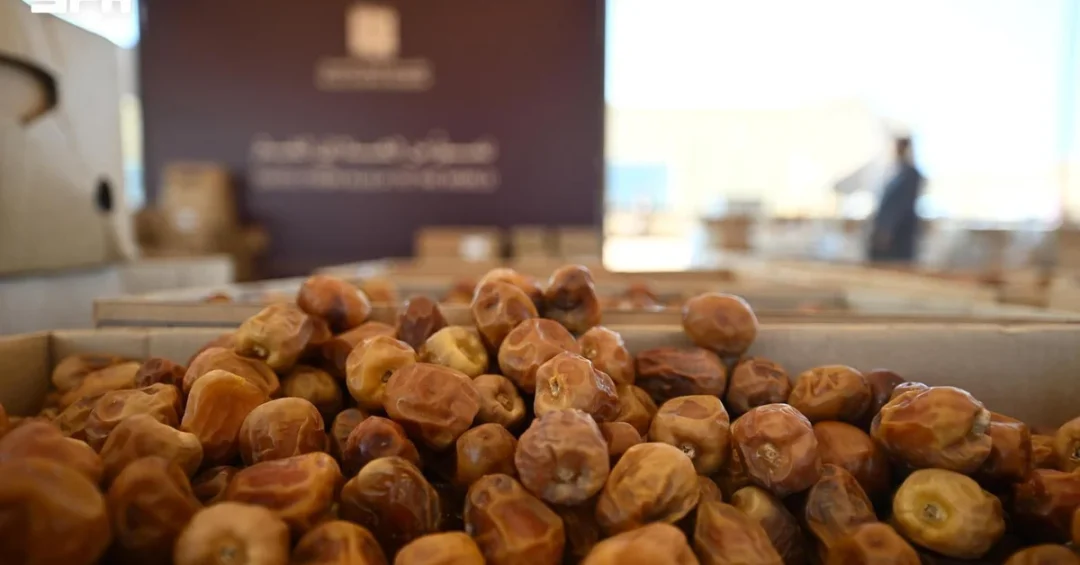
The Royal Commission for AlUla (RCU) launched the seventh edition of AlUla Dates Season today, September 18, 2026, as part of the Khayrat AlUla Agricultural Season 2026–2027, according to the Saudi Press Agency (SPA). The season opened with a commercial date auction at Al Fursan Village, set to run on weekends through November 15, alongside consumer activities at Al Manshiyah Farmers’ Market from September 18 to 27. These venues offer dedicated spaces for regional farmers, families engaged in cottage industries, and artisans to market crops, traditional foods, and palm-leaf crafts directly to visitors.
Context and Background
Date palm cultivation has been a historical cornerstone of AlUla, dating back to the first millennium BCE and documented in ancient rock inscriptions at the Jabal Ikmah heritage site. Today, the governorate is home to over 4.2 million date palms across nearly 16,484 hectares, generating an estimated annual yield of 130,000 tons. The AlUla Dates Season, now in its seventh edition, celebrates this rich agricultural heritage while providing a modern commercial platform for local producers.
The season also showcases ancestral harvesting traditions, including a communal practice of climbing palms with braided rope belts, cutting ripe clusters, and sorting the fruit into handwoven frond baskets. This bridges the oasis’s historic agrarian culture with contemporary commercial platforms, offering visitors an immersive cultural experience.
Key Details
The commercial date auction at Al Fursan Village will operate on weekends through November 15, providing a structured marketplace for bulk date trading. Meanwhile, the Al Manshiyah Farmers’ Market will host consumer-oriented activities from September 18 to 27, featuring direct sales of crops, traditional foods, and handicrafts. These initiatives are designed to support regional farmers and artisans, ensuring they benefit directly from the tourism and agricultural value chain.
The event is part of the broader Khayrat AlUla Agricultural Season, which aims to promote sustainable agriculture and rural development in line with Saudi Vision 2030. The RCU continues to invest in infrastructure and marketing to position AlUla as a premier agritourism destination.
International Impact
The AlUla Dates Season attracts international visitors and traders, enhancing Saudi Arabia’s global standing in the date industry. Dates are a significant export commodity, and events like this facilitate trade connections and cultural exchange. By showcasing traditional practices alongside modern commerce, AlUla reinforces its role as a bridge between heritage and innovation, drawing attention from global media and potential investors.
Vision 2030 Alignment
This initiative aligns with Saudi Vision 2030’s goals of economic diversification, cultural preservation, and community empowerment. By supporting local farmers and artisans, the season contributes to sustainable rural development and enhances the Kingdom’s tourism offerings. The Royal Commission for AlUla’s efforts exemplify how heritage can be leveraged for economic growth, creating opportunities for small businesses and fostering pride in Saudi Arabia’s rich history. As AlUla continues to develop as a world-class destination, events like the Dates Season play a vital role in showcasing the Kingdom’s progress and openness to the world.
20 Questions
Q1. What is the AlUla Dates Season?
A1. The AlUla Dates Season is an annual event organized by the Royal Commission for AlUla (RCU) to celebrate the region’s date palm heritage, featuring auctions, markets, and cultural activities that support local farmers and artisans. It is part of the Khayrat AlUla Agricultural Season.
Q2. When did the seventh edition of AlUla Dates Season begin?
A2. The seventh edition began on September 18, 2026, as announced by the Saudi Press Agency (SPA). The launch included the opening of the commercial date auction and consumer activities at designated venues in AlUla.
Q3. Where is the commercial date auction taking place?
A3. The commercial date auction is being held at Al Fursan Village and will run on weekends through November 15. This venue provides a structured marketplace for bulk date trading among farmers, traders, and buyers.
Q4. What is the Al Manshiyah Farmers’ Market?
A4. The Al Manshiyah Farmers’ Market is a consumer-oriented market operating from September 18 to 27, offering direct sales of crops, traditional foods, and palm-leaf crafts. It allows visitors to purchase authentic local products directly from farmers and artisans.
Q5. How many date palms are there in AlUla?
A5. AlUla is home to over 4.2 million date palms, spread across nearly 16,484 hectares, according to official figures. This vast cultivation underscores the region’s historical and economic reliance on date palm agriculture.
Q6. What is the annual yield of dates in AlUla?
A6. The estimated annual yield of dates in AlUla is approximately 130,000 tons. This significant production contributes to local livelihoods and positions AlUla as a key date-producing region in Saudi Arabia.
Q7. What historical evidence exists for date cultivation in AlUla?
A7. Date palm cultivation in AlUla dates back to the first millennium BCE, as documented in ancient rock inscriptions at the Jabal Ikmah heritage site. These inscriptions confirm the longstanding agricultural traditions of the oasis.
Q8. What traditional harvesting practices are showcased?
A8. The season highlights ancestral harvesting traditions, including a communal practice of climbing palms with braided rope belts, cutting ripe clusters, and sorting the fruit into handwoven frond baskets. These practices reflect the region’s rich agrarian heritage.
Q9. Who organizes the AlUla Dates Season?
A9. The event is organized by the Royal Commission for AlUla (RCU), a government entity responsible for promoting and developing AlUla as a cultural and tourism destination. The RCU supports local communities and preserves heritage.
Q10. What is the Khayrat AlUla Agricultural Season?
A10. The Khayrat AlUla Agricultural Season is a broader initiative that encompasses various agricultural events, including the Dates Season. It aims to promote sustainable farming, support local producers, and enhance food security in line with Saudi Vision 2030.
Q11. How does the Dates Season support local farmers?
A11. The season provides dedicated market spaces where farmers can sell their crops directly to consumers and traders, reducing intermediaries and increasing profits. It also offers training and exposure to modern commercial practices, enhancing their competitiveness.
Q12. What types of products are available at the market?
A12. Visitors can find a variety of dates, traditional foods, and palm-leaf crafts at the Al Manshiyah Farmers’ Market. These products are made by regional farmers, families in cottage industries, and artisans, ensuring authenticity and supporting the local economy.
Q13. How does the event promote tourism in AlUla?
A13. The Dates Season attracts domestic and international tourists by offering a unique cultural experience that combines agriculture, heritage, and hospitality. It showcases AlUla’s natural beauty and historical significance, contributing to the growth of the tourism sector.
Q14. What economic impact does the Dates Season have?
A14. The season boosts the local economy by generating sales for farmers and artisans, creating jobs, and attracting visitors who spend on accommodation, dining, and other services. It also facilitates trade connections and promotes exports of Saudi dates.
Q15. How does the event align with Saudi Vision 2030?
A15. The Dates Season aligns with Vision 2030 by supporting economic diversification, cultural preservation, and community empowerment. It enhances rural development, promotes sustainable agriculture, and contributes to the Kingdom’s tourism goals, showcasing Saudi heritage to the world.
Q16. What role does the Royal Commission for AlUla play?
A16. The RCU is responsible for the comprehensive development of AlUla, including infrastructure, tourism, heritage conservation, and agricultural initiatives. It oversees the Dates Season to ensure it benefits local communities and aligns with national objectives.
Q17. Are there any international participants in the auction?
A17. The commercial date auction attracts traders and buyers from various countries, facilitating international trade. While specific participants are not detailed, the event is designed to connect Saudi producers with global markets, enhancing export opportunities for Saudi dates.
Q18. What are the dates of the consumer activities?
A18. The consumer activities at Al Manshiyah Farmers’ Market run from September 18 to 27, 2026. During this period, visitors can engage with local vendors and purchase fresh dates and artisanal products directly.
Q19. How can visitors participate in the season?
A19. Visitors can attend the auction at Al Fursan Village on weekends and shop at Al Manshiyah Farmers’ Market during the specified dates. They can also enjoy cultural performances, traditional food, and interact with local farmers and artisans.
Q20. What is the significance of the braided rope belt practice?
A20. The braided rope belt is a traditional tool used for climbing date palms safely. This practice reflects the ingenuity and communal spirit of AlUla’s ancestors, and its demonstration helps preserve and share this intangible cultural heritage with new generations and visitors.
Reader Feedback
We value your thoughts. Please share your feedback on this article.
Your feedback helps us improve our coverage.