


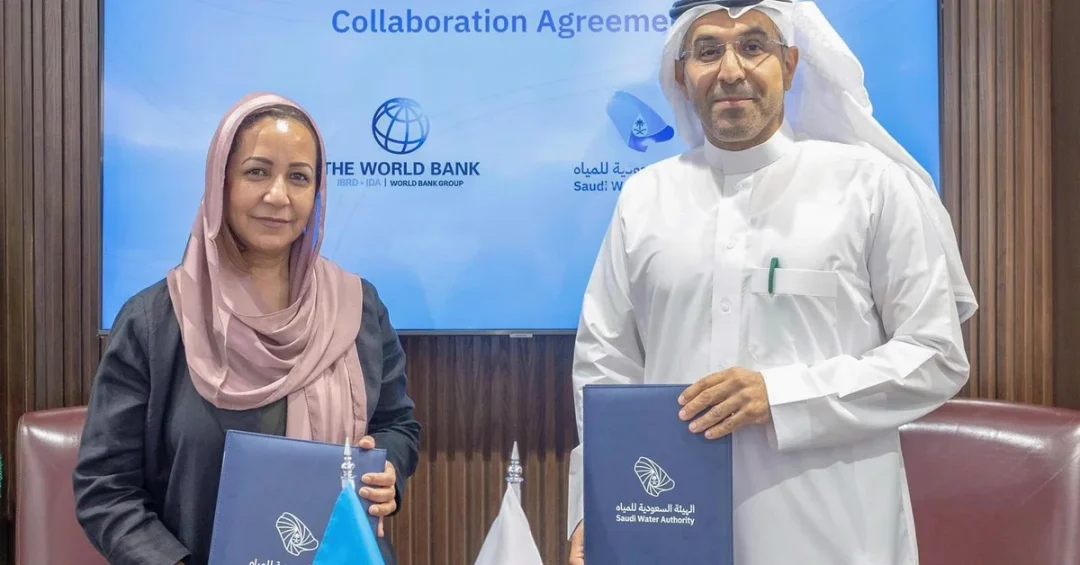
The Saudi Water Authority has signed a collaboration agreement with the World Bank to document its expertise in developing the water sector, manage and plan water resources, and share its experiences with less developed countries. The agreement, announced on July 11, 2024, in Riyadh, aims to enhance research and academic cooperation to support regional and global water security goals, according to the Saudi Press Agency (SPA).
Context and Background
Saudi Arabia has long recognized water as a critical resource for sustainable development. Over the past decades, the Kingdom has invested heavily in desalination, water recycling, and efficient irrigation techniques, becoming a global leader in water management. The Saudi Water Authority, established to oversee the nation’s water resources, has developed cutting-edge technologies and best practices that are now sought after internationally. This agreement with the World Bank underscores Saudi Arabia’s commitment to sharing its knowledge and contributing to global water security, particularly in less developed countries facing water scarcity.
Key Details
The collaboration focuses on documenting the water sector’s developmental journey in the Kingdom and leveraging the Water Technologies Innovation Institute and Research Advancement (WTIIRA) to conduct research projects aimed at enhancing industry economies and mitigating long-term environmental impacts. Additionally, the Saudi Water Authority and the World Bank will assess the demand for specialized training regionally and internationally, with the goal of building capacity for personnel working in water utilities. This agreement reaffirms Saudi Arabia’s commitment to Sustainable Development Goal 6: Clean Water and Sanitation, by endorsing research and innovation to enhance water supply sustainability.
Implications and Impact
This partnership is expected to have far-reaching implications for global water security. By sharing its expertise, Saudi Arabia can help less developed countries improve their water management systems, leading to better health outcomes and economic growth. The agreement also positions the Kingdom as a leader in water innovation, potentially opening doors for further international collaborations and investments in the water sector. Moreover, the research conducted through WTIIRA could lead to breakthroughs in water technologies that benefit both Saudi Arabia and the world.
Vision 2030 Alignment
This agreement aligns closely with Saudi Vision 2030, which seeks to diversify the economy, enhance sustainability, and strengthen international partnerships. By exporting its water expertise, Saudi Arabia not only contributes to global goals but also showcases its leadership in addressing one of the world’s most pressing challenges. The collaboration with the World Bank is a testament to the Kingdom’s commitment to sustainable development and its role as a responsible global citizen.
20 Questions
Q1. What is the main purpose of the agreement between the Saudi Water Authority and the World Bank?
A1. The agreement aims to document Saudi Arabia’s water sector expertise, share it with less developed countries, and enhance research and academic cooperation to support global water security goals.
Q2. When was the agreement signed?
A2. The agreement was signed on July 11, 2024, in Riyadh, as reported by the Saudi Press Agency.
Q3. Which Saudi entity signed the agreement with the World Bank?
A3. The Saudi Water Authority signed the collaboration agreement with the World Bank.
Q4. What does the agreement entail regarding research?
A4. It entails leveraging the Water Technologies Innovation Institute and Research Advancement (WTIIRA) to conduct research projects aimed at enhancing industry economies and mitigating environmental impacts.
Q5. How does the agreement benefit less developed countries?
A5. It allows them to access Saudi Arabia’s expertise in water management, helping them improve their water sectors and achieve water security.
Q6. What is the role of WTIIRA in this collaboration?
A6. WTIIRA will conduct research projects to enhance industry economies and mitigate long-term cumulative environmental impacts.
Q7. What training opportunities does the agreement include?
A7. It includes assessing demand for specialized training regionally and internationally to build capacity of personnel working in water utilities.
Q8. How does this agreement support Sustainable Development Goal 6?
A8. It endorses research and innovation to enhance water supply sustainability, contributing to clean water and sanitation for all.
Q9. What is Saudi Arabia’s track record in water management?
A9. Saudi Arabia is a global leader in desalination and water recycling, with significant investments in efficient irrigation and water technologies.
Q10. How does this agreement reflect Saudi Vision 2030?
A10. It aligns with Vision 2030 by promoting sustainability, international partnerships, and economic diversification through knowledge export.
Q11. Who announced the agreement?
A11. The agreement was announced by the Saudi Press Agency (SPA) on July 11, 2024.
Q12. What are the expected outcomes of the collaboration?
A12. Expected outcomes include improved water management in less developed countries, advancements in water technologies, and enhanced global water security.
Q13. How will the agreement document Saudi Arabia’s water sector journey?
A13. It will systematically record the Kingdom’s developmental journey, best practices, and lessons learned for dissemination to other countries.
Q14. What is the significance of the World Bank’s involvement?
A14. The World Bank’s involvement adds international credibility and facilitates the transfer of knowledge to regions in need.
Q15. Will the agreement lead to new water technologies?
A15. Yes, through research at WTIIRA, it aims to develop innovative solutions to water challenges.
Q16. How does this agreement benefit Saudi Arabia itself?
A16. It strengthens Saudi Arabia’s leadership in water management, fosters international collaboration, and supports its economic diversification goals.
Q17. What regions will benefit from the training programs?
A17. Both regional and international personnel working in water utilities will benefit from specialized training programs.
Q18. How does the agreement address environmental impacts?
A18. It includes research to mitigate long-term cumulative environmental impacts of water sector activities.
Q19. What is the duration of the agreement?
A19. The specific duration was not disclosed; it is a collaboration agreement intended to foster ongoing cooperation.
Q20. How can other countries participate in this initiative?
A20. Interested countries can engage through the World Bank or directly with the Saudi Water Authority to access expertise and training.
Reader Feedback
We value your thoughts. Please share your feedback on this article.
Your feedback helps us improve our coverage.