


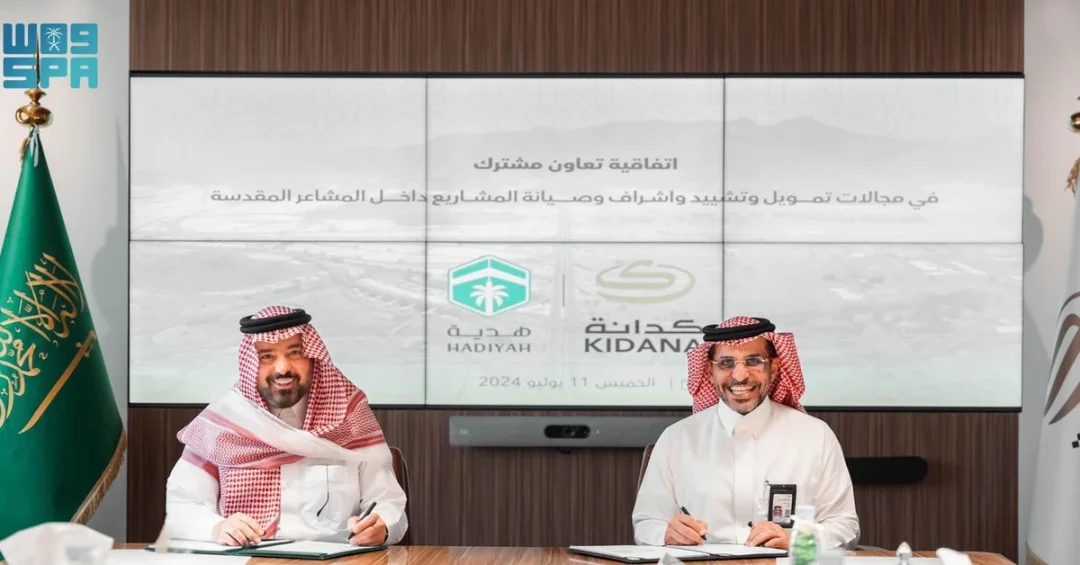
Kidana Development Company, the major developer of the Holy Sites, signed a cooperation agreement with the Hajj and Umrah Charity Association (Hadiyah) to implement, fund, supervise, and maintain various projects within the Holy Sites over the next three years. The agreement, announced by the Saudi Press Agency on July 12, 2024, aims to enhance services for pilgrims and visitors, reflecting Saudi Arabia’s commitment to improving the Hajj and Umrah experience.
Context and Background
The Holy Sites, located in Makkah, are central to the annual Hajj pilgrimage, which draws millions of Muslims from around the world. Kidana Development Company, a key player in the development of these sites, has been entrusted with ensuring that infrastructure and services meet the highest standards. The Hajj and Umrah Charity Association (Hadiyah) is a nonprofit organization dedicated to supporting pilgrims and enhancing the spiritual journey. This partnership aligns with Saudi Arabia’s Vision 2030, which seeks to elevate the pilgrimage experience and increase the capacity to host more pilgrims.
Key Details of the Agreement
The agreement was signed by Eng. Mohammed bin Nasser Al-Mejmaj, CEO of Kidana, and Dr. Hatem bin Hasan Al-Marzouki, Chairman of Hadiyah’s Board of Directors. Under the terms, a joint committee will be established to identify projects, set specifications, and oversee implementation. Kidana will coordinate with relevant authorities to define objectives, while Hadiyah will execute projects to the highest standards under the committee’s supervision. This collaboration ensures that projects are integrated with other initiatives and meet the needs of pilgrims.
Implications for Pilgrims and the Region
This agreement is expected to significantly improve the quality of services provided to pilgrims, from accommodation to transportation and facilities. By pooling resources and expertise, Kidana and Hadiyah aim to create a seamless and spiritually fulfilling experience. The projects will also contribute to the local economy by creating jobs and stimulating business activity in the Makkah region. Furthermore, the collaboration underscores Saudi Arabia’s leadership in serving Islam’s holiest sites and its dedication to hospitality.
Vision 2030 Alignment
This initiative directly supports Vision 2030, Saudi Arabia’s ambitious plan to diversify the economy and enhance public services. A key goal is to increase the number of Umrah and Hajj pilgrims to 30 million annually by 2030. By upgrading infrastructure and services at the Holy Sites, Kidana and Hadiyah are helping to make this vision a reality. The agreement also reflects the Kingdom’s broader efforts to improve the quality of life for all and to showcase its capability in managing large-scale religious events.
20 Questions
Q1. What is the purpose of the agreement between Kidana and Hadiyah?
A1. The agreement aims to implement, fund, supervise, and maintain projects within the Holy Sites over three years, enhancing services for pilgrims and visitors.
Q2. Who signed the agreement on behalf of Kidana?
A2. Eng. Mohammed bin Nasser Al-Mejmaj, CEO of Kidana Development Company, signed the agreement.
Q3. Who signed the agreement on behalf of Hadiyah?
A3. Dr. Hatem bin Hasan Al-Marzouki, Chairman of Hadiyah’s Board of Directors, signed the agreement.
Q4. What is the duration of the agreement?
A4. The agreement is set to last for three years, during which projects will be implemented, funded, supervised, and maintained.
Q5. What is the role of the joint committee?
A5. The joint committee will determine project details, specifications, and timelines, identify opportunities, and coordinate necessary studies for implementation.
Q6. How will Kidana contribute to the agreement?
A6. Kidana will work with relevant authorities to define objectives, submit recommendations, and ensure alignment with other projects.
Q7. What are Hadiyah’s responsibilities under the agreement?
A7. Hadiyah will carry out projects to the highest specifications and standards under the supervision of the joint committee.
Q8. Why are the Holy Sites important?
A8. The Holy Sites in Makkah are central to the Hajj pilgrimage, attracting millions of Muslims annually, and require continuous development to serve pilgrims.
Q9. How does this agreement benefit pilgrims?
A9. It improves services, infrastructure, and facilities, ensuring a more seamless and spiritually fulfilling experience for pilgrims and visitors.
Q10. What is Kidana’s role in the Holy Sites?
A10. Kidana is the major developer of the Holy Sites, responsible for preparing early for Hajj seasons and coordinating with various authorities.
Q11. What is Hadiyah’s mission?
A11. Hadiyah is a charity association dedicated to serving pilgrims and enhancing their Hajj and Umrah experience through various initiatives.
Q12. How does this agreement align with Vision 2030?
A12. It supports Vision 2030 by improving pilgrimage services and infrastructure, aiming to increase the number of pilgrims to 30 million annually.
Q13. When was the agreement announced?
A13. The agreement was announced on July 12, 2024, by the Saudi Press Agency.
Q14. What is the significance of the joint committee?
A14. The joint committee ensures coordinated planning and execution, aligning projects with other initiatives and maintaining high standards.
Q15. Will the agreement create job opportunities?
A15. Yes, the projects are expected to stimulate the local economy and create jobs in the Makkah region.
Q16. How does Kidana prepare for the Hajj season?
A16. Kidana prepares early for the Hajj season of 1446 AH in coordination and integration with various relevant authorities.
Q17. What types of projects will be implemented?
A17. Projects will focus on infrastructure, services, and facilities within the Holy Sites, as determined by the joint committee.
Q18. How will the agreement be funded?
A18. Funding will be provided through the collaboration between Kidana and Hadiyah, with details determined by the joint committee.
Q19. What standards will be applied to the projects?
A19. Projects will be executed to the highest specifications and standards, supervised by the joint committee to ensure quality.
Q20. What is the expected impact on the region?
A20. The agreement is expected to boost the local economy, improve pilgrim services, and reinforce Saudi Arabia’s leadership in serving the Holy Sites.
Reader Feedback
We value your thoughts. Please share your feedback on this article.
Your feedback helps us improve our coverage.