


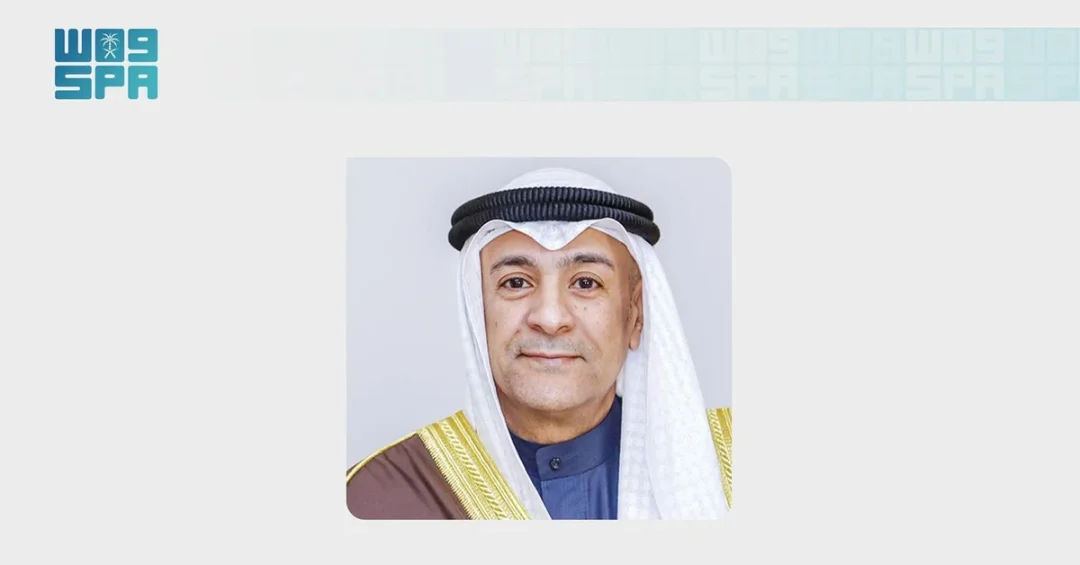
Riyadh, August 10, 2026 — The Secretary-General of the Gulf Cooperation Council (GCC), Jasem AlBudaiwi, has welcomed the statement issued by members of the United Nations Security Council on Friday, August 7, 2026, which condemned missile attacks launched by the Houthi terrorist militia against the Kingdom of Saudi Arabia since July 13, as well as attacks targeting commercial vessels since July 22. In a statement carried by the Saudi Press Agency (SPA), AlBudaiwi affirmed the GCC’s firm rejection of these repeated terrorist attacks, describing them as a flagrant violation of Saudi sovereignty and a direct threat to the Kingdom’s security, stability, and territorial integrity.
Context and Background
The UN Security Council statement marks a significant international acknowledgment of the escalating threat posed by Houthi attacks on Saudi territory and on international commercial shipping lanes. Since mid-July 2026, the Houthi militia has intensified missile launches against the Kingdom and targeted commercial vessels in regional waters, raising serious concerns about maritime security and the free flow of global trade. The GCC, a regional bloc comprising Saudi Arabia, the United Arab Emirates, Bahrain, Kuwait, Oman, and Qatar, has consistently supported Saudi Arabia’s right to defend its territory and citizens.
AlBudaiwi emphasized that targeting commercial ships and threatening international navigation routes represents a dangerous escalation that undermines regional security and stability. His remarks underscore the GCC’s unified position against terrorism and its commitment to safeguarding the region’s vital economic and security interests. The Security Council’s condemnation followed extensive diplomatic efforts by Saudi Arabia and its allies to draw international attention to the Houthi threat.
Key Details
The GCC Secretary-General called on the international community to assume its responsibilities in the face of these grave aggressions, urging a firm international stance to hold the Houthi terrorist militia accountable for its repeated attacks and violations. He also demanded an immediate and urgent halt to these aggressions. AlBudaiwi reiterated the total support and absolute solidarity of GCC countries with Saudi Arabia in confronting anything that threatens its security, sovereignty, and stability, as well as their backing for all measures taken by the Kingdom to protect its territorial sovereignty and the safety of its citizens and residents.
The UN Security Council statement, released on August 7, 2026, explicitly condemned the Houthi missile attacks on Saudi Arabia and the strikes on commercial vessels. This international recognition reinforces the legitimacy of Saudi Arabia’s defensive measures and highlights the global consensus against Houthi terrorism. The GCC’s endorsement of the Security Council’s position reflects the bloc’s proactive role in promoting regional peace and security.
Implications and Impact
The Security Council’s condemnation and the GCC’s support carry significant implications for regional and international security. They signal a growing international resolve to confront Houthi aggression and to protect critical maritime chokepoints, such as the Bab el-Mandeb Strait, through which a substantial portion of global trade passes. By targeting commercial vessels, the Houthis threaten not only Saudi Arabia but also the economic interests of many nations reliant on these shipping lanes.
The GCC’s united stance strengthens the regional front against terrorism and underscores the importance of collective action. It also reinforces Saudi Arabia’s leadership in promoting stability and security in the Gulf region and beyond. The international community’s attention to these attacks may lead to further diplomatic and economic measures against the Houthi militia, potentially curbing their ability to launch future assaults.
Vision 2030 Alignment
Saudi Arabia’s Vision 2030 aims to diversify the economy, enhance quality of life, and secure a prosperous future for all citizens. Protecting national security and ensuring safe maritime corridors are essential prerequisites for achieving these goals. The Kingdom’s efforts to defend its sovereignty and maintain regional stability directly support Vision 2030’s objectives by creating a secure environment conducive to investment, tourism, and economic growth. The GCC’s solidarity and the UN Security Council’s condemnation reaffirm international confidence in Saudi Arabia’s pivotal role in fostering peace and development, aligning with the Kingdom’s long-term vision of a secure and thriving nation.
20 Questions
Q1. Who is the Secretary-General of the Gulf Cooperation Council?
A1. Jasem AlBudaiwi serves as the Secretary-General of the Gulf Cooperation Council (GCC), representing the six member states. He has been a vocal advocate for regional security and has consistently supported Saudi Arabia’s efforts to defend its sovereignty against terrorist threats.
Q2. What did the UN Security Council statement condemn?
A2. The UN Security Council statement, issued on August 7, 2026, condemned missile attacks by the Houthi terrorist militia against Saudi Arabia since July 13, as well as attacks on commercial vessels since July 22, highlighting international concern over maritime security.
Q3. When did the Houthi attacks on Saudi Arabia begin?
A3. According to official Saudi sources, the Houthi missile attacks on Saudi Arabia began on July 13, 2026. These attacks have continued intermittently, prompting international condemnation and calls for accountability.
Q4. What is the GCC’s position on the Houthi attacks?
A4. The GCC strongly condemns the Houthi attacks, viewing them as a flagrant violation of Saudi sovereignty and a direct threat to regional security. The Council has expressed full solidarity with Saudi Arabia and supports all measures to protect its territory.
Q5. Why are attacks on commercial vessels a concern?
A5. Attacks on commercial vessels threaten international navigation and global trade, as many ships pass through key maritime routes like the Bab el-Mandeb Strait. Such actions undermine regional stability and economic interests worldwide.
Q6. What did AlBudaiwi call on the international community to do?
A6. AlBudaiwi urged the international community to assume its responsibilities, adopt a firm stance to hold the Houthi militia accountable, and work for an immediate halt to these aggressions, emphasizing the need for collective action.
Q7. How has Saudi Arabia responded to the attacks?
A7. Saudi Arabia has taken defensive measures to protect its sovereignty and the safety of its citizens and residents, in line with international law. The Kingdom remains committed to ensuring its security and stability.
Q8. What role does the GCC play in regional security?
A8. The GCC promotes cooperation among its member states to ensure regional security and stability. It supports joint efforts to counter terrorism and protect vital interests, including maritime security and economic prosperity.
Q9. Which countries are members of the GCC?
A9. The GCC comprises Saudi Arabia, the United Arab Emirates, Bahrain, Kuwait, Oman, and Qatar. These nations collaborate on political, economic, and security issues to foster regional integration and stability.
Q10. What is the significance of the UN Security Council’s condemnation?
A10. The condemnation signals international recognition of the Houthi threat and reinforces the legitimacy of Saudi Arabia’s defensive actions. It reflects a global consensus against terrorism and supports efforts to maintain maritime security.
Q11. How does this development align with Saudi Vision 2030?
A11. Vision 2030 aims to diversify the economy and enhance quality of life, which requires a secure environment. Protecting sovereignty and ensuring safe maritime corridors are essential for attracting investment and achieving sustainable development.
Q12. What are the Houthi attacks targeting in Saudi Arabia?
A12. The Houthi attacks target Saudi territory with missiles, threatening civilian areas and infrastructure. These acts violate international law and undermine regional peace and security, prompting widespread condemnation.
Q13. Has the GCC taken any joint measures against the Houthis?
A13. The GCC has expressed unified support for Saudi Arabia and called for international accountability. Member states coordinate on security matters and back measures to counter Houthi aggression and protect regional stability.
Q14. What is the Bab el-Mandeb Strait’s importance?
A14. The Bab el-Mandeb Strait is a critical maritime chokepoint connecting the Red Sea to the Gulf of Aden. It is vital for global trade, and attacks there threaten international shipping and economic stability.
Q15. How does Saudi Arabia protect its citizens and residents?
A15. Saudi Arabia employs defensive measures and cooperates with allies to safeguard its territory. The Kingdom prioritizes the safety of all residents and upholds its sovereignty in accordance with international norms.
Q16. What did AlBudaiwi say about GCC solidarity?
A16. AlBudaiwi reaffirmed the total support and absolute solidarity of GCC countries with Saudi Arabia, emphasizing their backing for all measures the Kingdom takes to protect its sovereignty and ensure the safety of its citizens and residents.
Q17. What is the expected impact of the UN statement?
A17. The UN statement may lead to increased diplomatic pressure on the Houthi militia and deter future attacks. It strengthens international resolve to protect maritime routes and supports regional stability efforts.
Q18. How can the international community hold the Houthis accountable?
A18. The international community can impose sanctions, support UN resolutions, and coordinate with regional partners to demand accountability. Such actions aim to deter further aggression and promote peace.
Q19. What does Saudi Arabia’s Vision 2030 say about security?
A19. Vision 2030 recognizes security as a foundation for economic growth and quality of life. It emphasizes protecting national interests and ensuring a stable environment to attract investment and tourism.
Q20. What is the GCC’s overall stance on terrorism?
A20. The GCC firmly opposes all forms of terrorism and extremism. It supports regional and international efforts to combat terrorism, ensure stability, and protect the security of its member states and their people.
Reader Feedback
We value your thoughts. Please share your feedback on this article.
Your feedback helps us improve our coverage.