


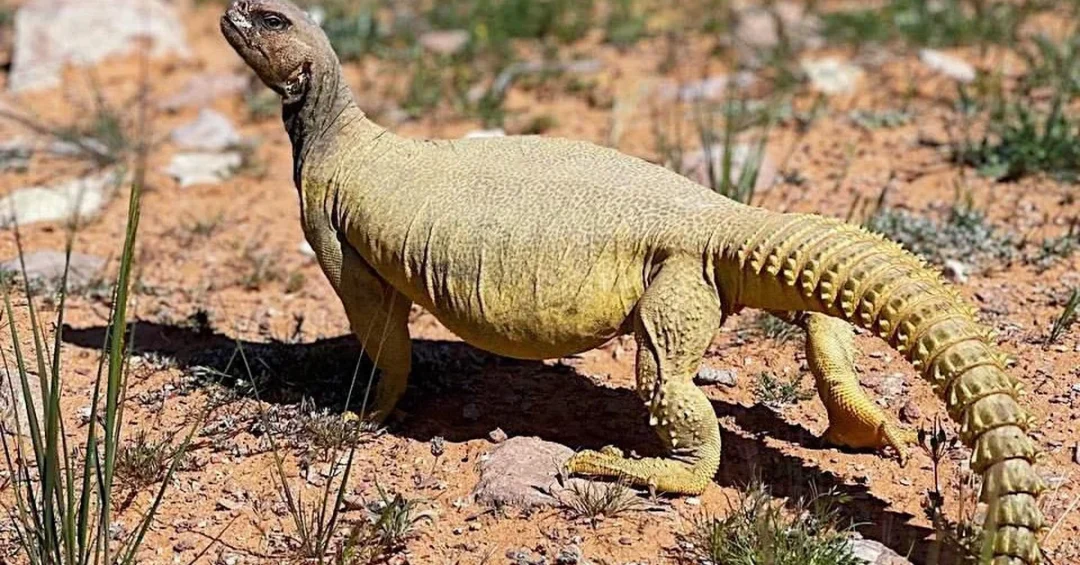
The spiny-tailed lizard (Uromastyx aegyptia), once threatened with extinction in Saudi Arabia, is now thriving thanks to the conservation efforts of the Imam Turki bin Abdullah Royal Reserve, according to the Saudi Press Agency (SPA). This remarkable comeback highlights the Kingdom’s growing commitment to wildlife preservation, a key pillar of Saudi Vision 2030. The reserve’s success in facilitating the reproduction of this culturally significant desert reptile underscores the effectiveness of royal nature reserves in restoring ecological balance and protecting endangered species.
Context and Background
The spiny-tailed lizard, known locally as the dabb, has long been a part of Saudi Arabia’s natural and cultural heritage. However, overhunting and prolonged drought pushed the species to the brink of extinction. In response, the Kingdom established several royal reserves, including the Imam Turki bin Abdullah Royal Reserve, which spans 91,500 square kilometres. These reserves are dedicated to habitat restoration, species protection, and ecological rehabilitation. The reserve’s efforts align with Vision 2030’s environmental goals, which aim to enhance quality of life and ensure sustainable development. Through rigorous protection measures, the reserve has created a safe haven for the spiny-tailed lizard, allowing its population to recover and reproduce successfully.
Key Details
The Imam Turki bin Abdullah Royal Reserve focuses on protecting rare and endangered species, restoring natural habitats, and preventing human activities from disrupting the natural balance. The spiny-tailed lizard, which can grow up to 85 cm in length, is well-adapted to desert life. It feeds primarily on annual plants and shrubs, rarely drinking water, and instead derives hydration from plant moisture. Its feeding habits—taking only small bites—actually promote vegetation growth. The lizard digs winding burrows, using its strong claws, with entrances often facing east or northeast to catch the morning sun. These behaviours illustrate the species’ unique adaptation to the harsh desert environment. The reserve’s successful breeding programme is a testament to Saudi Arabia’s broader environmental stewardship.
Implications and Impact
The resurgence of the spiny-tailed lizard has significant ecological and cultural implications. Ecologically, it signals improved ecosystem health in the reserve, as the lizard plays a role in vegetation management. Culturally, the lizard is featured in heritage books, stories, and folk proverbs, symbolising resilience and adaptation. The success of the reserve also demonstrates Saudi Arabia’s capability in biodiversity conservation, setting a precedent for other regions. Internationally, it reinforces the Kingdom’s position as a leader in environmental protection, aligning with global sustainability goals. This achievement could attract eco-tourists and researchers, further boosting the Kingdom’s profile in wildlife conservation.
Vision 2030 Alignment
This conservation success story directly supports Saudi Vision 2030, which prioritises environmental sustainability and the preservation of natural heritage. By protecting endangered species like the spiny-tailed lizard, the Kingdom is fulfilling its commitment to maintaining a balanced ecosystem for future generations. The efforts of the Imam Turki bin Abdullah Royal Reserve exemplify how Vision 2030 translates into tangible environmental outcomes, enhancing the quality of life and reinforcing Saudi Arabia’s role as a responsible global citizen. As the Kingdom continues to expand its conservation initiatives, such successes will contribute to a greener, more sustainable future.
20 Questions
Q1. What is the spiny-tailed lizard’s scientific name?
A1. The spiny-tailed lizard’s scientific name is Uromastyx aegyptia. It is a desert reptile native to Saudi Arabia and other parts of the Middle East, known for its distinctive spiny tail and ability to thrive in arid environments.
Q2. Why was the spiny-tailed lizard threatened with extinction?
A2. The spiny-tailed lizard was threatened by overhunting and prolonged drought, which reduced its population and habitat. These factors led to a decline in numbers, prompting conservation efforts to protect the species and its ecosystem.
Q3. Which reserve has been instrumental in the lizard’s recovery?
A3. The Imam Turki bin Abdullah Royal Reserve has been instrumental. Covering 91,500 square kilometres, it focuses on protecting endangered species, restoring habitats, and ensuring ecological balance, which has allowed the lizard to reproduce successfully.
Q4. How does the spiny-tailed lizard contribute to vegetation growth?
A4. The lizard feeds on annual plants and shrubs but takes only small bites, which promotes vegetation growth. This feeding behaviour helps maintain plant health and supports the desert ecosystem’s overall balance.
Q5. What is the cultural significance of the spiny-tailed lizard in Saudi Arabia?
A5. The spiny-tailed lizard, or dabb, is featured in Saudi heritage books, stories, and folk proverbs. It symbolises resilience and adaptation, reflecting the deep cultural ties between the Kingdom’s people and its natural environment.
Q6. How long can the spiny-tailed lizard grow?
A6. The spiny-tailed lizard can grow up to 85 centimetres in length. Its size and unique adaptations, such as heat tolerance, make it well-suited for the harsh desert conditions of Saudi Arabia.
Q7. What does the spiny-tailed lizard primarily eat?
A7. It primarily feeds on annual plants and shrubs. It rarely drinks water and instead derives hydration from the moisture within plant elements, allowing it to survive in arid environments with limited water sources.
Q8. How does the spiny-tailed lizard conserve water?
A8. The lizard conserves water by rarely drinking and obtaining moisture from plants. Its ability to withstand heat and thirst, along with its burrowing habits, helps it survive in the desert without frequent access to water.
Q9. What type of burrows does the spiny-tailed lizard dig?
A9. It digs winding burrows that can be as shallow as two metres or as deep as one and a half metres below ground. It uses its strong claws to dig, and the burrows provide shelter from extreme temperatures.
Q10. Why do the burrow entrances face east or northeast?
A10. The entrances face east or northeast so the lizard can enjoy the morning sun and warm itself up. This orientation helps regulate its body temperature, especially after cold desert nights.
Q11. How does the Imam Turki bin Abdullah Royal Reserve protect the lizard?
A11. The reserve protects the lizard by safeguarding its habitat, preventing human disruption, and restoring natural ecosystems. These measures ensure a stable environment for breeding and population recovery.
Q12. What other species does the reserve protect?
A12. The reserve protects various rare and endangered species, not just the spiny-tailed lizard. Its comprehensive approach includes habitat restoration and ecological rehabilitation to maintain biodiversity in the region.
Q13. How does the lizard’s recovery align with Vision 2030?
A13. The recovery aligns with Vision 2030’s environmental goals, which emphasise protecting the environment and maintaining a balanced ecosystem. This success demonstrates the Kingdom’s commitment to sustainability and quality of life.
Q14. What is the role of royal nature reserves in Saudi Arabia?
A14. Royal nature reserves play a crucial role in conserving wildlife, restoring habitats, and promoting ecological balance. They are key to Saudi Arabia’s environmental strategy and help preserve the Kingdom’s natural heritage.
Q15. How does the lizard adapt to harsh desert conditions?
A15. The lizard adapts through heat tolerance, water conservation, and burrowing. It derives moisture from plants, avoids direct heat by staying in burrows, and warms up in the morning sun.
Q16. What is the significance of the lizard’s comeback for biodiversity?
A16. The comeback signifies improved ecosystem health and successful conservation efforts. It shows that with proper protection, endangered species can recover, contributing to overall biodiversity and ecological stability.
Q17. Are there any threats remaining to the spiny-tailed lizard?
A17. While the population is recovering, threats such as habitat loss and climate change may persist. Continued conservation efforts and monitoring are essential to ensure the species’ long-term survival.
Q18. How can the public contribute to the lizard’s conservation?
A18. The public can support conservation by respecting protected areas, reporting illegal hunting, and promoting environmental awareness. Such actions complement the efforts of royal reserves and help safeguard the species.
Q19. What makes the spiny-tailed lizard unique among desert reptiles?
A19. Its spiny tail, herbivorous diet, and ability to conserve water make it unique. It also plays a cultural role and has specific burrowing behaviours that are adapted to desert life.
Q20. What does the lizard’s recovery say about Saudi Arabia’s conservation efforts?
A20. It demonstrates the effectiveness of Saudi Arabia’s conservation strategies and the Kingdom’s dedication to environmental protection. This success story reinforces Saudi Arabia’s leadership in wildlife preservation and sustainable development.
Reader Feedback
We value your thoughts. Please share your feedback on this article.
Your feedback helps us improve our coverage.