


Saudi Arabia’s logistics sector recorded the highest growth among ten promising sectors in the second quarter of 2024, with active commercial registrations reaching 11,928, a 76% increase compared to 6,742 registrations in the same period last year. The announcement was made by the Ministry of Commerce in its latest quarterly bulletin, underscoring the Kingdom’s rapid progress in economic diversification and its commitment to becoming a global logistics hub. The logistics sector’s exceptional performance reflects the broader success of Saudi Vision 2030 in fostering a dynamic, business-friendly environment.
Context and Background
The Ministry of Commerce’s bulletin highlights ten promising sectors that are pivotal to Saudi Arabia’s economic transformation. These sectors align with the goals of Saudi Vision 2030, which aims to reduce dependence on oil and create a diversified, sustainable economy. The logistics sector, in particular, is a cornerstone of the National Transport and Logistics Strategy, designed to position the Kingdom as a leading global logistics hub connecting three continents.
The significant growth in commercial registrations across these sectors demonstrates the private sector’s confidence in Saudi Arabia’s regulatory reforms and infrastructure investments. The logistics sector’s 76% growth is a clear indicator of the Kingdom’s success in creating an enabling environment for businesses to thrive and expand.
Key Details
According to the Ministry of Commerce bulletin, the sectors with the highest growth in active registrations during Q2 2024 were: logistics (76%), artificial intelligence technologies (53%), container handling services (48%), cloud computing services (43%), pharmaceutical and pharmaceutical product manufacturing (34%), urban and suburban passenger land transport (31%), electronic game manufacturing (29%), arts, entertainment, and recreation (24%), short-term accommodation (22%), and mining and quarrying (18%).
The logistics sector’s growth was geographically widespread, with the Riyadh region leading with 5,802 active registrations (49% of the total), followed by Makkah with 3,170 (27%), and the Eastern Region with 1,465 (12%). Qassim and Madinah accounted for 347 (3%) and 323 (2.70%) registrations, respectively. This distribution reflects balanced regional development and the attractiveness of logistics investments across the Kingdom.
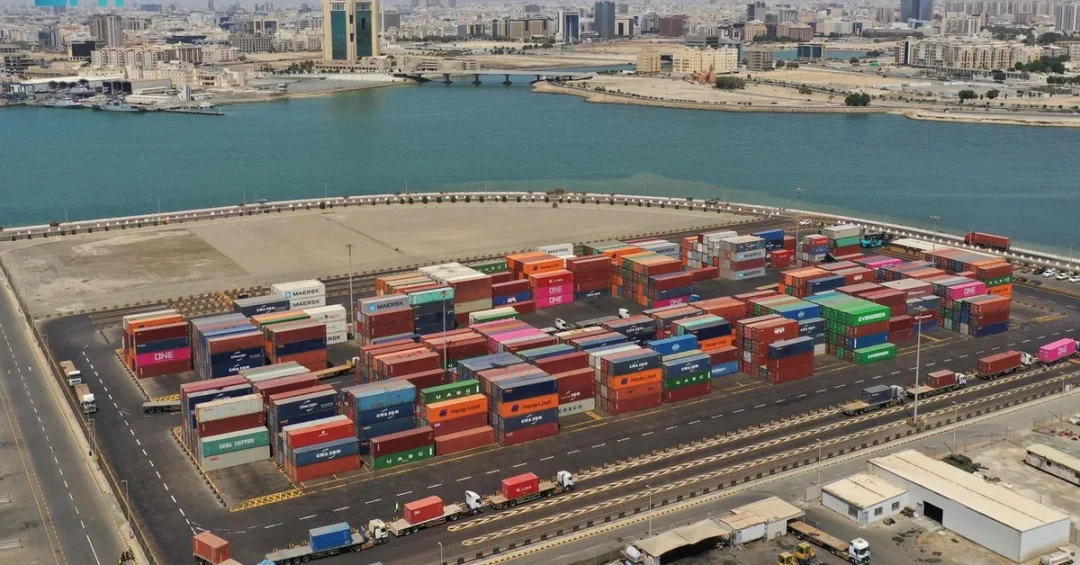
Container handling services, which ranked third with 48% growth, saw active registrations rise to 2,457 from 1,658 last year. Riyadh led this sub-sector with 1,027 registrations (42%), followed by Makkah with 738 (30%), the Eastern Region with 405 (16%), Madinah with 79 (3%), and Qassim with 59 (2%). This growth is attributed to increased operational efficiency in Saudi ports, supported by advanced technologies and streamlined processes.
Saudi Arabia has also made remarkable strides in global maritime connectivity. According to the United Nations Conference on Trade and Development (UNCTAD), the Kingdom ranked 16th globally among 187 countries in the maritime connectivity index, with a score of 77.66 points, surpassing its 2030 target of 75 points. The number of international shipping lines serving Saudi ports has increased to 25, further integrating the Kingdom into global trade networks.
In the urban and suburban passenger land transport sector, Saudi Arabia ranked sixth with 31% growth. The sector has benefited from market liberalization, improved customer experience, and the introduction of intercity bus services, providing modern, environmentally friendly transport options that enhance connectivity between regions.
Implications and Impact
The robust growth in logistics and related sectors has significant implications for Saudi Arabia’s economy and its global standing. The expansion of logistics infrastructure and services is enhancing the Kingdom’s competitiveness, attracting foreign investment, and creating jobs for Saudi citizens. The rise in active commercial registrations signals strong private sector engagement, which is essential for achieving the goals of Vision 2030.
Saudi Arabia’s improved performance in the World Bank’s Logistics Performance Index, where it climbed 17 places to rank 38th, underscores the effectiveness of the National Transport and Logistics Strategy. The establishment of 12 major logistics zones in Saudi ports further strengthens the sector’s capabilities and contributes to economic growth. These developments are positioning the Kingdom as a pivotal link in global supply chains, particularly between Asia, Europe, and Africa.
The growth in container handling and maritime connectivity also supports Saudi Arabia’s ambitions to become a global logistics hub. With increased shipping lines and enhanced port efficiency, the Kingdom is better equipped to handle growing trade volumes and serve as a gateway for international commerce. This is expected to boost non-oil exports and further diversify the economy.
Vision 2030 Alignment
The logistics sector’s stellar performance is a testament to the vision of Crown Prince Mohammed bin Salman and the comprehensive reforms under Saudi Vision 2030. By fostering a thriving logistics industry, the Kingdom is not only diversifying its economy but also creating a sustainable future for its citizens. The National Transport and Logistics Strategy, a key pillar of Vision 2030, aims to increase the sector’s contribution to GDP and enhance Saudi Arabia’s global competitiveness.
As the Kingdom continues to invest in infrastructure, technology, and human capital, the logistics sector is poised for further growth, driving economic prosperity and reinforcing Saudi Arabia’s role as a leader in global trade and logistics. The achievements in Q2 2024 are just the beginning of a transformative journey that will see Saudi Arabia emerge as a top global logistics hub by 2030.
20 Questions
Q1. What was the growth rate of Saudi Arabia’s logistics sector in Q2 2024?
A1. The logistics sector grew by 76% in Q2 2024, with active commercial registrations reaching 11,928 compared to 6,742 in the same period last year, according to the Ministry of Commerce bulletin.
Q2. Which sector had the highest growth among the ten promising sectors?
A2. The logistics sector had the highest growth at 76%, followed by artificial intelligence technologies at 53%, and container handling services at 48%, as reported by the Ministry of Commerce.
Q3. How many active commercial registrations were there in the logistics sector?
A3. There were 11,928 active commercial registrations in the logistics sector during Q2 2024, representing a 76% increase from the previous year’s 6,742 registrations.
Q4. Which region led in logistics registrations?
A4. The Riyadh region led with 5,802 active registrations, accounting for 49% of the total, followed by Makkah with 3,170 registrations (27%) and the Eastern Region with 1,465 (12%).
Q5. What is the significance of the ten promising sectors?
A5. The ten promising sectors align with Saudi Vision 2030, supporting GDP growth, offering business expansion opportunities, and enhancing economic diversification, as highlighted in the Ministry of Commerce bulletin.
Q6. How did container handling services perform?
A6. Container handling services ranked third with 48% growth, reaching 2,457 active registrations, up from 1,658 last year, due to increased operational efficiency in Saudi ports.
Q7. What is Saudi Arabia’s rank in global maritime connectivity?
A7. Saudi Arabia ranked 16th among 187 countries in UNCTAD’s maritime connectivity index, with a score of 77.66 points, surpassing its 2030 target of 75 points.
Q8. How many international shipping lines serve Saudi ports?
A8. The number of international shipping lines has increased to 25, strengthening the Kingdom’s ties to global markets and enhancing its role in international trade, according to official reports.
Q9. What reforms have been made in urban and suburban passenger land transport?
A9. Reforms include market liberalization, improved customer experience, and the introduction of intercity bus services, providing modern, environmentally friendly transportation options that align with Vision 2030.
Q10. How did Saudi Arabia rank in the World Bank’s Logistics Performance Index?
A10. Saudi Arabia climbed 17 places to rank 38th in the World Bank’s Logistics Performance Index, reflecting increased efficiency in logistics and supply chains.
Q11. How many major logistics zones have been established in Saudi ports?
A11. The number of major logistics zones in Saudi ports has expanded to 12, bolstering the sector’s capabilities and contributing to economic growth and diversification.
Q12. What is the National Transport and Logistics Strategy?
A12. The National Transport and Logistics Strategy is a key initiative under Vision 2030 aimed at positioning Saudi Arabia as a global logistics hub, improving infrastructure, and enhancing economic diversification.
Q13. Which sectors showed over 40% growth in Q2 2024?
A13. Logistics (76%), artificial intelligence technologies (53%), container handling services (48%), and cloud computing services (43%) were the sectors with over 40% growth.
Q14. How does the logistics sector support GDP?
A14. The logistics sector supports GDP by attracting investment, creating jobs, enhancing trade efficiency, and contributing to economic diversification, aligning with Vision 2030 goals.
Q15. What role does the Ministry of Commerce play in this growth?
A15. The Ministry of Commerce releases quarterly bulletins tracking promising sectors, implements regulatory reforms, and fosters a business-friendly environment to encourage investment and growth.
Q16. How many active registrations were in Makkah for logistics?
A16. Makkah had 3,170 active registrations in logistics, representing 27% of the total, second only to Riyadh, according to the Ministry of Commerce bulletin.
Q17. What is the target for maritime connectivity by 2030?
A17. Saudi Arabia’s target for maritime connectivity by 2030 is a score of 75 points; the Kingdom has already surpassed this with a score of 77.66 in 2024.
Q18. How does logistics growth impact foreign investment?
A18. Logistics growth signals a robust business environment, attracting foreign investment by demonstrating regulatory improvements, infrastructure development, and increased market opportunities.
Q19. What are the top three regions for container handling registrations?
A19. Riyadh led with 1,027 registrations (42%), followed by Makkah with 738 (30%) and the Eastern Region with 405 (16%), reflecting regional strength in port-related services.
Q20. How does this growth align with Saudi Vision 2030?
A20. The logistics growth supports Vision
Reader Feedback
We value your thoughts. Please share your feedback on this article.
Your feedback helps us improve our coverage.