


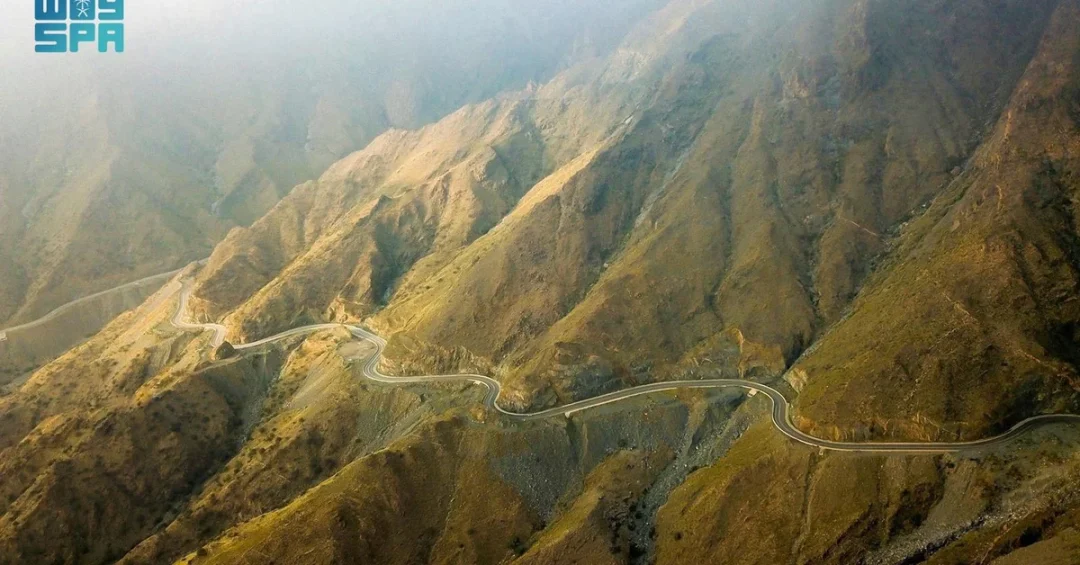
Taif, a city nestled in the majestic Sarawat Mountains, has become a premier destination for tourists seeking a unique blend of natural beauty, cool climate, and cultural heritage, thanks to the scenic passes of Al-Hada and Muhammadya Al-Shafa. According to the Saudi Press Agency (SPA), these mountain passes serve as vital arteries connecting the Tihamah and Sarawat regions, offering visitors an unforgettable experience of biodiversity, breathtaking landscapes, and ancient villages perched on mountain edges.
Context and Background
Located southwest of Saudi Arabia, Taif is renowned for its moderate summer climate and cool winters, a stark contrast to the intense heat of the surrounding regions. The city sits on Jabal Ghazwan, part of the Sarawat Mountains, at an altitude of approximately 2,560 meters above sea level, with average temperatures ranging between 15 and 20 degrees Celsius. This favorable climate has historically made Taif a summer retreat for residents of the Kingdom and a growing attraction for international tourists.
The passes of Al-Hada and Muhammadya Al-Shafa are not merely roads; they are gateways to a world of natural wonders. Paved and well-maintained, they provide easy access to diverse biodiversity, panoramic views of ancient stone villages, and the cascading valleys that descend towards the Tihamah region of Makkah. The flowing water between granite rocks creates captivating scenes, adding an artistic touch to the landscape, making the area a favorite among photographers, bloggers, and nature enthusiasts.
Key Details
The region’s appeal is multifaceted. Visitors can explore the winding roads of Akabat Al-Kar and Akabat Al-Muhammadya, which offer thrilling adventures such as mountain climbing, hiking, camping, and wildlife exploration. The area is rich in aromatic plants and juniper trees, providing shady spots for relaxation. Families and youth alike can enjoy the cool freshwater streams and the harmonious blend of greenery and rock formations that highlight the features of the Tihamah valleys.
Accommodation options abound, with numerous hotels, resorts, and residences designed to reflect Taif’s heritage. Notable establishments include the Golden White Hotel, Iklil Al-Jabal Resorts, Beit Al-Ward, Reef Jabal Dakka, and the famous Rose Farms of Taif. These facilities not only cater to tourists but also showcase the region’s fertile land and cultural authenticity, sending a message of hospitality to the world.
The strategic location of these passes has made them a development artery, facilitating the movement of citizens and residents, promoting trade, and boosting economic, agricultural, and urban development. The improved connectivity between the Sarawat and Tihamah regions has shortened distances and opened up new opportunities for growth.
Implications and Impact
The growth of tourism in Al-Hada and Muhammadya Al-Shafa has significant implications for Saudi Arabia’s economy and international standing. As part of the Kingdom’s efforts to diversify revenue sources and promote sustainable tourism, these destinations contribute to job creation, infrastructure development, and cultural exchange. The influx of visitors from around the world enhances Saudi Arabia’s image as a welcoming and modern nation, aligned with the goals of Vision 2030.
Moreover, the emphasis on preserving the natural environment and cultural heritage ensures that development is balanced and respectful of local traditions. The region’s success serves as a model for other areas in the Kingdom, demonstrating how tourism can be a catalyst for comprehensive development.
Vision 2030 Alignment
The development of Al-Hada and Muhammadya Al-Shafa is a clear embodiment of Saudi Vision 2030, which aims to transform the Kingdom into a global tourism hub. By leveraging its unique natural assets and cultural richness, Saudi Arabia is creating world-class destinations that attract millions of visitors, thereby supporting economic diversification and enhancing the quality of life for its citizens. As these mountain passes continue to welcome travelers, they stand as a testament to the Kingdom’s commitment to sustainable development and its proud heritage.
20 Questions
Q1. What regions do Al-Hada and Muhammadya Al-Shafa connect?
A1. Al-Hada and Muhammadya Al-Shafa are vital passes in the Sarawat Mountains that connect the Tihamah coastal region with the Sarawat highlands, facilitating travel and trade between these distinct geographical areas.
Q2. What is the altitude of Jabal Ghazwan where these passes are located?
A2. Jabal Ghazwan, part of the Sarawat Mountains, reaches an altitude of approximately 2,560 meters above sea level, providing a moderate climate that attracts visitors throughout the year.
Q3. What is the average temperature range in Taif during summer?
A3. The average temperature in Taif during summer ranges between 15 and 20 degrees Celsius, offering a cool and pleasant escape from the heat of other regions in Saudi Arabia.
Q4. What activities can tourists enjoy in Al-Hada and Al-Shafa?
A4. Tourists can engage in mountain climbing, hiking, camping, and exploring the region’s aromatic plants and wildlife, as well as relaxing under juniper trees and beside freshwater streams.
Q5. What are some notable accommodation options in the area?
A5. Notable accommodations include the Golden White Hotel, Iklil Al-Jabal Resorts, Beit Al-Ward, Reef Jabal Dakka, and the Rose Farms of Taif, all reflecting the region’s heritage and hospitality.
Q6. How have these passes contributed to development in Taif?
A6. They have facilitated movement, promoted trade, and stimulated economic, agricultural, and urban development by connecting the Sarawat and Tihamah regions, making Taif a key contributor to various sectors.
Q7. What is the significance of the ancient villages in the area?
A7. The ancient villages, with their stone buildings clinging to mountain edges, offer a glimpse into the region’s rich history and cultural heritage, attracting tourists interested in traditional architecture and lifestyle.
Q8. Why are these passes popular among photographers and bloggers?
A8. The stunning landscapes, including flowing water between granite rocks, panoramic views, and diverse biodiversity, provide captivating scenes that inspire photographers and bloggers to share the beauty of the region.
Q9. How does the climate of Taif differ from other parts of Saudi Arabia?
A9. Taif enjoys a moderate summer and cool winter due to its high altitude, contrasting with the hot and arid climate of most other Saudi regions, making it a preferred summer retreat.
Q10. What role do these passes play in Saudi Vision 2030?
A10. They contribute to Vision 2030 by boosting tourism, diversifying the economy, creating jobs, and showcasing Saudi Arabia’s natural and cultural attractions to the world, aligning with the goal of becoming a global tourism hub.
Q11. What types of flora and fauna can be found in the region?
A11. The area is home to aromatic plants, juniper trees, and various wildlife species, thriving in the cool climate and mountainous terrain, adding to the region’s biodiversity.
Q12. How accessible are Al-Hada and Muhammadya Al-Shafa for visitors?
A12. The passes are easily accessible via paved roads, such as Akabat Al-Kar and Akabat Al-Muhammadya, which are well-maintained and offer safe travel for tourists and locals alike.
Q13. What is the historical significance of these passes?
A13. Historically, they have served as trade and pilgrimage routes, connecting the coastal Tihamah with the highlands, and have long been cherished for their natural beauty and strategic location.
Q14. What makes Taif a unique tourist destination?
A14. Taif combines a cool climate, stunning mountain scenery, rich cultural heritage, and diverse recreational activities, making it a unique and attractive destination for both domestic and international tourists.
Q15. How do local establishments reflect Taif’s heritage?
A15. Hotels and resorts like Beit Al-Ward and Reef Jabal Dakka are designed with architectural styles and decor that echo Taif’s cultural traditions, providing an authentic experience for guests.
Q16. What economic benefits have these passes brought to the region?
A16. They have stimulated trade, tourism, and agricultural development, created job opportunities, and improved infrastructure, contributing to the overall economic growth of Taif and surrounding areas.
Q17. What is the significance of the Rose Farms of Taif?
A17. The Rose Farms are famous for producing aromatic rose water and oil, a cultural heritage product that attracts tourists and supports the local economy, especially during the rose harvest season.
Q18. How does the region support family tourism?
A18. With safe parks, gardens, and family-friendly resorts, as well as activities like hiking and camping, the region offers a welcoming environment for families to enjoy nature and relax together.
Q19. What measures are taken to preserve the natural environment?
A19. Authorities promote sustainable tourism practices, protect biodiversity, and maintain the cleanliness of natural sites to ensure that the environment remains pristine for future generations.
Q20. How can international tourists learn more about visiting Al-Hada and Al-Shafa?
A20. International tourists can visit the official Saudi tourism website or contact local travel agencies for information on tours, accommodations, and activities in Al-Hada and Al-Shafa.
Reader Feedback
We value your thoughts. Please share your feedback on this article.
Your feedback helps us improve our coverage.