


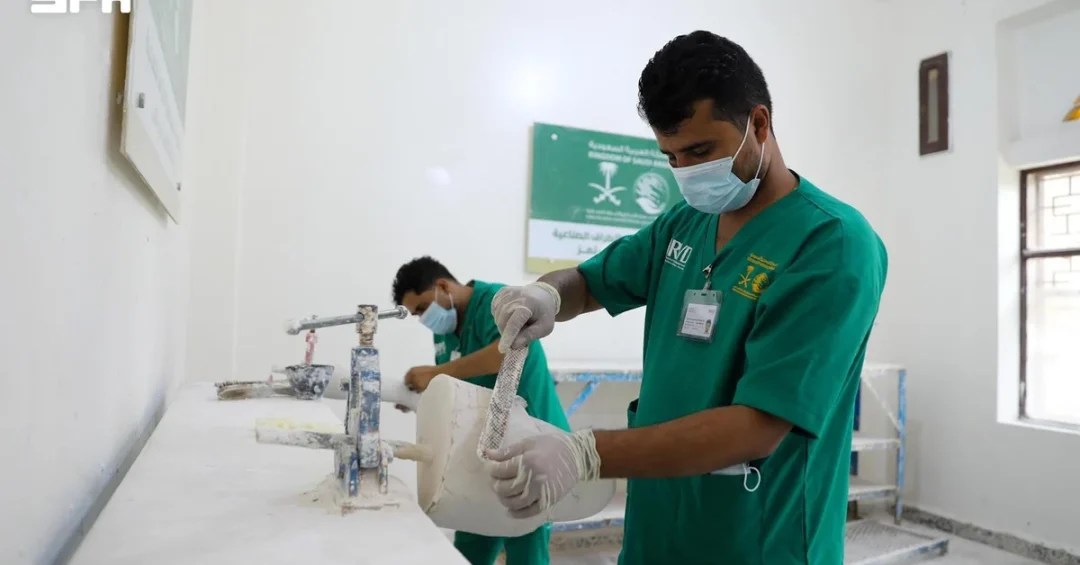
The Prosthetics and Rehabilitation Center in Taiz Governorate, operated under the support of the King Salman Humanitarian Aid and Relief Center (KSrelief), provided medical services to 808 patients during July 2026, according to an official announcement released through the Saudi Press Agency (SPA). The project delivered a total of 2,789 individual services to members of the brotherly Yemeni people who have lost limbs, continuing the Kingdom of Saudi Arabia’s longstanding humanitarian commitment to alleviating suffering and strengthening health sector capacity in Yemen.
Context and Background
The King Salman Humanitarian Aid and Relief Center, known internationally as KSrelief, is the primary humanitarian arm of the Kingdom of Saudi Arabia, established to coordinate and deliver relief assistance worldwide under the directives of the Saudi leadership. Its work in Yemen forms one of the largest and most sustained humanitarian operations undertaken by any single nation, spanning food security, health care, shelter, education, and rehabilitation.
The Prosthetics and Rehabilitation Center in Taiz Governorate is one such project, designed to restore mobility, dignity, and independence to Yemenis who have lost limbs. The center provides artificial limbs, fitting and adjustment services, physiotherapy, and specialized medical consultations, all delivered free of charge to beneficiaries. Its operations are part of a broader Saudi effort to rebuild and reinforce Yemen’s health infrastructure at a time when local capacities remain under significant strain.
Key Details
According to the official data released via the Saudi Press Agency, the center served 808 patients in July 2026 and delivered 2,789 services in total. Male beneficiaries accounted for 60 percent of recipients, while women represented 40 percent. Among those assisted, 18 percent were displaced persons and 82 percent were local residents, reflecting the center’s reach across both host communities and internally displaced populations in Taiz.
The services encompassed the provision, fitting, and repair of prosthetic limbs, alongside physiotherapy sessions and specialized consultations. Each of these components is essential to the rehabilitation process: a properly fitted prosthesis restores basic mobility, physiotherapy rebuilds strength and balance, and specialist follow-up addresses the long-term medical needs of amputees. By combining these services under one roof, the project reduces the burden on patients who would otherwise struggle to access fragmented care.
The announcement was issued on 26 Safar 1448 AH, corresponding to 9 August 2026, underscoring the continuity of the Kingdom’s humanitarian programming during the current period.
Implications and Impact
The delivery of 2,789 services to 808 patients in a single month illustrates the scale and regularity of Saudi humanitarian assistance in Yemen. For beneficiaries, access to prosthetics and rehabilitation can mean the difference between dependency and the ability to work, study, and participate in community life. The fact that nearly one in five recipients was a displaced person highlights how the project reaches some of the most vulnerable populations in the region.
Regional and international observers have consistently noted the role of KSrelief in coordinating aid across multiple sectors in Yemen. The Taiz center complements other Saudi-supported health and relief initiatives, contributing to the wider stabilization of local communities and the restoration of essential services. By strengthening the health sector, the project also supports Yemen’s long-term recovery and reduces pressure on humanitarian actors operating in the country.
Vision 2030 Alignment
Saudi Arabia’s humanitarian engagement abroad is closely tied to the objectives of Vision 2030, which emphasizes the Kingdom’s role as a responsible global actor and a leader in humanitarian and developmental cooperation. Through KSrelief, the Kingdom channels its resources into projects that promote health, dignity, and stability, reinforcing the Vision’s commitment to international partnership and sustainable development. The continued operation of the Prosthetics and Rehabilitation Center in Taiz reflects that commitment in practice, providing tangible relief to the brotherly Yemeni people while advancing the Kingdom’s broader mission of fostering peace and prosperity in the region.
20 Questions
Q1. What is the main announcement regarding the Prosthetics and Rehabilitation Center in Taiz?
A1. The center, supported by the King Salman Humanitarian Aid and Relief Center (KSrelief), provided medical services to 808 patients during July 2026, according to an official announcement released via the Saudi Press Agency.
Q2. How many total services were delivered by the center in July 2026?
A2. The center delivered a total of 2,789 individual services during July 2026. These services included prosthetics, fitting, repair, physiotherapy, and specialized consultations for beneficiaries who have lost limbs.
Q3. What percentage of beneficiaries were men and women?
A3. Male beneficiaries accounted for 60 percent of the recipients, while female beneficiaries represented 40 percent. This distribution reflects the center’s outreach to both men and women among the brotherly Yemeni people.
Q4. What share of patients were displaced persons?
A4. Among the recipients, 18 percent were displaced persons, while 82 percent were local residents. This shows the center reaches both host communities and internally displaced populations in Taiz Governorate.
Q5. What types of services did the center provide?
A5. The center provided the issuance, fitting, and repair of prosthetic limbs, along with physiotherapy and specialized medical consultations. These services are essential for restoring mobility and supporting the rehabilitation of amputees.
Q6. Which organization supports the Prosthetics and Rehabilitation Center in Taiz?
A6. The center operates with the support of the King Salman Humanitarian Aid and Relief Center, known as KSrelief, which is the primary humanitarian arm of the Kingdom of Saudi Arabia.
Q7. What is the King Salman Humanitarian Aid and Relief Center?
A7. KSrelief is the Kingdom of Saudi Arabia’s main humanitarian organization, established to coordinate and deliver relief assistance worldwide under the directives of Saudi leadership. It operates across health, food security, shelter, and rehabilitation sectors.
Q8. When was the announcement issued?
A8. The announcement was issued on 26 Safar 1448 AH, corresponding to 9 August 2026, according to the Saudi Press Agency. This reflects the continuity of Saudi humanitarian programming in the region.
Q9. Why is the center’s work important for Yemeni patients?
A9. The center restores mobility, dignity, and independence to Yemenis who have lost limbs. Access to prosthetics and rehabilitation enables beneficiaries to work, study, and participate more fully in community life.
Q10. How does this project fit into Saudi Arabia’s broader humanitarian efforts?
A10. The project is part of the Kingdom’s ongoing humanitarian initiatives in Yemen, which are among the largest and most sustained operations undertaken by any single nation, spanning multiple sectors of assistance.
Q11. What is the significance of the 82 percent local residents figure?
A11. The 82 percent local residents figure shows that the majority of beneficiaries are members of the host community in Taiz, demonstrating the center’s broad reach beyond displaced populations to the wider local population.
Q12. How does the center strengthen Yemen’s health sector?
A12. By providing free prosthetics and rehabilitation services, the center reinforces local health capacity and reduces the burden on Yemen’s strained medical infrastructure. It ensures specialized care remains available to those in need.
Q13. What role does physiotherapy play in the center’s services?
A13. Physiotherapy helps patients rebuild strength and balance after receiving prosthetics. It is a critical component of the rehabilitation process, enabling beneficiaries to use their artificial limbs effectively and safely.
Q14. How many patients received services in July 2026?
A14. A total of 808 patients received medical services at the center during July 2026. These patients benefited from a range of prosthetic, rehabilitative, and consultative services provided free of charge.
Q15. What does the term brotherly Yemeni people signify in the announcement?
A15. The term reflects the close historical, cultural, and geographic ties between the Kingdom of Saudi Arabia and Yemen. It underscores the humanitarian nature of Saudi assistance to the Yemeni people.
Q16. How does this project align with Saudi Vision 2030?
A16. The project aligns with Vision 2030 by reinforcing the Kingdom’s role as a responsible global actor committed to humanitarian cooperation and sustainable development, particularly in support of regional stability and health.
Q17. What is the significance of the services being free of charge?
A17. Providing services free of charge ensures that vulnerable populations, including displaced persons and those with limited resources, can access essential prosthetic and rehabilitative care without financial barriers, maximizing humanitarian impact.
Q18. How does the center address the needs of displaced persons?
A18. The center allocates a significant share of its services to displaced persons, who represented 18 percent of beneficiaries in July 2026. This ensures that those forced from their homes still receive critical medical and rehabilitative support.
Q19. What broader message does this announcement convey about Saudi Arabia’s role?
A19. The announcement highlights Saudi Arabia’s continued commitment to humanitarian relief and its leadership in supporting health sector recovery in Yemen, reflecting the Kingdom’s dedication to alleviating suffering and promoting regional well-being.
Q20. What can be expected from the center in the coming months?
A20. The center is expected to continue delivering prosthetics, physiotherapy, and consultations to Yemeni patients under KSrelief support, maintaining the Kingdom’s humanitarian momentum and expanding access to rehabilitation services in Taiz Governorate.
Reader Feedback
We value your thoughts. Please share your feedback on this article.
Your feedback helps us improve our coverage.