


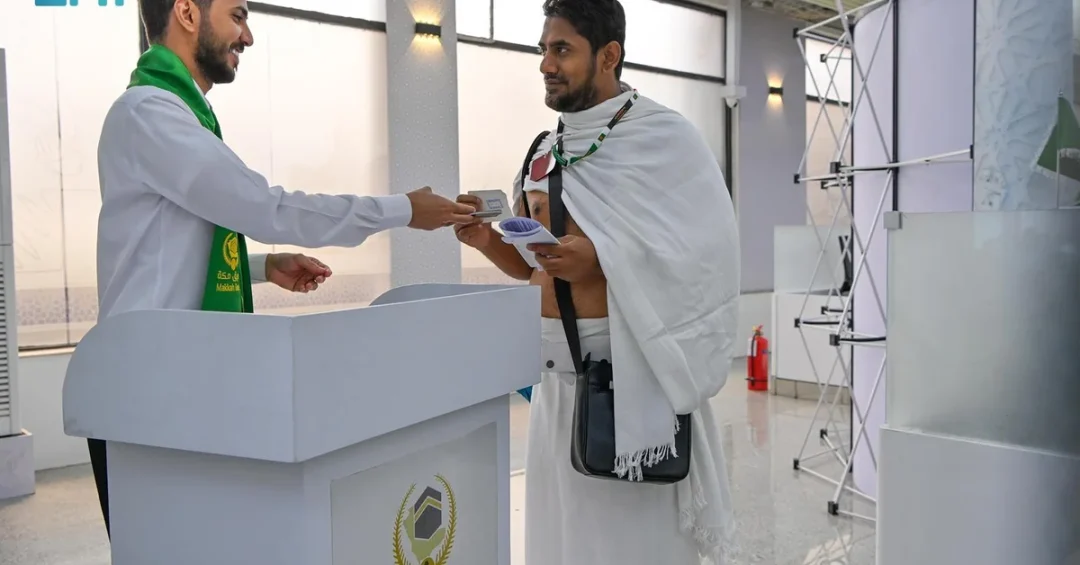
The Makkah Route Initiative has begun operations at Hazrat Shahjalal International Airport in Dhaka to serve pilgrims from the Republic of Bangladesh, facilitating their travel procedures for the 1445H Hajj season. The initiative, which was announced by the Saudi Ministry of Interior, aims to streamline the journey for pilgrims by providing advanced services at their departure airport, ensuring a smooth and dignified experience.
Context and Background
The Makkah Route Initiative is part of the Kingdom of Saudi Arabia’s broader efforts to enhance the services provided to pilgrims under the Kingdom’s Vision 2030. By leveraging advanced technologies, the initiative seeks to expedite travel procedures, particularly for the elderly and disabled, and to ensure that pilgrims can perform their rituals with ease and comfort. The initiative is a testament to the Kingdom’s commitment to serving Islam’s holy sites and its guests, reflecting the leadership’s dedication to providing the highest standards of care.
Key Details
The initiative’s lounge at the Dhaka airport is fully equipped to handle all necessary procedures, including the electronic issuance of Hajj visas, biometric collection, and the completion of entry formalities. The General Directorate of Passports oversees the entry procedures, ensuring that all health requirements are verified before departure. Additionally, the initiative provides baggage coding and sorting services, allowing pilgrims to have their luggage delivered directly to their accommodations in Makkah and Madinah. Upon arrival, pilgrims are transferred directly to buses that take them to their designated residences along specific routes, bypassing the usual congestion and delays.
For Bangladeshi pilgrims, this initiative marks a significant improvement in the Hajj experience. In previous years, pilgrims often faced lengthy procedures and uncertainty, but now they can complete most formalities in their home country. This service is particularly beneficial for the elderly and those with disabilities, who would otherwise face additional challenges during the journey.
Implications and Impact
The launch of the Makkah Route Initiative in Bangladesh is expected to have a positive impact on the thousands of pilgrims who travel to the Kingdom each year. It not only simplifies the process but also enhances the overall experience, allowing pilgrims to focus on the spiritual aspects of their journey. Furthermore, the initiative serves as a model for international cooperation, showcasing Saudi Arabia’s willingness to invest in services that benefit the global Muslim community.
The initiative also has broader diplomatic and economic implications. By providing such services, the Kingdom strengthens its ties with Bangladesh and other beneficiary countries, reinforcing its position as a leader in the Islamic world. The use of advanced technologies aligns with the Kingdom’s goals of digital transformation and innovation, as outlined in Vision 2030.
Vision 2030 Alignment
The Makkah Route Initiative is a prime example of the Kingdom’s commitment to Vision 2030, which seeks to enhance the quality of life for all citizens and residents, including pilgrims. By streamlining the Hajj experience, the Kingdom is not only fulfilling its religious duty but also demonstrating its capacity to manage large-scale logistical challenges efficiently. As the initiative expands to more countries, it will continue to play a crucial role in achieving the Vision’s goals of becoming a global hub for Islamic culture and heritage, and a pioneer in digital innovation.
20 Questions
Q1. What is the Makkah Route Initiative?
A1. The Makkah Route Initiative is a Saudi government program that simplifies Hajj procedures for pilgrims from beneficiary countries by completing readiness and entry formalities at their home airport.
Q2. Where is the initiative operating in Bangladesh?
A2. The initiative operates at the Hazrat Shahjalal International Airport in Dhaka, where a dedicated lounge has been established to serve Bangladeshi pilgrims.
Q3. What services are provided by the initiative?
A3. Services include electronic visa issuance, biometric collection, baggage coding and sorting, and direct transfer to accommodations in Makkah and Madinah.
Q4. Who benefits from this service?
A4. All pilgrims from Bangladesh benefit, with special assistance provided for the elderly and people with disabilities to ensure their comfort.
Q5. How does the initiative facilitate travel procedures?
A5. By using advanced technologies, the initiative expedites the process, allowing pilgrims to complete most formalities in their own country before departure.
Q6. What is the role of the General Directorate of Passports?
A6. The General Directorate of Passports handles entry procedures into the Kingdom, verifying health requirements and other regulations at the departure airport.
Q7. How does the initiative ensure that health requirements are met?
A7. The initiative verifies that all health requirements are fulfilled before pilgrims leave their country, ensuring compliance with Saudi regulations.
Q8. How are bags handled under this initiative?
A8. Baggage is coded and sorted at the departure airport, then delivered directly to the pilgrim’s accommodation in the Kingdom by partner agencies.
Q9. How are pilgrims transferred upon arrival?
A9. Pilgrims are transferred directly to buses that take them to their residences in Makkah and Madinah, avoiding unnecessary delays.
Q10. Why is this initiative important for Bangladesh?
A10. It significantly improves the Hajj experience for Bangladeshi pilgrims, making the process smoother and less stressful.
Q11. How did previous Hajj journeys differ?
A11. Previously, pilgrims had to complete many procedures upon arrival in Saudi Arabia, causing congestion and delays; now most formalities are done at departure.
Q12. Is this initiative available in other countries?
A12. Yes, the initiative is being implemented in several countries as part of a phased rollout, with Bangladesh being one of the latest.
Q13. What technology is used in the initiative?
A13. Advanced technologies include electronic visa issuance, biometric collection, and automated baggage systems to speed up processing.
Q14. How long does the process take at the airport?
A14. The process is expedited to take place quickly, though specific times vary; the initiative aims to minimize waiting and streamline procedures.
Q15. What is the significance of the initiative for elderly and disabled pilgrims?
A15. It provides priority and assistance, ensuring that they do not face additional hardship during the journey.
Q16. How does the initiative align with Vision 2030?
A16. It supports Vision 2030 by enhancing the quality of services for pilgrims, promoting digital innovation, and strengthening the Kingdom’s global standing.
Q17. What is the role of partner agencies in the initiative?
A17. Partner agencies handle logistics such as luggage delivery and transportation, ensuring a seamless experience from arrival to accommodation.
Q18. How are health requirements verified?
A18. Health requirements are verified during the process, ensuring that pilgrims meet all necessary conditions before traveling.
Q19. What does the initiative aim to achieve for pilgrims?
A19. The initiative aims to provide high-quality services, making the Hajj journey easier, more comfortable, and spiritually fulfilling.
Q20. When will the initiative be fully implemented?
A20. The initiative is already operational, and its expansion to more countries is expected in the coming years, as announced by Saudi authorities.
Reader Feedback
We value your thoughts. Please share your feedback on this article.
Your feedback helps us improve our coverage.