


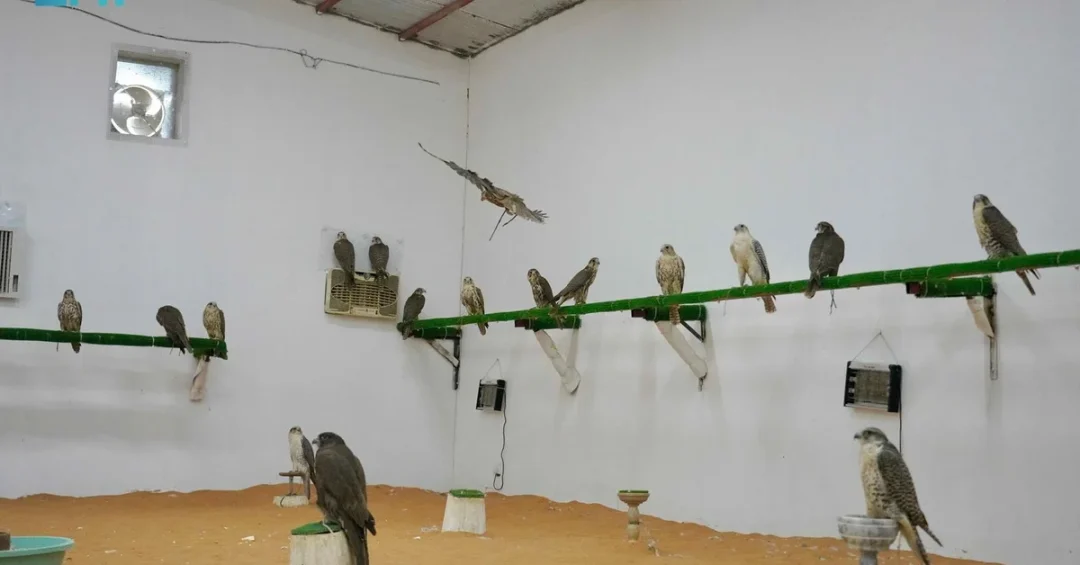
Falconers across Saudi Arabia are entrusting their prized birds to specialized caretakers during the off-season period known as “miqyad”, ensuring the falcons receive expert care ahead of the next hunting season. This tradition, highlighted by the Saudi Press Agency (SPA), underscores the Kingdom’s deep-rooted cultural heritage and its commitment to preserving the noble art of falconry.
Context and Background
Falconry has been an integral part of Arabian culture for centuries, symbolizing patience, skill, and the bond between humans and nature. In Saudi Arabia, this practice is not merely a pastime but a cherished legacy that is being actively preserved and promoted. The miqyad period, lasting from March to October, coincides with the natural molting cycle of falcons, during which they shed old feathers and grow new ones. This critical phase requires specialized care to ensure the birds remain healthy and strong for the upcoming season.
Key Details
The Saudi Press Agency recently visited a falcon care center in Rafha, a city in the Northern Borders Region, to witness the meticulous care provided during miqyad. The center’s owner, Falah Al-Shammari, a falcon enthusiast with over two decades of experience, explained the importance of creating an optimal environment for the birds. The rooms are maintained at a comfortable temperature between 22 and 30 degrees Celsius, with sand-covered floors and natural sunlight streaming in. Blue lights and controlled ventilation systems further enhance the setting, allowing the falcons to stretch their wings and exhibit natural behaviors.
Al-Shammari emphasized the critical role of caretakers in monitoring the falcons’ feeding habits, food quality, and overall health. His dedication exemplifies the deep bond between falconers and their birds, extending beyond the hunting season to encompass thorough care and preservation of these majestic creatures.
Implications and Impact
The care and preservation of falcons in Saudi Arabia reflect the Kingdom’s broader commitment to cultural heritage and environmental stewardship. By investing in specialized facilities and expertise, Saudi Arabia not only maintains its traditional practices but also positions itself as a global leader in falcon conservation. This dedication has international resonance, as falconry is recognized by UNESCO as an Intangible Cultural Heritage of Humanity, with Saudi Arabia playing a significant role in its safeguarding.
Vision 2030 Alignment
This initiative aligns with Saudi Arabia’s Vision 2030, which emphasizes the preservation of cultural heritage and the promotion of sustainable tourism. By showcasing the Kingdom’s rich traditions and modern care practices, the falcon care centers contribute to a vibrant society and a thriving economy, attracting visitors and enthusiasts from around the world. As Saudi Arabia continues to modernize, it remains rooted in its heritage, ensuring that the art of falconry flourishes for generations to come.
20 Questions
Q1. What is the miqyad period in falconry?
A1. The miqyad is the off-season period for falcons in Saudi Arabia, lasting from March to October, during which the birds undergo molting and receive specialized care to prepare for the next hunting season.
Q2. Why is the miqyad essential for falcons?
A2. The miqyad is essential because it allows falcons to molt naturally, shedding old feathers and growing new ones. This process requires a controlled environment and proper nutrition to ensure the birds remain healthy and strong.
Q3. Where is the falcon care center visited by SPA located?
A3. The falcon care center is located in Rafha, a city in the Northern Borders Region of Saudi Arabia.
Q4. Who is Falah Al-Shammari?
A4. Falah Al-Shammari is the owner of the falcon care center in Rafha and a falcon enthusiast with over 20 years of experience in falconry and bird care.
Q5. What temperatures are maintained in the falcon care rooms?
A5. The rooms are maintained at a comfortable temperature between 22 and 30 degrees Celsius to ensure the falcons’ comfort and health.
Q6. What type of flooring is used in the care rooms?
A6. The floors are covered in sand, which mimics the natural desert habitat of falcons and allows them to exhibit natural behaviors.
Q7. How does natural sunlight benefit falcons during miqyad?
A7. Natural sunlight provides essential vitamin D and helps regulate the falcons’ biological rhythms, contributing to their overall well-being during the molting process.
Q8. What role do blue lights play in the care center?
A8. Blue lights are used to enhance the environment, potentially helping to calm the birds and simulate a natural atmosphere that reduces stress.
Q9. Why is controlled ventilation important in falcon care?
A9. Controlled ventilation maintains optimal air quality and temperature, preventing respiratory issues and ensuring a comfortable environment for the falcons.
Q10. What does the caretaker monitor in terms of feeding?
A10. The caretaker monitors the falcons’ feeding habits, the quality of the food, and their overall health, ensuring they receive proper nutrition during the off-season.
Q11. How long do falcons stay in the care center?
A11. Falcons may stay in the care center for up to seven months during the miqyad period, which lasts from March to October.
Q12. What is the significance of falconry in Saudi Arabian culture?
A12. Falconry is a centuries-old tradition in Saudi Arabia, symbolizing patience, skill, and the bond between humans and nature, and is a source of national pride.
Q13. How does Saudi Arabia preserve its falconry heritage?
A13. Saudi Arabia preserves falconry heritage through specialized care centers, cultural events, and by participating in UNESCO’s recognition of falconry as Intangible Cultural Heritage.
Q14. What is the molting process in falcons?
A14. Molting is the process by which falcons shed old feathers and grow new ones, which occurs annually and requires proper nutrition and care to ensure healthy feather regrowth.
Q15. How does the miqyad contribute to the falcons’ hunting ability?
A15. The miqyad ensures falcons are in peak physical condition, with healthy feathers and strength, thereby enhancing their hunting ability for the upcoming season.
Q16. What is the role of the Saudi Press Agency in this story?
A16. The Saudi Press Agency reported on the falcon care center in Rafha, highlighting the Kingdom’s dedication to falconry and the careful attention given to the birds during the off-season.
Q17. How does this practice align with Vision 2030?
A17. This practice aligns with Vision 2030 by preserving cultural heritage, promoting sustainable tourism, and enhancing the quality of life, thus contributing to a vibrant society and diversified economy.
Q18. What are the benefits of sand floors for falcons?
A18. Sand floors allow falcons to exhibit natural behaviors like dust bathing, which helps maintain feather health and removes parasites, and provides a comfortable surface for perching.
Q19. How do falconers entrust their birds to caretakers?
A19. Falconers bring their birds to specialized care centers, where trained professionals like Falah Al-Shammari take over the responsibility of feeding, monitoring health, and providing a suitable environment until the next season.
Q20. What is the future outlook for falconry in Saudi Arabia?
A20. The future of falconry in Saudi Arabia is promising, with increasing investment in care facilities, rising interest among younger generations, and growing international recognition, ensuring its continuity.
Reader Feedback
We value your thoughts. Please share your feedback on this article.
Your feedback helps us improve our coverage.